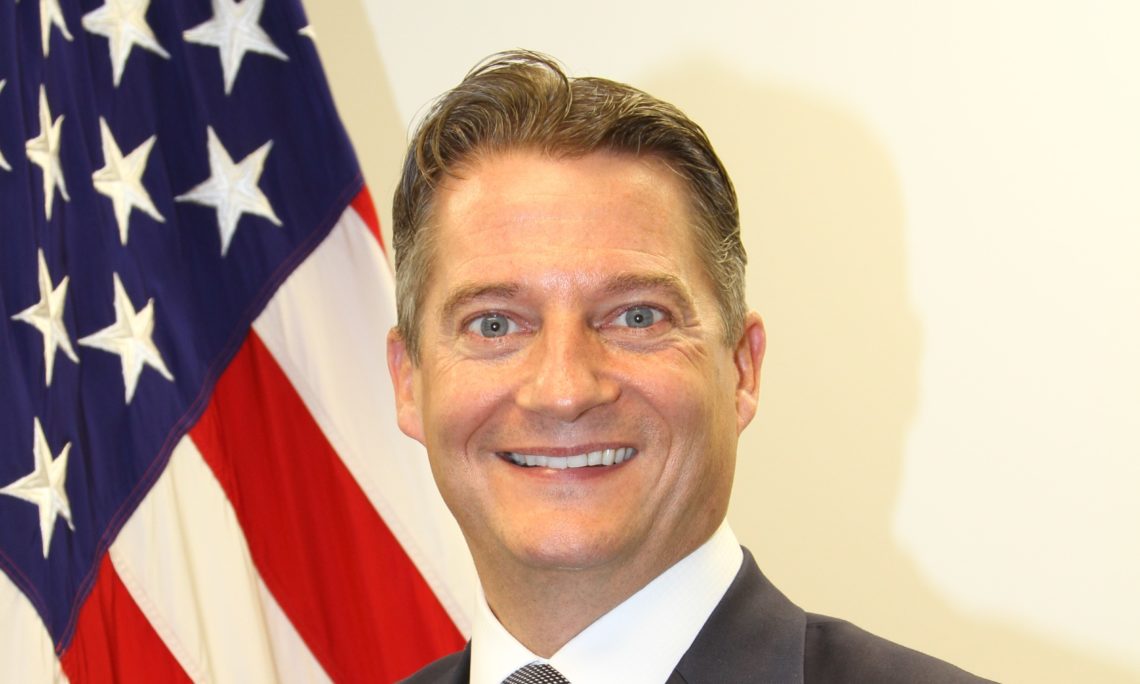
In his op-ed made on the occasion of Religious Freedom Day, Mr. Kevin Covert, Charge d'Affaires of the U.S. Embassy to Tajikistan has shared some reflections on the idea of religious freedom.
“The United States stands together with our international partners in defense of religious freedom, so that people may freely practice, or refrain from practicing, a faith, belief or religion – free from persecution or fear.
“Tajikistan is a country in transition, moving away from a recent past as part of the Soviet Union, a country whose respect for freedom of conscience was lacking in many important areas and which enforced state atheism as the official belief structure of the country and sought to constrain those who believed or thought differently. While Tajikistan has made great strides in moving toward more freedom of religion, recent trends worry those who work toward religious freedom for all.
“Some of those developments include government efforts to prevent peaceful religious groups from existing legally in Tajikistan, preventing peaceful individuals from wearing clothing that reflect personal religious commitments, and prohibiting those under the age of 18 from taking part in public religious services. We are also troubled by religious extremists who impel others to conform to their notions of religious belief.
“The United States believes that the protection of religious freedoms leads to a more stable society. For this reason, we will continue to work with all of our partners in Tajikistan and globally to strengthen protections for the peaceful belief and worship of all people of good will. We hope our efforts and the efforts of those similarly committed will help increase freedom for individuals throughout Tajikistan and around the world.”
Kevin Covert, a career Foreign Service Officer, began his assignment as DCM in Dushanbe, Tajikistan in August 2017. Previously, he was Deputy Economic Counselor at the U.S. Embassy in Seoul and Director for Russia on the National Security Council Staff. Mr. Covert also served in Moscow and Astana. Prior to joining the Department of State, he managed U.S. foreign assistance projects for more than a decade to help countries of the former Soviet Union transition from central planning to a market economy.
Freedom of religion is a principle that supports the freedom of an individual or community, in public or private, to manifest religion or belief in teaching, practice, worship, and observance. It also includes the freedom to change one's religion or belief. Freedom of religion is considered by many people and most of the nations to be a fundamental human right.
National Religious Freedom Day commemorates the Virginia General Assembly's adoption of Thomas Jefferson's landmark Virginia Statute for Religious Freedom on January 16, 1786. That statute became the basis for the establishment clause of the First Amendment of the U.S. Constitution and led to freedom of religion for all Americans. Religious Freedom Day is officially proclaimed on January 16 each year by an annual statement by the President of the United States.