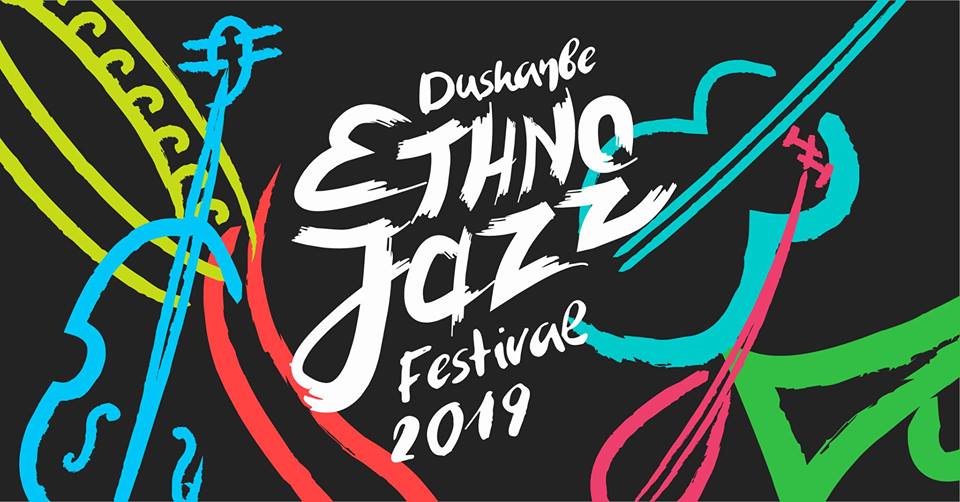
The Dushanbe Ethno-Jazz Festival, which traditionally offers a rare opportunity for an intense intercultural dialogue between Tajikistan and other countries, is kicking off tomorrow.
As a continuation of this tradition, the festival welcomes guests from Switzerland, Germany, Austria, the Netherlands, France, Kazakhstan, Kyrgyzstan and Uzbekistan.
Tajikistan will be represented at the festival by Avesto, Silk Road and Navoi Ajam music groups.
Avesto, which has the status of one of the best music groups in Central Asia playing jazz fusion, will open the event
On April 27, Tajik quintet Silk Road will open the event.
Initiated and funded mainly by Switzerland, the Ethno-Jazz Festival has become an established and anticipated music event for Tajik jazz fans since 2009.
Ethno Jazz, also known as World Jazz, is a subgenre of jazz and world music, developed internationally in the 1950s and '60s and broadly characterized by a combination of traditional jazz and non-Western musical elements. Though occasionally equaled to or considered the successor of world music, an independent meaning of ethno jazz emerged around 1990 through the commercial success of ethnic music via globalization, which especially observed a Western focus on Asian musical interpretations. The origin of ethno jazz has widely been credited to John Coltrane.
Notable examples of ethno jazz include the emergence of jazz through New Orleanian and Cuban exchange, Afro-Cuban jazz of the 1940s and '50s, and the Arabic influence present in some American jazz from the 1950s and '60s.
Ethno Jazz was possible thanks to a phenomenon called “globalization,” which began in the 19th century with the end of the Industrial Revolution. This brought technological development that helped connect cultures in faster and more efficient ways. Jazz benefited from this by being able to travel around the globe as recordings and performances.