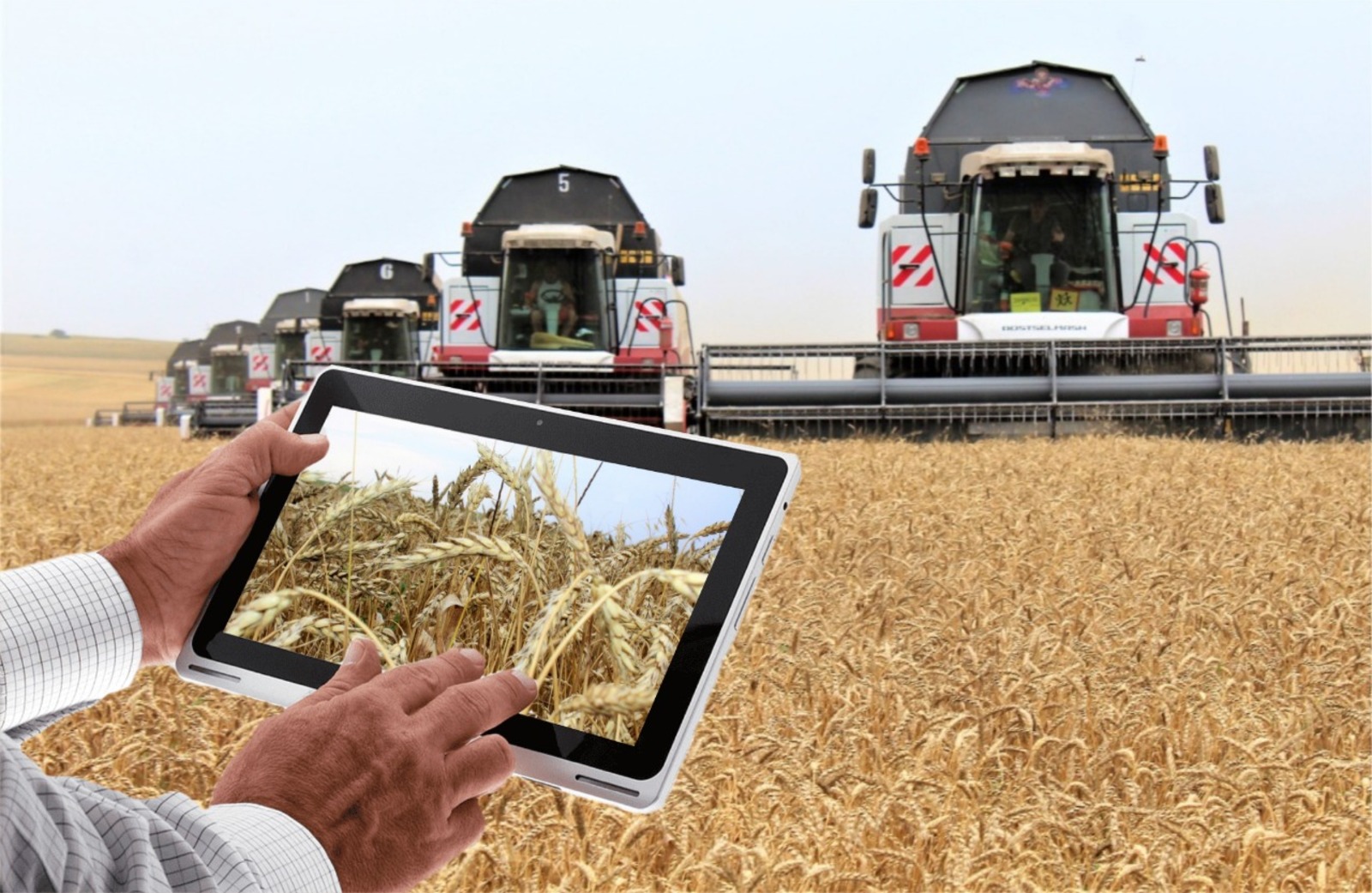
Thanks to the use of digital technologies in agriculture, almost landless Israel feeds half the world, and fertile Tajikistan receives small income from land use. Today, only 2% of agricultural producers use digital technologies.
Meanwhile, agriculture in Tajikistan is the most important sector of the economy, which provides production of about 23% of GDP, more than 70% of jobs, 25% of exports and 35% of tax revenues to the budget. These figures may become higher with the introduction of digital technologies.
Funding is important, but knowledge is more important
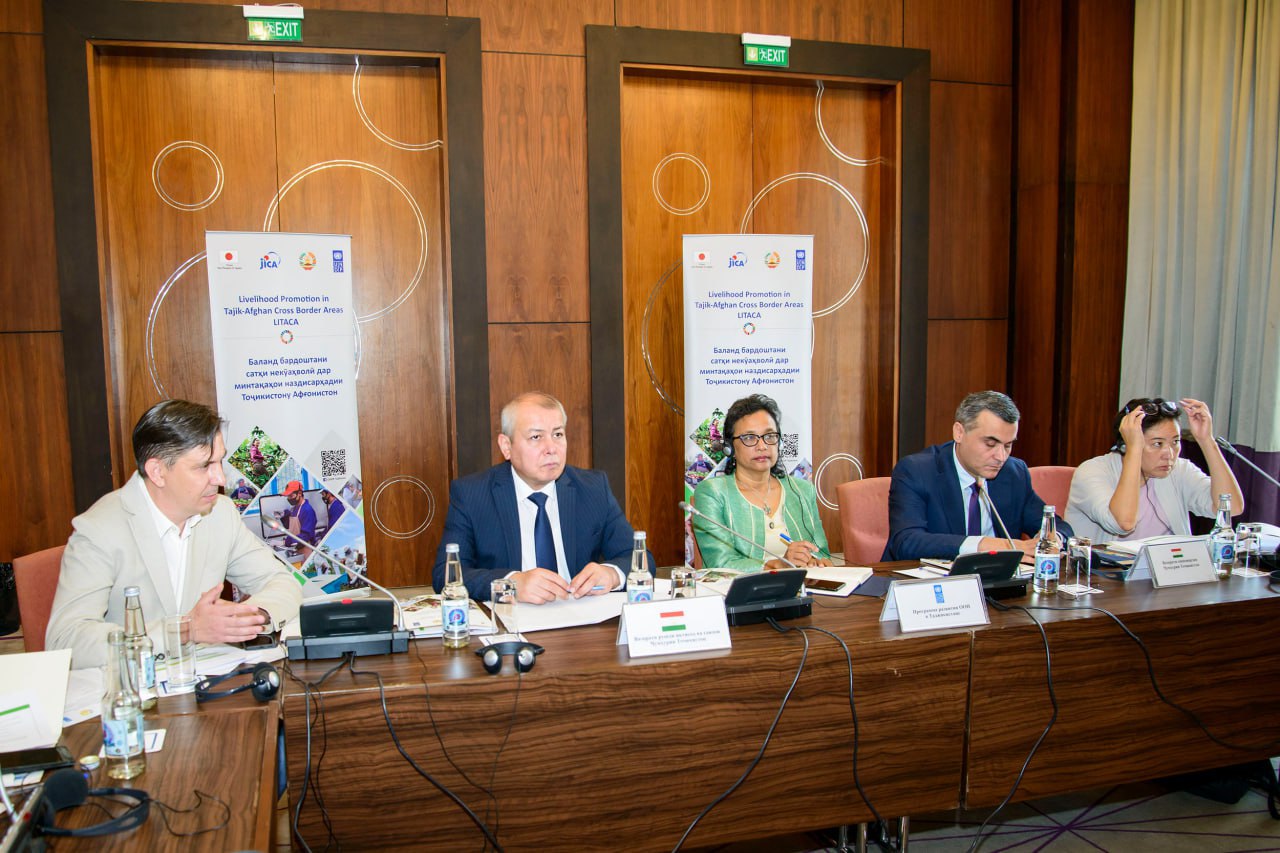
On August 28, a presentation of the preliminary results of the “Feasibility study of digital farming opportunities in Khatlon region of Tajikistan” was held in Dushanbe.
According to Bakhtiyor Ergashev, consultant of the United Nations Development Program (UNDP), the sociological study gave a real picture of how the project on digitalization of agriculture in Tajikistan is being implemented.
Three target groups were interviewed – agricultural producers (farmers), businesses (enterprises representing technical solutions) and support organizations (government agencies, international organizations, various NGOs).
The study showed that the points of view on the digitalization of the agricultural sector vary, and in some categories – very much.
For example, officials and international experts believe that the main factor hindering the introduction of digital technologies in Tajikistan is a low level of knowledge and a shortage of specialists in the field of digital agriculture.
To solve the problems, they propose to expand the financing of startups and investments in digital technologies.
Business puts the high cost of implementing and maintaining digital technologies in the first place.
And farmers, a key link in the production of crops – do not put finance first, it is more important for them to provide the most complete information about digital technologies and training in their application.
No Internet, no digital technology
The first section of the survey was to identify the state of the infrastructure and technical equipment of agricultural enterprises.
For the introduction of modern digital technologies into the current activities of agricultural enterprises, the necessary infrastructure shell (power supply, communications, Internet, etc.) is required, which ensures their application and uninterrupted operation.
In this part, all three groups of respondents – farmers, representatives of business and organizational support – showed solidarity in assessing the state of infrastructure in the area of activity of agricultural enterprises.
They put the availability and quality of mobile communications and the Internet in the first place (66.7% of respondents).
According to the results of the survey, it became known that there is no wired Internet in rural areas (71%), mobile communications are unstable (40%), there are no training and support centers for digital agriculture technologies (40%), instability and uninterrupted power supply were noted by 26.7% of the survey participants.
Next, the level of mechanization and automation of technological process operations at agricultural enterprises was assessed, which is important for promoting digital agriculture practices.
82% of respondents noted a high degree of wear and tear of equipment here, 98% of agricultural producers said that their existing equipment is not connected with digital technologies, 61% of farmers do not use computers and smartphones in their activities at all.
What prevents the digitalization of agriculture?
The survey also revealed the nature of the factors influencing the activities of agricultural enterprises.
According to representatives of government agencies and international experts, the following factors have a negative impact on the introduction of new digital technologies:
– lack of knowledge for agricultural activities (73.3%);
– underdeveloped infrastructure and weak material and technical base (53.3%);
– lack of access to finance (46.6%);
– problems with access to water sources and irrigation systems (40%);
– climatic conditions (33.3%);
– lack of offers of modern digital tools and systems (26.7%);
– limited access to high-quality seeds and agrochemical products (20%) and others.

Business representatives consider the high cost of technology, lack of necessary infrastructure and imperfection of laws as the main barriers hindering the introduction of digital technologies into the agricultural sector of Tajikistan.
For the development of digitalization, according to representatives of both groups (organizational support and entrepreneurs), it is important to expand incentives to support startups and investments in digital technologies. 86.7% of the respondents expressed this opinion.

They also noted the need to strengthen cybersecurity and data protection (60%), the adoption of training and advanced training programs in the field of digital technologies (53.3%), reducing regulatory impact on certain types of digital technologies (46.7%), simplification of certification procedures and the introduction of new digital technologies (40%).
And farmers consider the lack of information about new digital technologies to be the main barriers. In addition, they expressed a desire to study the use of digital technologies, to receive the necessary financial assistance and technical support in this direction.
The survey was conducted within the framework of the project “Project for Livelihood Improvement in Tajik-Afghan Cross-Border Areas” (LITACA, Phase III), implemented by UNDP in Tajikistan with financial support from the Government of Japan through the Japan International Cooperation Agency (JICA).




