
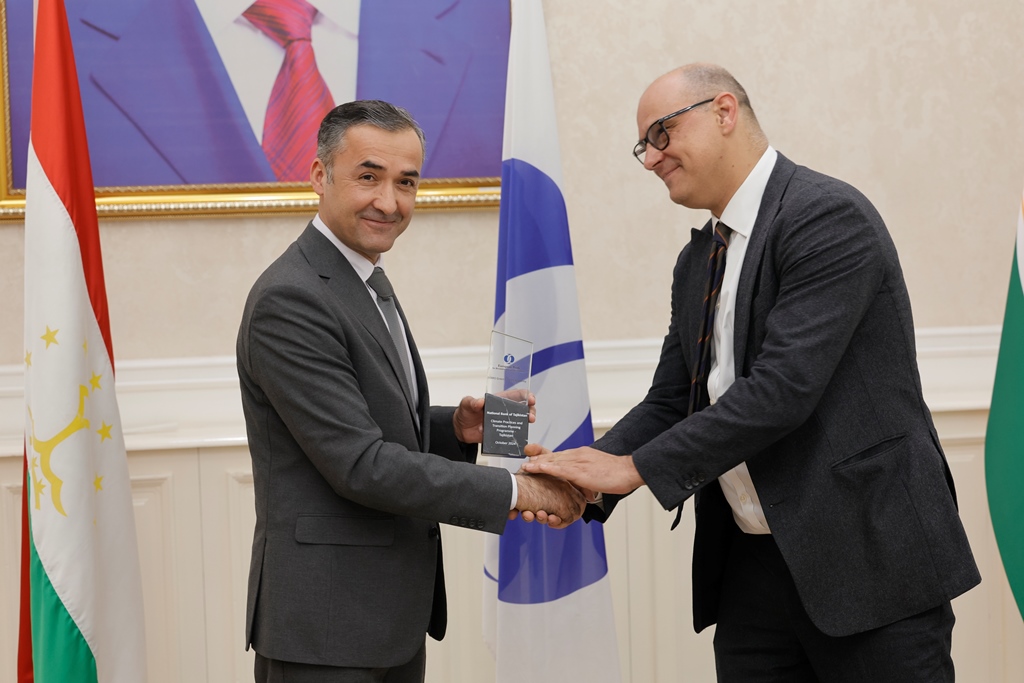
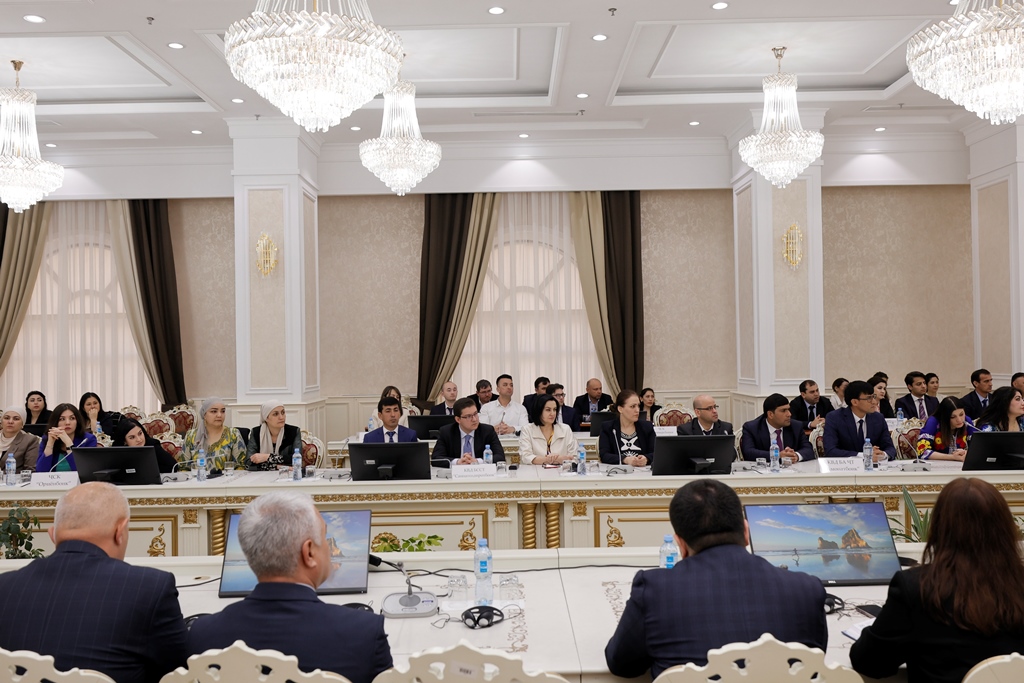
On April 2, an event was held at the National Bank of Tajikistan (NBT) to mark the successful completion of the Climate Transition Planning Program. This initiative, jointly organized by the European Bank for Reconstruction and Development (EBRD) and NBT, played a key role in implementing sustainable finance principles in Tajikistan's banking sector.
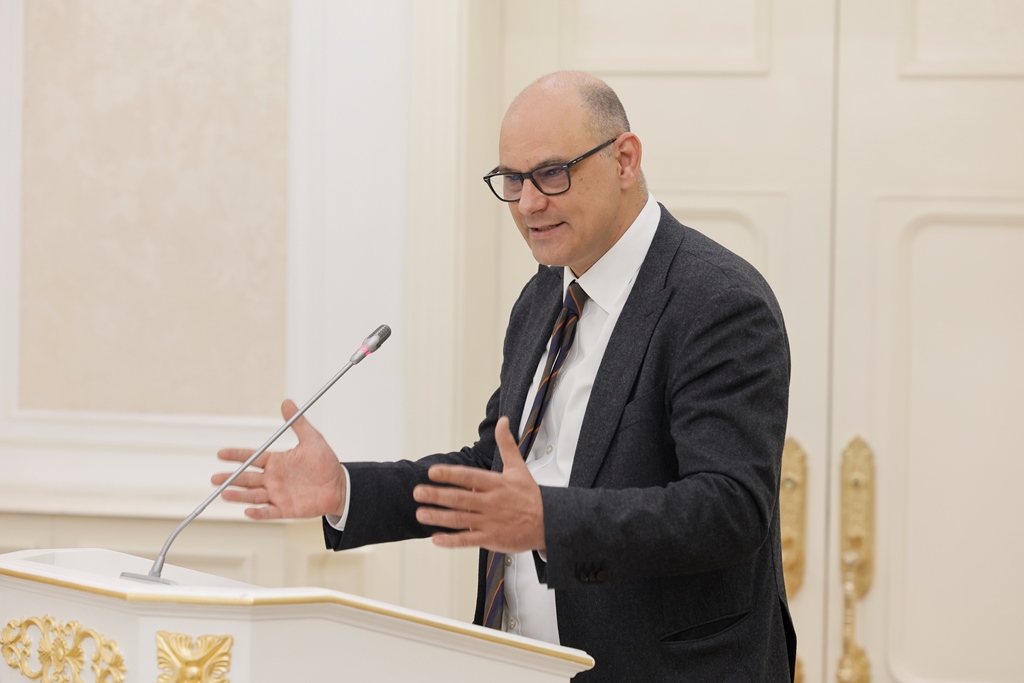
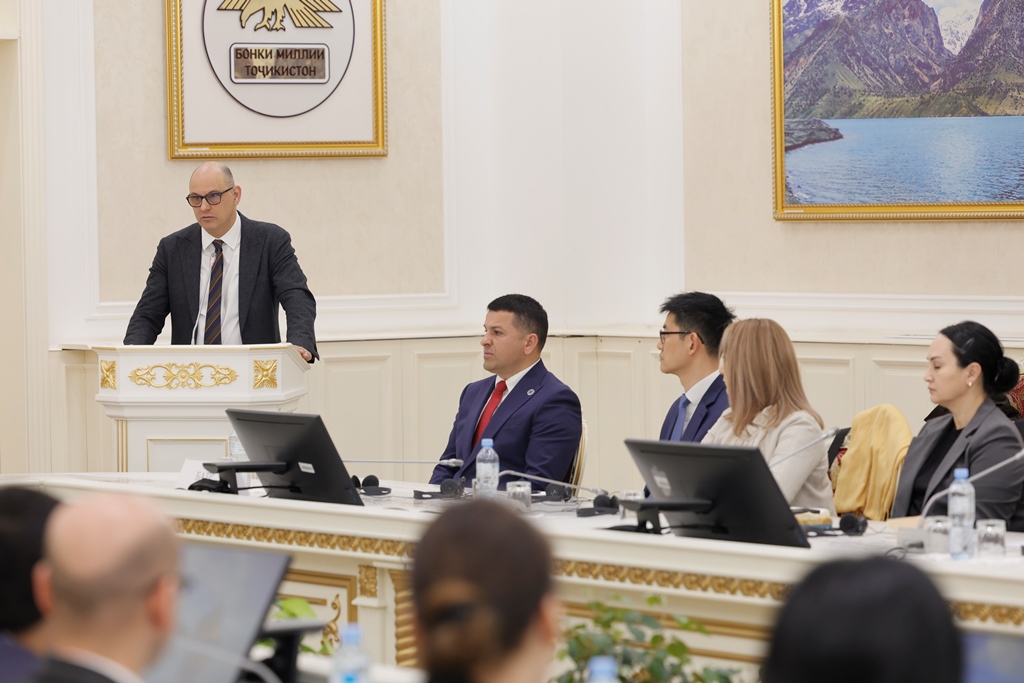
The official opening of the event was conducted by the Chairman of NBT, Firdavs Tolibzoda, and the Head of the EBRD Resident Office in Tajikistan, Holger Wiffel. In their speeches, they emphasized the growing importance of sustainable finance and the need to strengthen mechanisms for managing climate risks to ensure economic resilience.
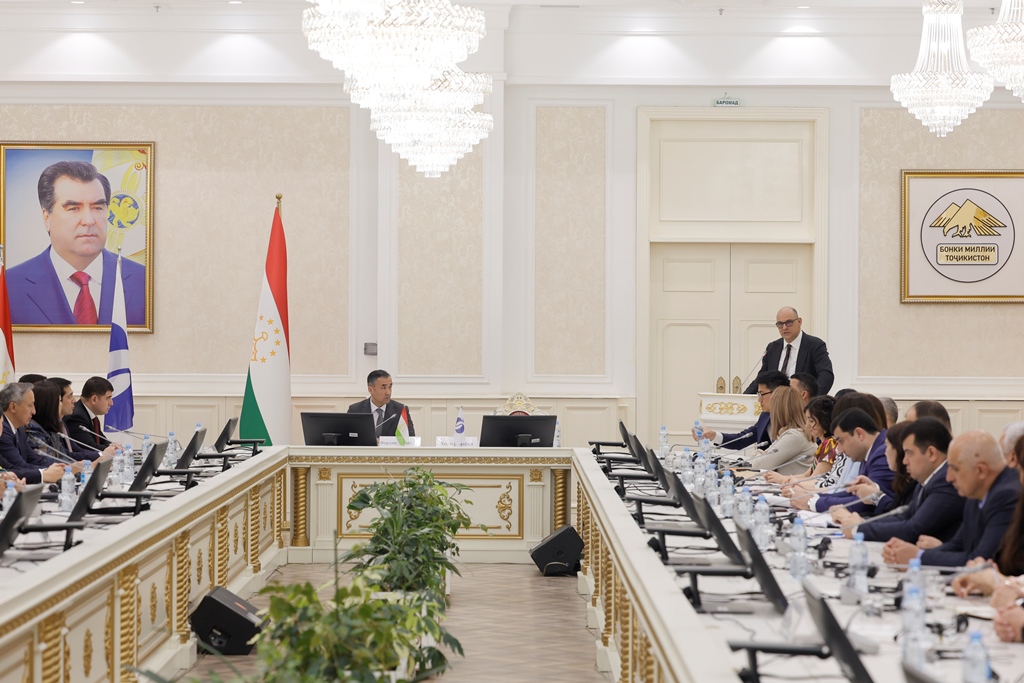
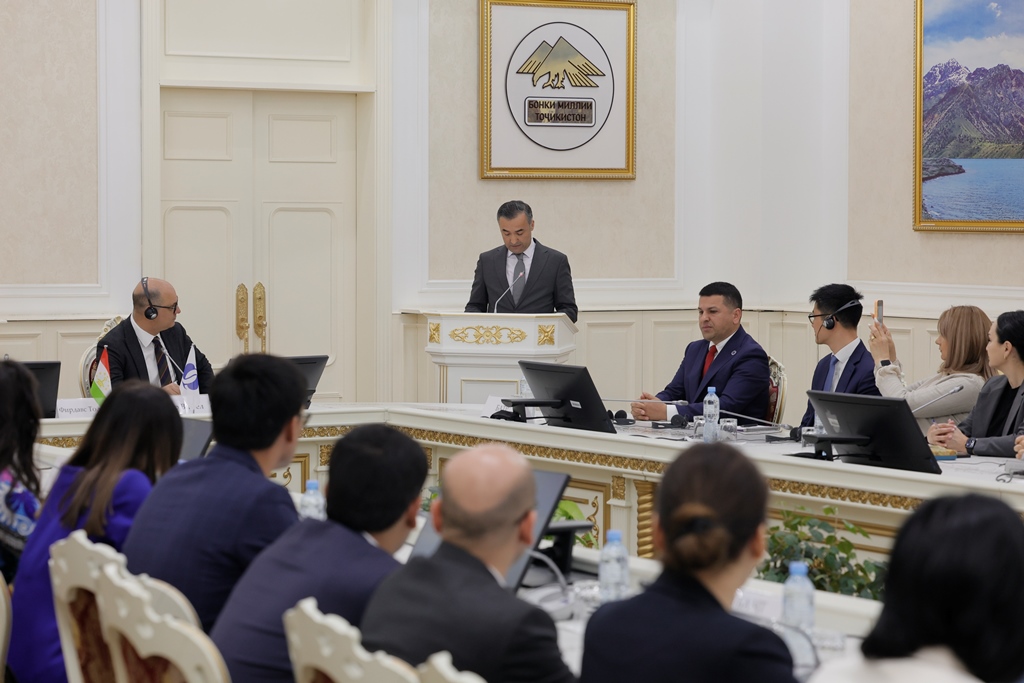
“This program is not just a training initiative but a strategic tool for strengthening the resilience of the financial sector. It helps banks adapt to global climate challenges. We are confident that the knowledge gained and the strategies developed will lay the foundation for future sustainable economic growth,” noted Firdavs Tolibzoda.
Key achievements of the program
The program, implemented from April to October 2024, covered around 100 specialists from 17 banks and microfinance organizations. During the training, participants learned key aspects of climate risk management, sustainable development strategies, and the integration of climate indicators.
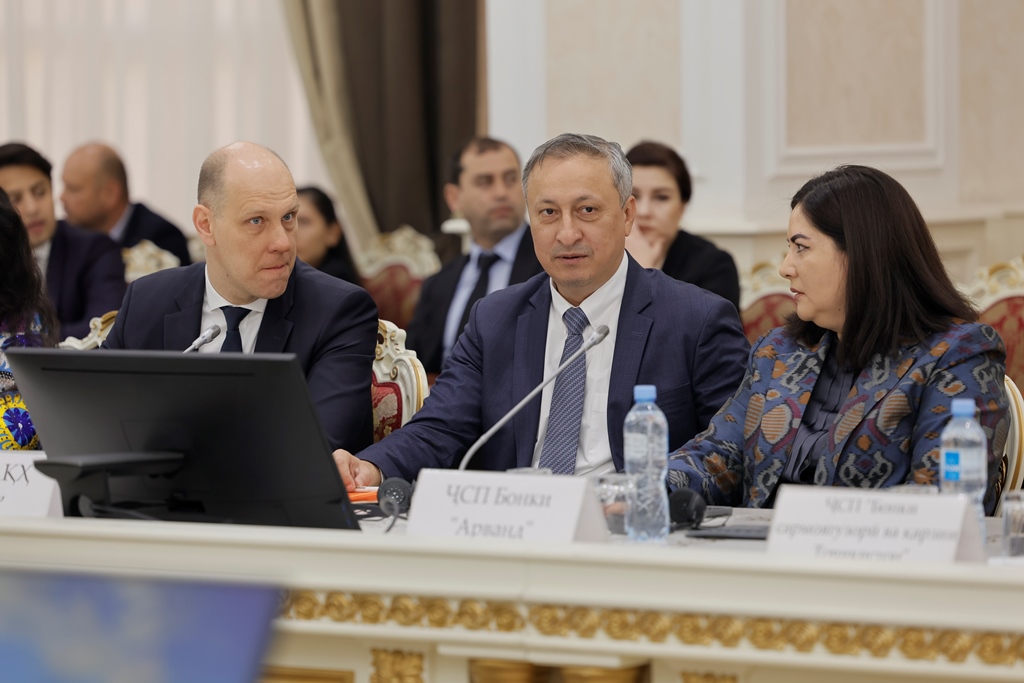
During the event, representatives from Amonatbonk (Tajikistan’s savings bank) Bank Eskhata, ICB, MDO Imon International, and MDO Humo presented their ESG initiatives and shared plans for further development of sustainable finance.
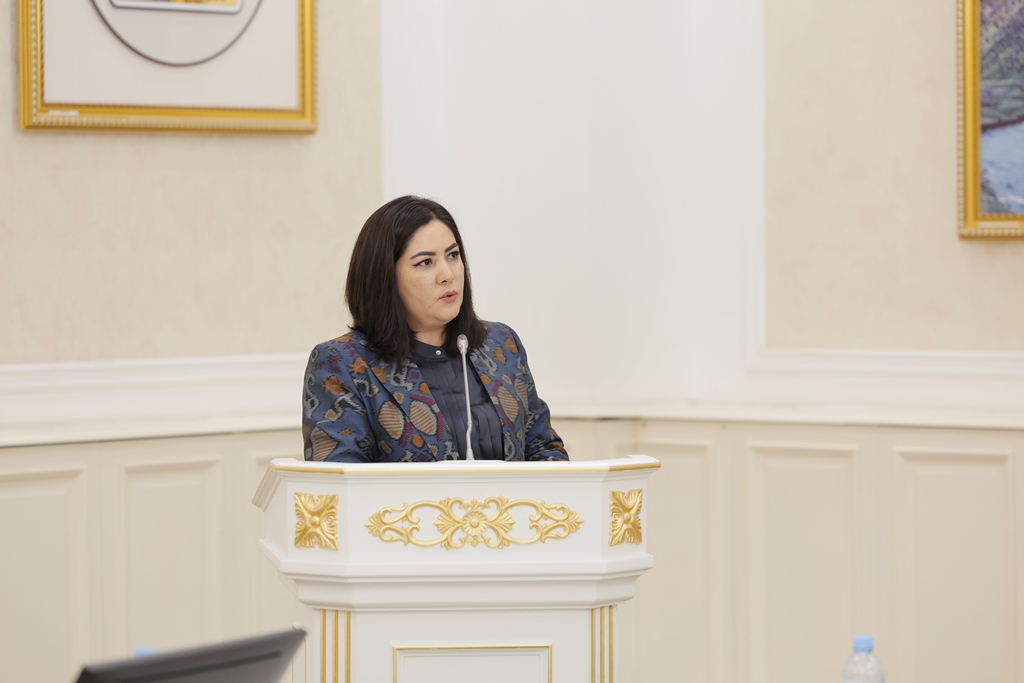
The Chairperson of the Arvand Bank, Ms. Shoira Sodyqova, presented the bank’s Transition Plan, emphasizing the practical value of the program for sustainable development.
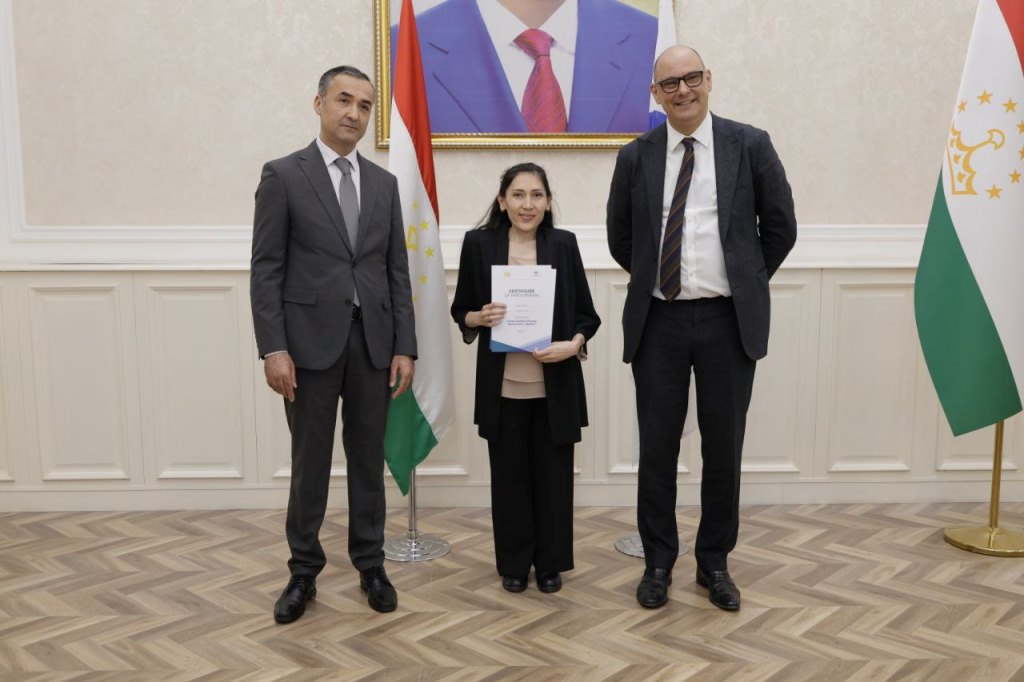
One of the key moments of the ceremony was the awarding of certificates to the program graduates, as well as the recognition of NBT's efforts in promoting sustainable finance.
"EBRD is proud to support Tajikistan in integrating climate aspects into the financial sector. This program is an important step towards implementing long-term sustainable development strategies and strengthening the country's economic resilience," said Holger Wiffel.
EBRD's green finance programs in Tajikistan
As part of its commitment to sustainable development, the EBRD actively supports green finance initiatives aimed at accelerating the adoption of environmentally friendly technologies. Through the GEFF II Tajikistan program, the EBRD provides financing to businesses and individuals for implementing energy-efficient and environmentally safe solutions.
The GEFF II Tajikistan project supports the country’s transition to a green economy, providing $50 million for the development of green technologies in agriculture, housing, and the commercial sector through local financial institutions. The program also places a special emphasis on expanding access to financing for women entrepreneurs seeking sustainable solutions.
As part of this initiative, two demonstration sites were created to showcase innovative green technologies in agriculture, including modern greenhouses, solar energy systems, vertical farming, biogas plants, and drip irrigation. These projects serve as practical examples for financial institutions and businesses, demonstrating the economic and environmental benefits of sustainable investments.
Alignment with national strategy and future plans
The program was developed under the Memorandum of Understanding signed between the EBRD and NBT in September 2023 and aligns with the Tajikistan's Green Economy Development Strategy for 2023-2037.
Tajikistan is one of the most vulnerable countries in the region to climate change, making the integration of climate risk management into the financial sector a priority. This initiative is in line with the Message of the President of the Republic of Tajikistan, Emomali Rahmon, on The Main Directions of Tajikistan's Domestic and Foreign Policy, reaffirming the country's commitment to sustainable development.
The EBRD is one of the leading international investors in Tajikistan. To date, the Bank has provided over €1 billion through 183 projects.
