Over the past 22 years, at least six Tajik children have fallen victim to hate-motivated murders in Russia. The recent brutal murder of the 10-year-old Qobiljon Aliyev in Moscow’s suburban school district has sparked widespread concern, once again raising questions about the spread of migrantophobia.
The murder of Qobiljon Aliyev
Qobiljon was stabbed to death at his school by a 15-year-old ninth-grader identified as Timofey K on December 16.
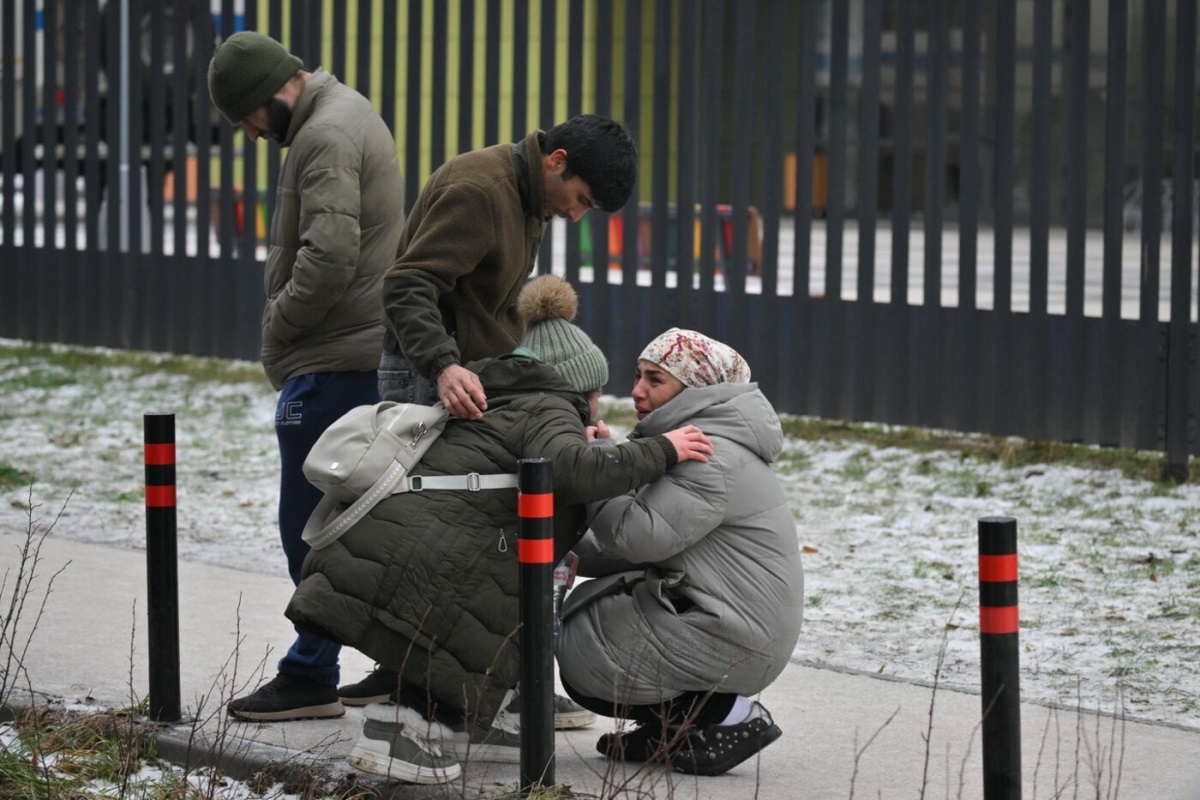
Before the bloodshed began, Timofey K. approached a group of children and a teacher at the school and asked about their nationality. He recorded this exchange on his phone and later shared it on Telegram. When a security guard advanced, Timofey K. doused him in pepper spray and stabbed the man before chasing Qobiljon Aliyev up the stairs and fatally wounding him.
Media reports say Timofey K. was dressed in gear bearing slogans linked to mass killings. On his vest was the phrase “No Lives Matter,” a term associated with a subculture that imitates mass attackers and far-right groups. Other slogans referred to Anders Breivik’s 2011 Norway attacks and past assaults on schools and places of worship in the United States and New Zealand. Before the attack, he sent classmates a “manifesto” condemning Muslims, Jews, and the left generally, and advocating the need to “correct” the so-called “Great Replacement” — a far-right conspiracy theory claiming that white European populations are deliberately being replaced by non-white peoples, especially from Muslim-majority countries.
The Russian authorities have stopped short of calling the killing a hate crime. Statements by federal investigators have not mentioned a motive. Criminal proceedings have been instituted against the killer under articles related to murder and attempted murder of Russia’s Criminal Code. The investigation is under way.
The Tajik government has publicly demanded an “immediate, objective, and impartial investigation” into the boy’s murder, calling it a crime motivated by national hatred.
This is not the first incident of violence against Tajik children.
2022. The murder of Daler Bobiyev
5-year-old Daler Bobiyev was killed in December 2022 in Yekaterinburg by his guardians, Alexander and Veronika Naumov, both Russian citizens. His body was discovered only six months later, in June 2023.
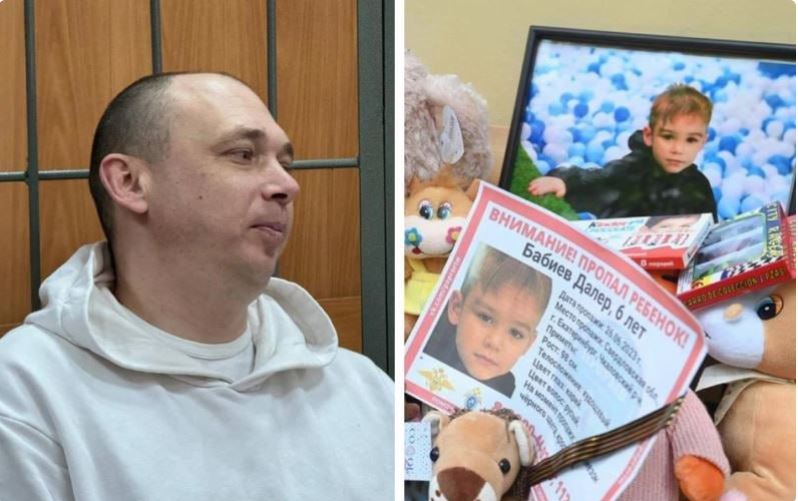
In court, witnesses testified that Alexander Naumov repeatedly tied the 5-year-old to a chair with tape and deprived him of food for long periods. These brutal tortures led to the child attempting to escape several times.
On June 26, 2023, Naumov's wife, Veronika, reported Daler missing. Hundreds of local residents participated in the search for the child. His body was found on June 29, 2023, hidden in a bag near the guardians' home. It was revealed that Daler had been murdered back in December 2022.
In September 2024, Alexander Naumov was sentenced to 5 years in prison for the brutal abuse of the child. In July 2025, Veronika Naumova was sentenced to 24 years in prison for the murder of the child with particular cruelty.
2018. The murder of Huvaydo Tillozoda
The murder of 5-year-old Khvaydo Tillozoda became one of the most high-profile crimes against Tajik children in Russia. In the Serpukhov district of Moscow region, she was first raped and then killed.
According to media reports, on July 22, 2018, Huvaydo Tillozoda went missing from a playground near her house, and the next day, her body was found in a sports bag. The forensic examination revealed that the girl was raped and then murdered with a knife.
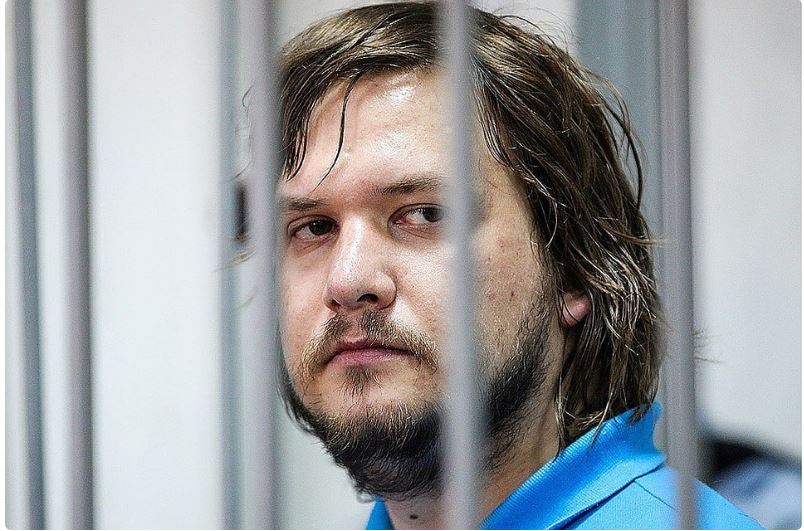
28-year-old Alexander Syomin, a Russian citizen who lived nearby, was charged with the crime. However, for unknown reasons, the trial of his case lasted almost 5 years. In March 2023, he was sentenced to 24 years in prison, but in September 2023, the appellate court sentenced Syomin to life imprisonment.
2015. The death of Umarali Nazarov
The death of the 5-month-old Umarali Nazarov during a "raid" by Russian law enforcement officers became one of the most painful incidents of 2015. On the morning of October 13 of that year, officers from the Federal Migration Service in St. Petersburg detained Zarina Yunusova, a Tajik citizen, separating her from her 5-month-old son.

A few hours later, at midnight, the child died under unexplained circumstances at the Tsymbalin Children's Hospital. According to the conclusion of forensic experts, the cause of death was a cytomegalovirus infection, despite the fact that the child’s condition had been deemed satisfactory just a few hours earlier upon admission.
A month later, on November 16, the child’s body was returned to Dushanbe and buried the same day in the Fayzobod district. Relatives reported that the child had been healthy before the detention of his mother. Tajikistan’s authorities promised to conduct an additional medical examination in Dushanbe, but no government representatives were present at the airport to meet the family.
This incident was never fully investigated, and no one was held accountable for the child’s death. Meanwhile, Umarali’s mother, Zarina Yunusova, was deported from Russia for five years.
2004. The murder of Khursheda Sultonova
9-year-old Khursheda was murdered on February 9, 2004, by skinheads in St. Petersburg, causing a strong public outcry in Tajikistan.
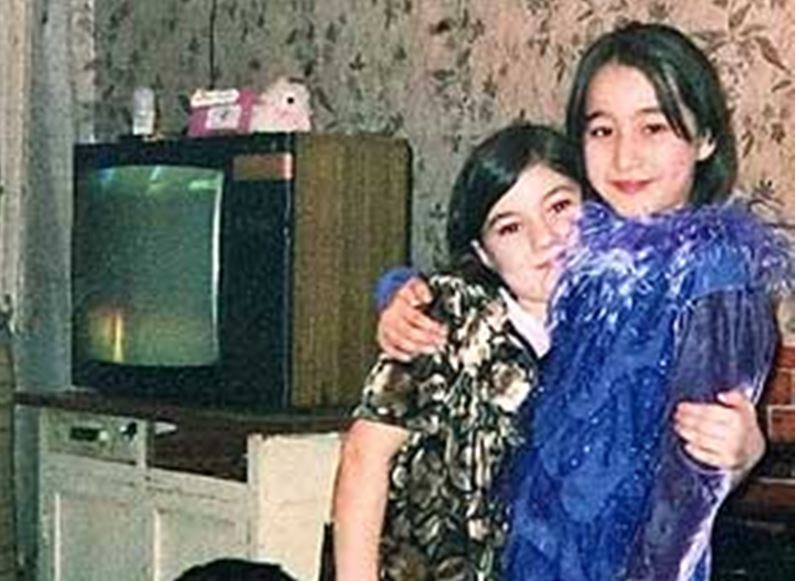
A group of skinhead teenagers attacked the 35-year-old Yunus Sultanov, 11-year-old Akobir Niyozov (Yunus’s nephew), and 9-year-old Khursheda—three Tajik citizens. During the attack, they shouted, “Get out of Russia!”
As a result, the girl died on the spot from 11 stab wounds, and her father and nephew were severely injured but survived.
After the tragedy, the media referred to the incident as "the murder of a Tajik girl by nationalist skinheads," and there was a rise in public discussions and protests against xenophobia in Russia. However, of the dozens of suspects, only a few teenagers were arrested and sentenced to short prison terms for "hooliganism" ranging from 1.5 to 5.5 years.
Seven years later, in 2011, 12 members of this nationalist criminal group were arrested and sentenced for a series of murders, including the murder of 9-year-old Khursheda, to terms ranging from 7 to 11.5 years in prison.
2003. The murder of Niloufar Sangboyeva
The 5-year-old Niloufar Sangboeva was murdered on September 23, 2003, at the Dachnoye railway station in St. Petersburg. This was the first documented case in the media of the murder of a Tajik child in Russia on the grounds of national hatred.

A group of Nazis, on September 23, beat two girls, aged five and seven, in front of their mother. According to media reports, Dmitry Khayretdinov, one of the attackers, struck Niloufar Sangboyeva with a metal knuckle 10 times to the head and stabbed her 40 times with a knife. The girl died in the hospital that same evening.
A year later, in December 2004, the St. Petersburg City Court sentenced two of the accused to 10 years in prison each, one to 7 years, and two others to 2.5 years in prison each. Two other defendants were given conditional sentences of 5 and 6 years. The crime was officially recognized as being committed out of national hatred.
Migrantophobia and its consequences
Experts argue that the rise in violence and murders of Tajik children in Russia is a result of growing migrantophobia and the impunity for xenophobic acts. Shuhrat Latifi, a migration expert, noted that the negative attitude towards migrants, actively fostered in Russia’s political and media space, contributes to radicalization in society.
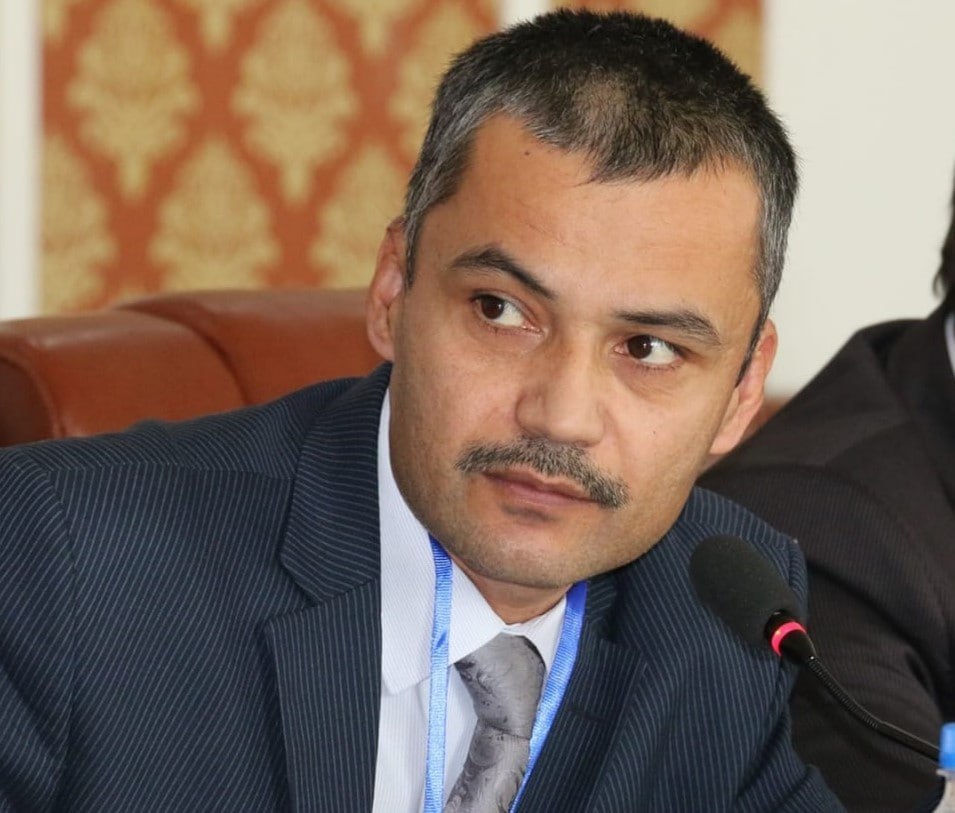
"Within 24 hours after Qobiljon's murder, more than 1,700 people online supported Timofey K.’s actions. This shows that nationalist ideology is influencing youth, which is a serious threat," Latifi said.
According to the expert, three main factors contribute to the increase in such crimes:
• Lack of preventive control;
• Insufficient anti-discrimination education;
• Untimely accountability for perpetrators.
Impunity and radicalization
Latifi argues that new measures, such as transferring information about migrant children to Russia’s Ministry of Internal Affairs, only increase the climate of fear and reinforce the stigmatization of migrants. Without a clear mechanism to control and punish hate propaganda, radical groups will continue to act with impunity.
"Until the fight against national hatred is made a national priority, the influence of radicalism will only increase," the expert emphasized.




