
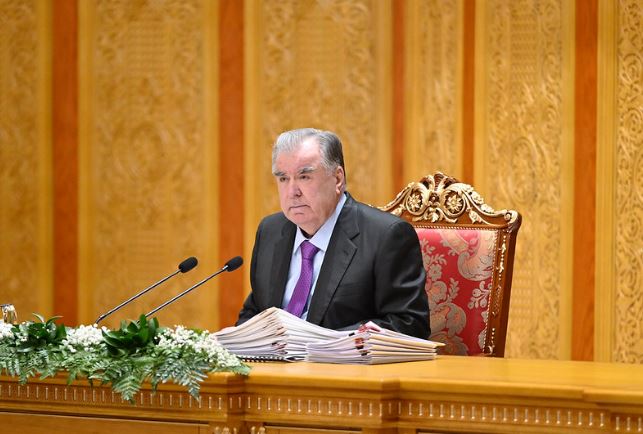
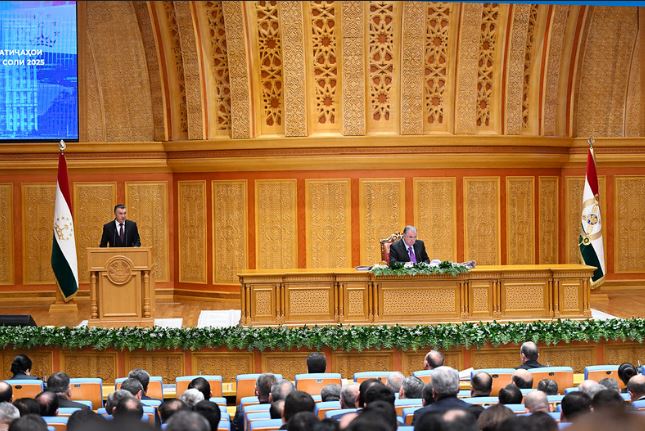
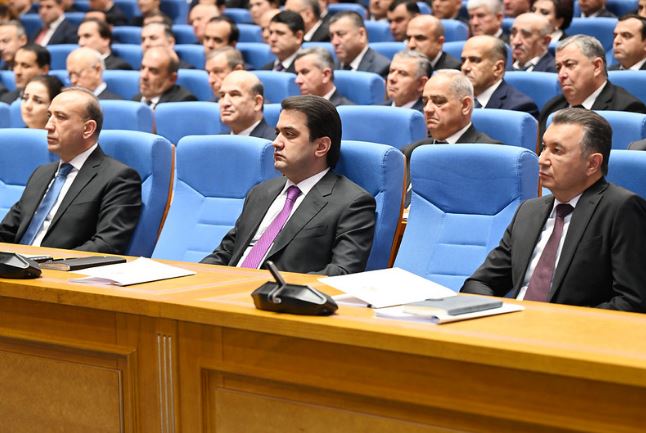
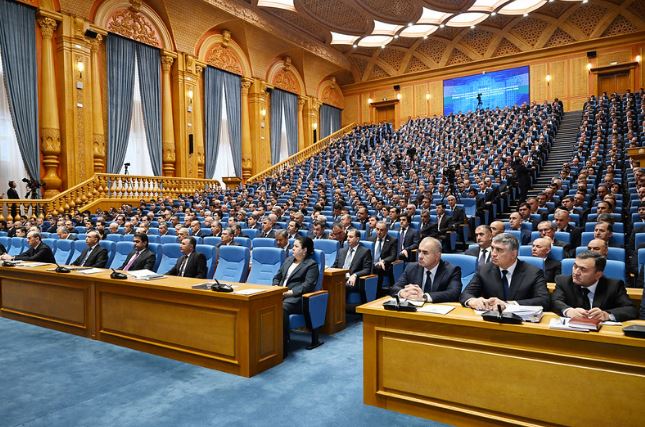
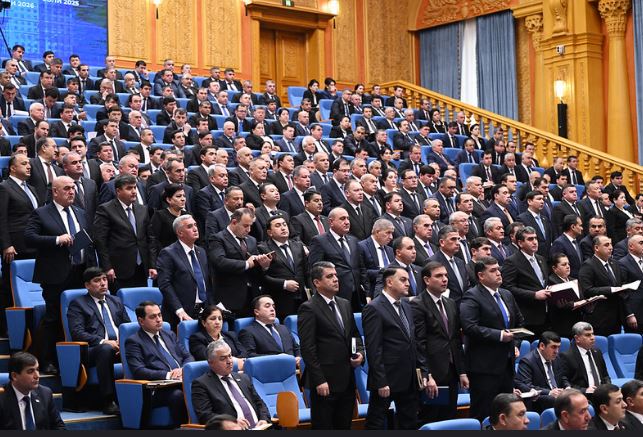
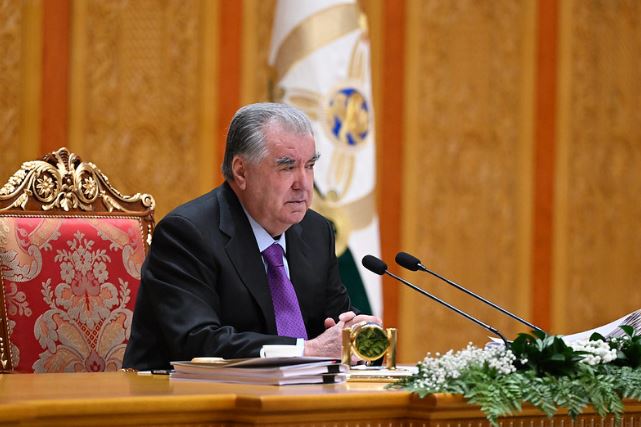
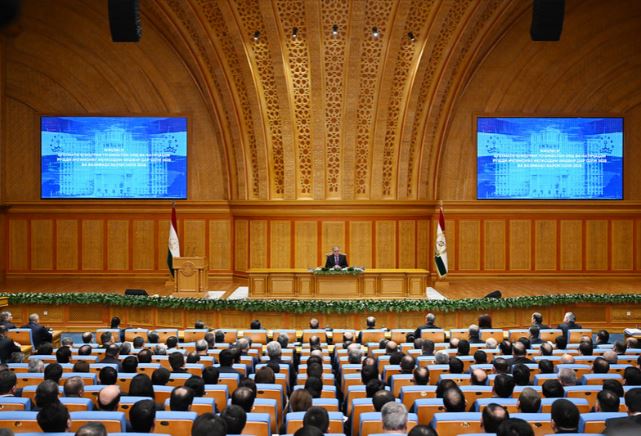
On January 23, an expanded session of the Government of the Republic of Tajikistan was held at the Government House, chaired by President Emomali Rahmon. The meeting was attended by members of the government, the leadership of the President's Executive Office and its branches, heads of central state bodies, republican enterprises and institutions, regional, city, and district governors, heads of higher education institutions, banks, investment centers, and media representatives.
Socio-Economic Development Results for 2025
The primary focus of the meeting was to review the country’s socio-economic development in 2025 and define priority tasks for 2026.
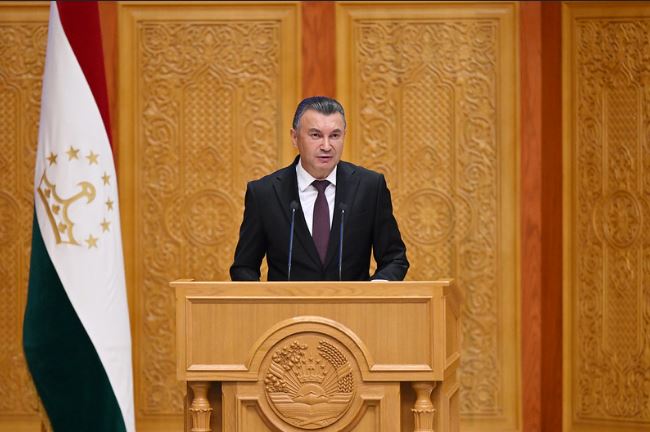
Prime Minister Kohir Rasulzoda presented a report, noting that despite complex global challenges, 2025 was a successful year for Tajikistan, achieving significant results in the country’s political and socio-economic life.
Macroeconomic Indicators and the Budget
GDP: Totaled 176.9 billion somoni, with an economic growth rate of 8.4%.
Inflation: Decreased to 3.5%.
State Budget Revenue: Reached 60.3 billion somoni, exceeding targets by 7 billion somoni.
Fixed Capital Investment: Reached 28.7 billion somoni, a 23% increase compared to 2024.
Industry and Energy Development
In 2025, 400 new industrial enterprises were commissioned, contributing to a 22.1% growth in industrial production and the creation of 17,000 jobs.
In the energy sector, 13 state investment projects worth 14.9 billion somoni were implemented. Electricity production increased by 7%, reaching 24 billion kWh.
Agriculture and Food Security
Total agricultural output amounted to 84.6 billion somoni, ensuring a growth rate of 9.5%. The government continued efforts to bring new land into cultivation, develop livestock and crop production, and expand agricultural exports.
Special attention was directed toward preparations for the spring sowing campaign, the introduction of water-saving technologies, the use of high-quality seeds, and increasing crop yields.
Investment, Entrepreneurship, and Banking
In 2025, the country attracted 59.5 billion somoni in foreign investment, a 35% increase over the previous year. Total bank lending reached 30 billion somoni.
The leadership of financial and banking institutions was instructed to step up lending to businesses, expand non-cash payments, and accelerate the digitalization of financial processes.
Transport, Trade, and Services
Transport: 14 investment projects worth 11.7 billion somoni were implemented. During the year, 155 million tons of cargo and 1.1 billion passengers were transported.
Trade: Turnover reached 77.3 billion somoni, while paid services totaled 30.5 billion somoni.
Foreign Trade: Increased by 20.5%.
Social Sphere
In 2025, 4,056 general education institutions operated in the country; 214 new schools and additional buildings for 99,000 students were built. The number of preschool institutions reached 795 units.
A total of 4.3 billion somoni was allocated for healthcare development. 113 medical institutions were commissioned, and over 300 facilities underwent major repairs and reconstruction.
280,000 new jobs were created from all sources.
Reports from Ministries and Agencies
The meeting heard reports from the Minister of Finance, the heads of the Tax Committee and Customs Service, the Prosecutor General, the Chairman of the National Bank, and leaders of sectoral ministries and investment bodies.
Following the discussions, the President gave specific instructions to strengthen financial discipline, eliminate tax arrears, combat corruption, and transition financial processes into electronic formats.
Regional and Capital Development
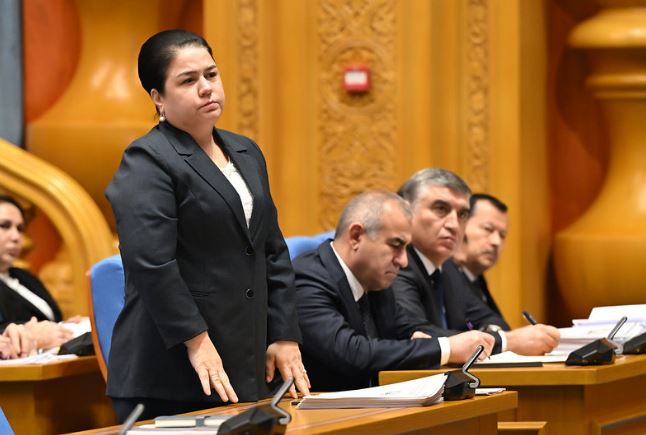
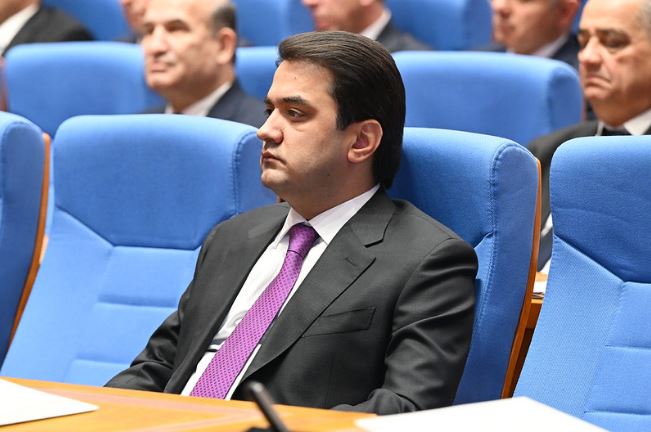
Rustam Emomali, the Chairman of Dushanbe, reported the creation of 46,000 jobs, a regional GDP growth of 8.3%, and a city budget surplus of 22.2%. Reports were also heard from the chairmen of the Gorno-Badakhshan Autonomous Region, Sughd Region, and Khatlon Region regarding their respective development results.
Key Objectives for 2026
Summarizing the results of the meeting, Emomali Rahmon outlined the priority areas for 2026, including ensuring economic growth of at least 8%, accelerated industrialization, digitalization of the economy, the development of "green" energy, and improving the population's standard of living. Particular attention was instructed to be paid to the fulfillment of the state's social obligations, the increase of wages, pensions, and scholarships, as well as preparations for the celebration of the 35th anniversary of the State Independence of the Republic of Tajikistan.
The President's Closing Remarks
The Head of State emphasized the personal responsibility of government members, ministry heads, and local authorities in executing the instructions from the President's Address and government decisions, correcting identified shortcomings, and ensuring the sustainable development of the country.
