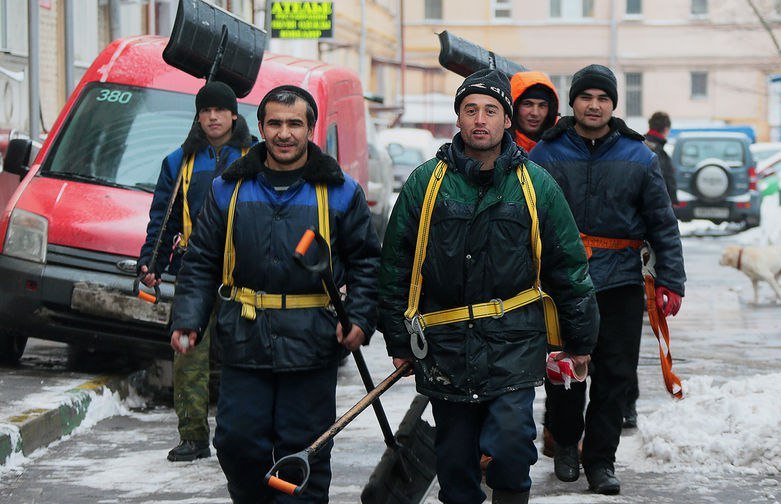
On February 3, Tajikistan’s Minister of Labor, Migration and Employment of the Population, Ms. Soleha Kholmuhammadzoda, outlined key mechanisms for protecting labor migrants that have proven effective in practice, speaking at a press conference.
According to the minister, the protection of the rights and legitimate interests of Tajik citizens working abroad is now carried out comprehensively at all stages of the migration process — before departure, during their stay overseas, and after their return home.
Legal employment as a core safeguard
One of the most effective protection tools, Kholmuhammadzoda noted, remains organized recruitment and legal employment. This mechanism allows all necessary documents to be prepared in advance, medical examinations to be completed, professional qualifications and language skills to be confirmed, and significantly reduces the risks of illegal employment and labor exploitation.
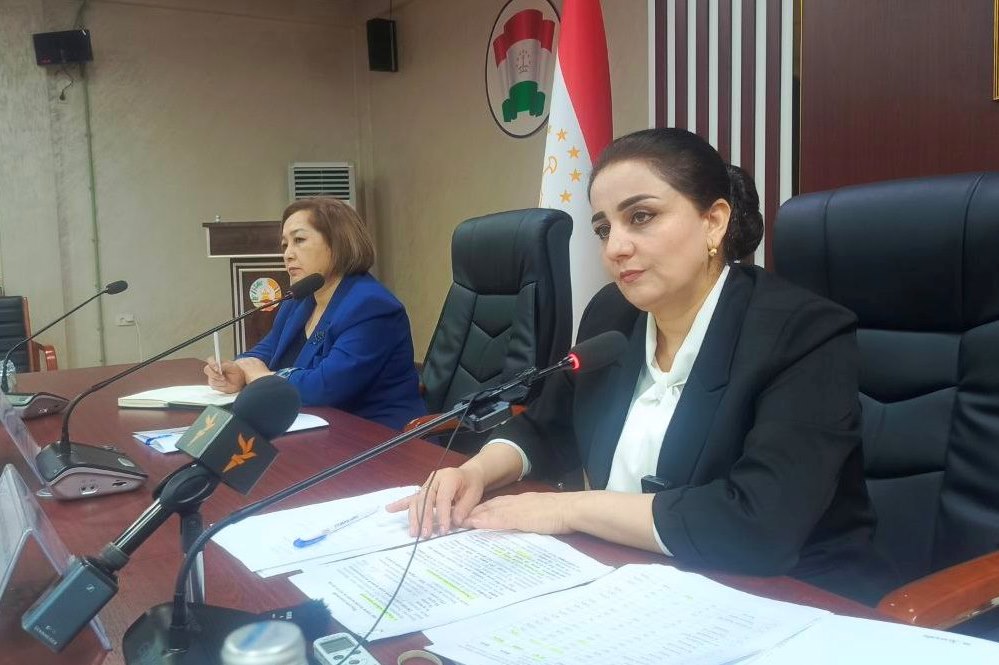
She reported that in 2025, 30 licensed entities engaged in overseas labor recruitment sent 35,747 citizens of Tajikistan abroad through organized channels — an increase of 18,805 people compared to 2024. Of these, 21,669 were employed abroad through the structures of the Ministry.
New agreements with Russia
The minister recalled that in 2025, a Protocol amending intergovernmental agreements between Tajikistan and the Russian Federation was signed to strengthen the protection of labor migrants’ rights. The document addresses organized recruitment and the legal status of migration authorities’ representative offices.
According to her, the protocol aims to regulate labor migration, train qualified personnel in line with the needs of the Russian labor market, and provide Tajik citizens with legal and safe jobs.
The signing of the protocol made it possible to move a significant portion of document-processing procedures — including medical examinations, fingerprinting, and verification of knowledge of the Russian language, history, and legislation — to Tajikistan prior to departure.
Assistance for migrants in Russia
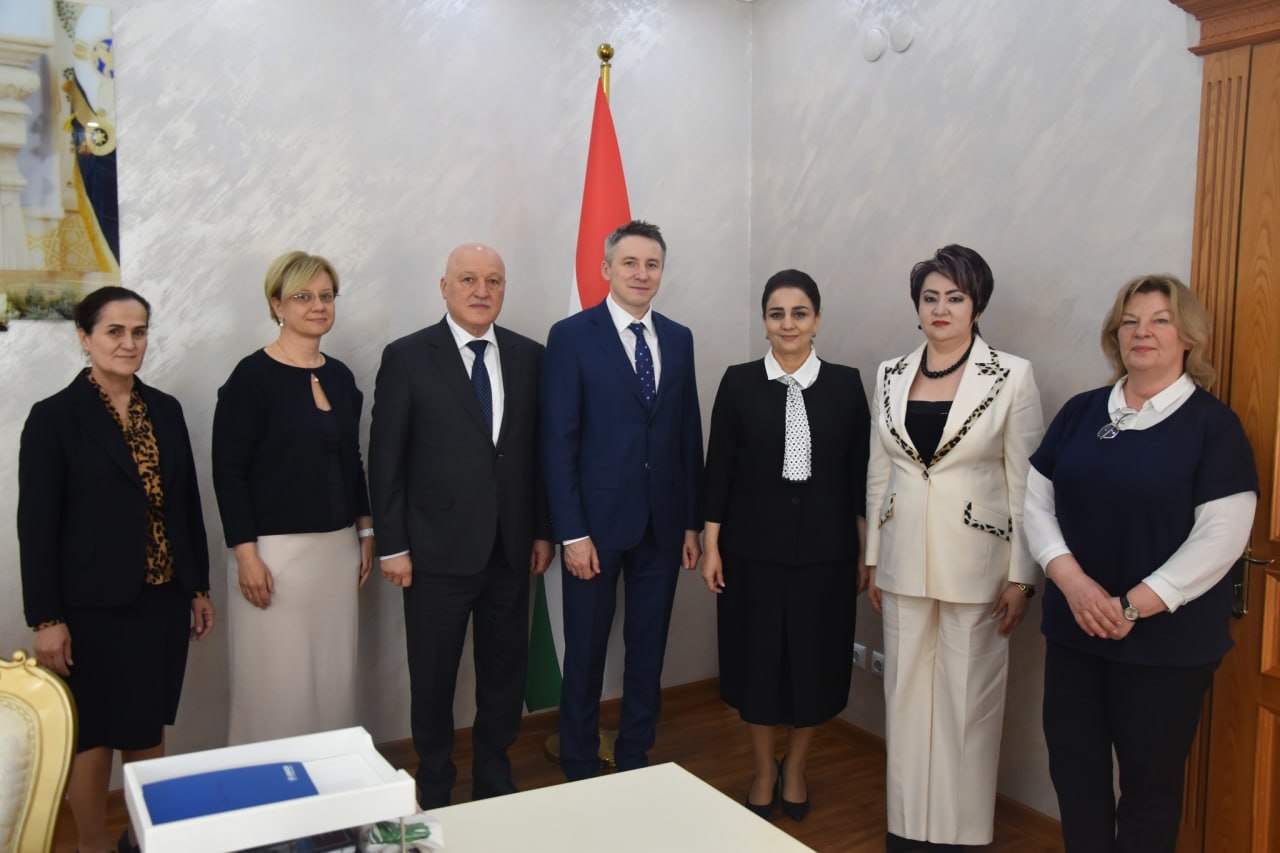
Kholmuhammadzoda emphasized that the representative office of Tajikistan’s Ministry of Labor, Migration and Employment in Russia plays an important role in protecting citizens’ rights abroad. The office provides legal, advisory, and informational assistance and actively cooperates with Russian authorities, employers, public organizations, and the Tajik diaspora.
Over the past year alone, tens of thousands of appeals were reviewed by the representative office. Assistance was provided in overturning deportation decisions, lifting entry bans, and recovering unpaid wages. In addition, more than 12,000 Tajik citizens residing in Russia were assisted in finding employment.
Prevention and awareness-raising
The minister described preventive and informational work as a key element of migrant protection. Even before departure, citizens receive guidance on the rules of stay in destination countries, migration and labor legislation requirements, as well as personal, sanitary, and legal safety measures.
This work continues after migrants return home, aiming to prevent repeated violations of migration laws and to support social and labor reintegration.
During the reporting period, the Ministry’s representative office in Russia held 77 meetings with law enforcement bodies and international organizations, 205 meetings with labor migrants, and 441 virtual meetings and consultations with Tajik community organizations.
Support for returning and deported migrants
Ensuring employment for returning and deported labor migrants remains a priority. During the reporting period, 55,088 people were employed through job-placement companies, including 16,200 deported and repatriated migrants. Of these, 2,565 were employed at facilities of the Roghun Hydropower Plant.
According to the minister, 4,595 returning migrants applied to labor and employment agencies. As a result, more than 1,000 people found jobs, while others received vocational training and counseling. Overall, more than 28.6 thousand returning and deported migrants were covered by various employment and social support measures.
Employment opportunities at home
Concluding her remarks, Kholmuhammadzoda stressed that creating opportunities for decent employment within the country is an essential component of migrant protection. To this end, vocational training courses, skills-upgrading programs, and job fairs are regularly organized, enabling citizens to engage directly with employers.
She noted that this comprehensive policy not only protects labor migrants abroad but also contributes to sustainable employment and social stability within Tajikistan.