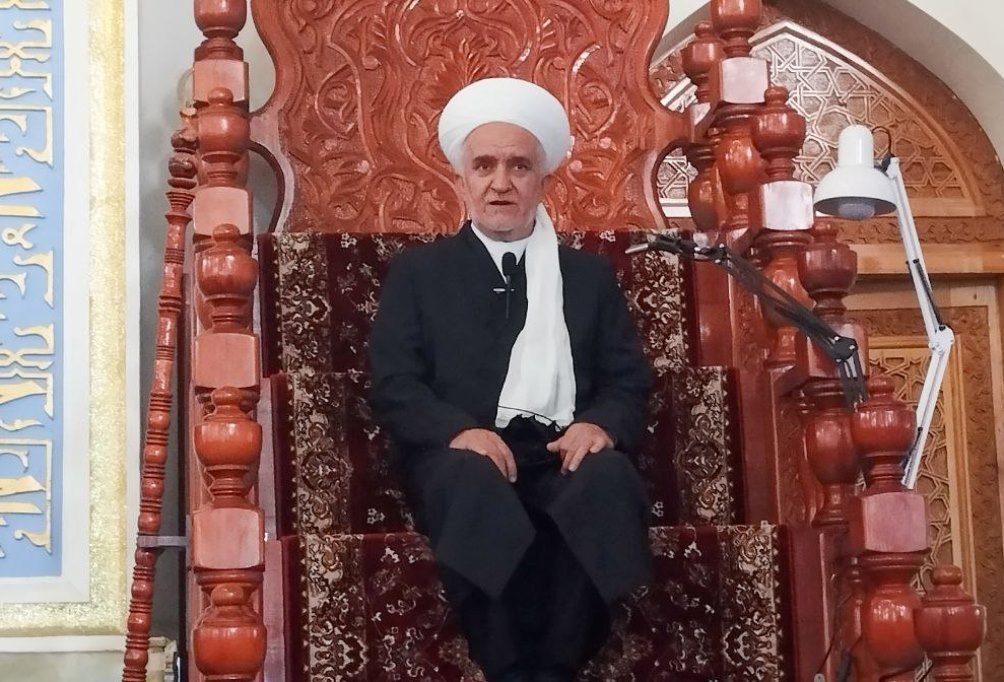
Tajikistan’s Mufti and Chairman of the Council of Ulema (Shuroi Ulamo — Tajikistan’s highest Islamic institution), Saidmukarram Abdulqodirzoda, has proposed the establishment of a Waqf Authority to organize and oversee charitable activities carried out by citizens.
He made the proposal on February 2 during a news conference held by the Committee for Religious Affairs. According to the mufti, similar institutions operate in most Islamic countries as well as in a number of non-Islamic states.
“Before the October Revolution of 1917, a waqf administration already existed in our country. It would be good if something similar were created today,” Abdulqodirzoda said.
A waqf refers to property donated for charitable purposes for the benefit of society. According to the mufti, a specialized authority could ensure the preservation of such assets and monitor their proper use and fair distribution.
Abdulqodirzoda stressed that every Muslim should understand which charitable acts bring lasting merit and how long that merit endures. He noted that, “unfortunately, sadaqa jariya has been forgotten among our people,” referring to a form of charity whose benefits continue over time.
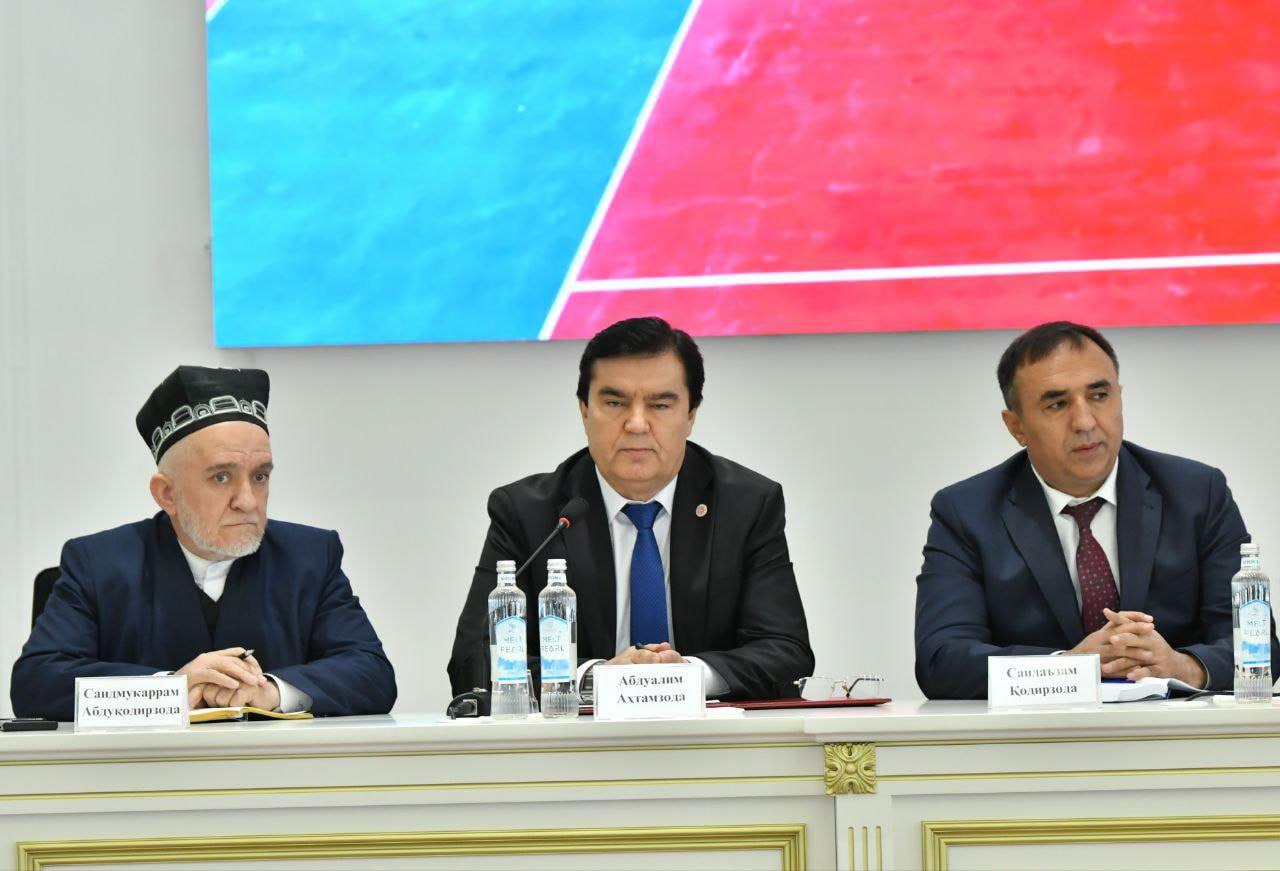
He explained that the merit of sadaqa jariya remains as long as the donated asset continues to be used. As an example, he cited the construction of schools or orphanages, noting that the donor continues to receive spiritual merit as long as children study or live there.
In his view, a Waqf Authority should be established in coordination with relevant state bodiesso that citizens’ charitable activities become more systematic and large-scale.
At the same time, he did not specify whether the proposed body would operate under the Council of Ulema, the Committee for Religious Affairs, or function as an independent institution.
Currently, two institutions related to Islam operate in Tajikistan: the Council of Ulema and the Center for Islamic Studies. The Council of Ulema deals with issues of Sharia and the issuance of religious fatwas, while the Center for Islamic Studies under the President examines religious processes and monitors ideological security.
Waqf is an Islamic, inalienable charitable endowment where a person (waqif) permanently dedicates assets—such as land, buildings, or cash—for religious, pious, or social purposes. Once established, the property cannot be sold, inherited, or transferred, with its benefits (usufruct) used for public welfare like schools, hospitals, or mosques.