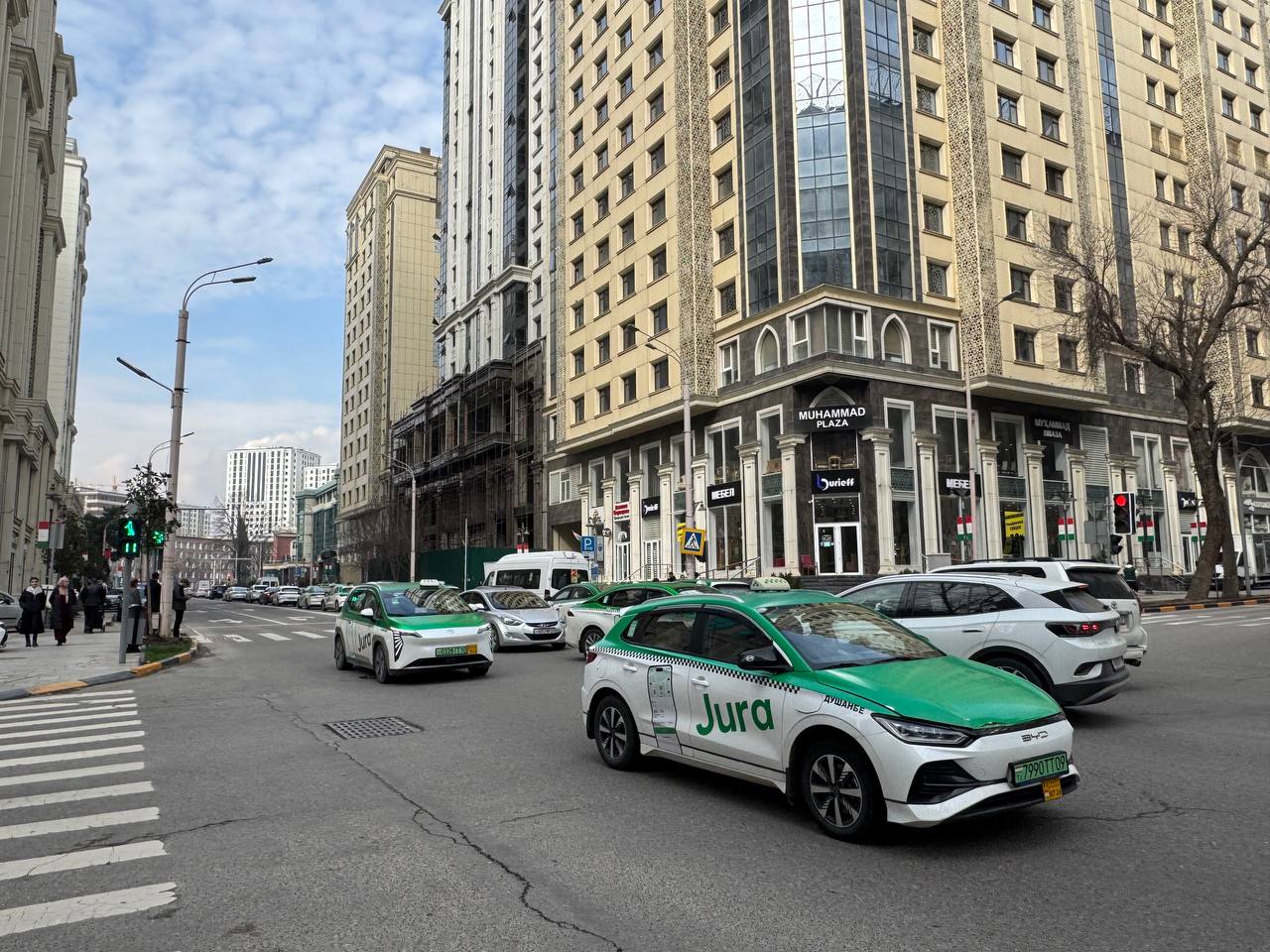
In recent years, automated traffic control systems have become a common tool in large cities. Their main goal is to reduce the number of dangerous situations on the roads through continuous monitoring.
When drivers know that speeding or running a red light will be recorded, they are more likely to follow the rules, which directly impacts the accident rate.
In Dushanbe, radars and automated violation detection cameras started operating on June 20, 2024. The system detects speeding, running red lights, driving in the wrong lane, and several other violations.
The cameras and radars autonomously capture violations, record the vehicle's license plate, and transmit this information to the country's traffic police (UGAI). Afterward, an inspector verifies each case, and only after confirming the violation is a fine imposed.
The implementation of radars and cameras is part of a larger urban project called NERU. The project includes not only the automated violation detection system but also paid parking spaces and charging stations for electric vehicles. The mission of the project is to restore order on the roads, reduce traffic congestion, and create a safer urban environment.
Is the accident rate really decreasing?
The effectiveness of automatic violation detection systems is also supported by international research. According to reports by the European Commission on road safety, the use of speed and intersection cameras can reduce accidents by an average of 15-20%.
The Cochrane Systematic Review, based on the analysis of dozens of studies, shows that in areas with camera installations, the total number of accidents decreases by 14-25%, and in some cases, the reduction reaches almost 50%. The effect is particularly noticeable in accidents with severe consequences.
Similar approaches are used in other Central Asian countries. In Uzbekistan, cameras and radars are installed in areas with high accident rates and near social facilities. Uzbek media reported that after the installation of radars and a reduction in the speed limit to 60 km/h, the number of accidents in certain areas decreased by about 30%.
In Kazakhstan, the "Sergek" system is widely used in major cities. Official data from Kazakh authorities links its implementation to a steady decrease in accidents and fatalities on the roads.
Why is this especially important for Dushanbe?
In the capital:
· Speeding remains one of the key factors in severe accidents, and automatic control directly influences adherence to speed limits.
· Constant violation detection helps form more predictable and stable behavior among drivers.
· The system operates as part of a comprehensive approach to urban traffic management within the NERU project.
Thus, the implementation of radars and cameras in Dushanbe aligns with international practices and the experiences of neighboring countries. With proper configuration and transparent rules of application, such systems are seen as an effective tool for improving road safety and reducing the number of traffic accidents in the city.