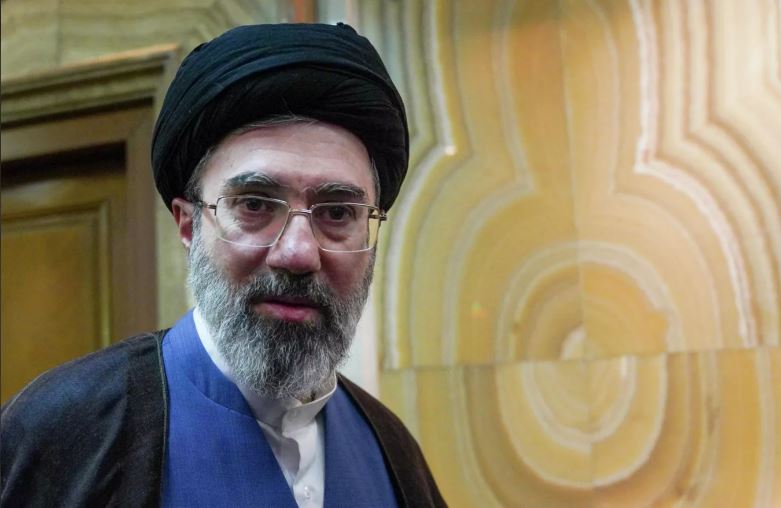
Iran’s Supreme Leader Mojtaba Khamenei stated that Tehran will not leave the actions of the US and Israel unanswered and intends to seek compensation from them for the damage caused. Iranian media published the Supreme Leader’s address following reports of his critical condition.
Mojtaba Khamenei addressed Iranians on the occasion of 40 days after the death of his father, the country’s former leader Ali Khamenei, who died as a result of US and Israeli attacks on Iran that began on February 28.
According to him, the country did not seek war, but will defend its rights and considers itself the winner in the current confrontation.
In the text of the address, distributed by the Tasnim agency, it is stated that Iran is ready to move to a new stage of control over the Strait of Hormuz — a strategically important artery of global energy. This issue remains key in negotiations with Washington.
“Everyone should know: we will not leave in peace the criminal aggressors who attacked our country. We will definitely demand reparations,” he promised.
Khamenei separately addressed the Persian Gulf countries, urging them to “take the right side” and not to trust external pressure.
At the same time, Tehran insists on security guarantees, the lifting of sanctions, and the recognition of its nuclear rights within the framework of future agreements.
Earlier, the British newspaper The Times, citing a diplomatic note and data from American and Israeli intelligence, reported that Iran’s Supreme Leader Mojtaba Khamenei is unconscious and in critical condition. According to the newspaper, he is undergoing treatment in Qom and currently cannot participate in decision-making.
Trump announced a two-week truce with Iran, stating that the US will cease strikes provided the Strait of Hormuz is opened. According to him, Washington received a ten-point plan from Tehran, which could form the basis for negotiations. However, it later became clear that the parties interpret the ceasefire conditions differently.
Despite US statements, the strait remains effectively closed, and passage of ships is carried out only in agreement with Iran.
A day before the talks in Islamabad, scheduled for April 11, the situation around a possible truce in the Middle East remains tense: the parties continue to exchange accusations and military strikes, casting doubt on the prospects for agreements.
Read more: