
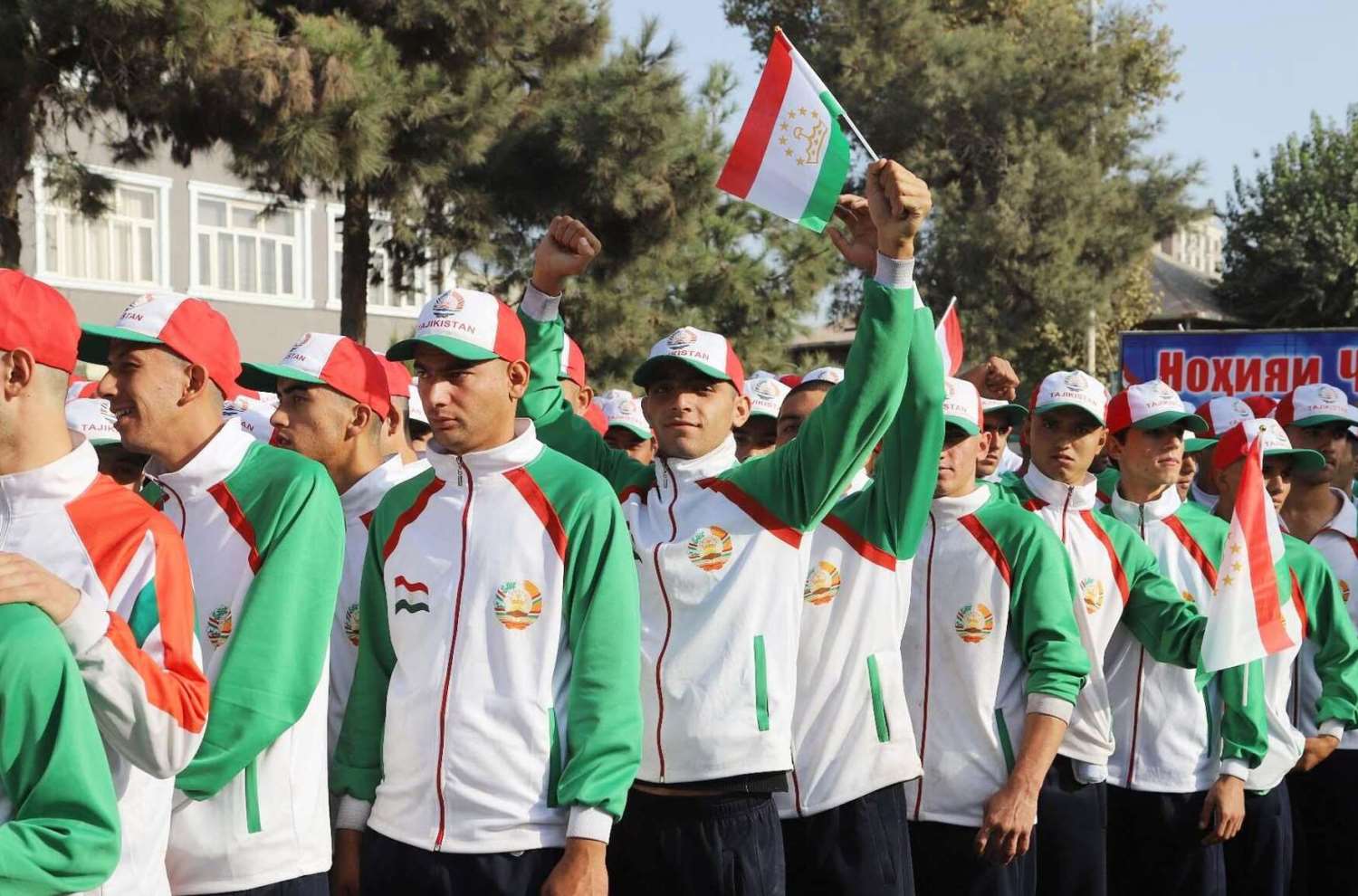
The plan for the spring conscription for mandatory military service in Tajikistan has been completed by more than 80% in the first 10 days, reports the Information and Public Relations Department of the Ministry of Defense of the country.
The Gorno-Badakhshan Autonomous Region and the city of Dushanbe have fully completed the conscription plan.
Khatlon Region also demonstrates high results, reaching 96.2% of the plan’s completion. The dispatch of conscripts to military units continues.
In Sughd Region, the plan’s completion stands at 57.5%, and in cities and districts of republican subordination, it is at 68.3%.
Currently, across the republic, the plan for the spring conscription into the Armed Forces is 80.1% fulfilled.
The spring conscription campaign began on April 1 and will last until May 31. This year, young men aged 18 to 27 (born from 1999 to 2008) are being conscripted into the army.
Local authorities associate the successful fulfillment of the plan in the early days with an increase in the number of volunteers, offering various benefits for conscripts, and well-organized explanatory work. Experts note that according to the new law on military obligations, the authorities have the right to conscript youth throughout the year, which helps fulfill the plan at the early stages of the campaign.
