
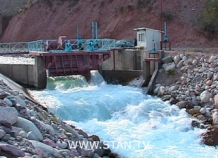
DUSHANBE, February 25, 2013, Asia-Plus — Consultations to discuss construction of small hydropower plants in Tajikistan will take place in Dushanbe on February 27.
Organized by the Ministry of Energy and Industries (MoEI), the OSCE office in Tajikistan and the Small Hydropower Plants Development Program, the event is reportedly dedicated to the Day of Small Power Plants of Tajikistan.
According to the MoEI press center, the consultations will focus on construction of small hydropower plants in the country, problems existing in this sphere as well as prospects of development of small hydropower in Tajikistan.
A concept of attraction of investments for construction of small hydropower plants in Tajikistan will be presented during the consultations.
The MoEI says fourteen new small power plants are currently being constructed in Tajikistan.
282 small hydropower plants with a total capacity of 25,200 kW have been reportedly built in the country over the years of independence. 17 small hydropower plants with a total capacity of nearly 1,900 kW were built in Tajikistan last year.
Meanwhile, the Agency for Statistics under the President of Tajikistan notes that there were 305 small hydropower plants with a total capacity of more than 25,500 kW in the country as of February 1, 2013. Of those 305 small hydropower plants, only 202 with a total capacity of more than 19,800 kW are operational, while the remaining 103 with a total capacity of some 5,700 kW are not in operation, the Agency for Statistics said.
According to the report,
Tajikistan’s Winter Energy Crisis: Electricity Supply and Demand Alternatives
, released by the World Bank in November 2012, Tajikistan’s electricity system is in a state of crisis. Approximately 70% of the Tajik people suffer from extensive shortages of electricity during the winter. These shortages, estimated at about 2,700 GWh, about a quarter of winter electricity demand, impose economic losses estimated at over US$200 million per annum or 3% of GDP. In addition to the financial costs of inadequate electricity, the Tajik people suffer the social costs as well, including indoor air pollution from burning wood and coal in homes and health impacts from extreme winters. The electricity shortages increased considerably in 2009 when Tajikistan’s energy trade with neighboring countries through the Central Asia Power System (CAPS) stopped; combined with continued aging of Tajikistan’s power generation assets, the situation has become worse. The electricity shortages have not been addressed because investments have not been made in new electricity supply capacity and maintenance of existing assets has not improved. The financial incentive for electricity consumers to reduce their consumption is inadequate as electricity prices are among the lowest in the world.
