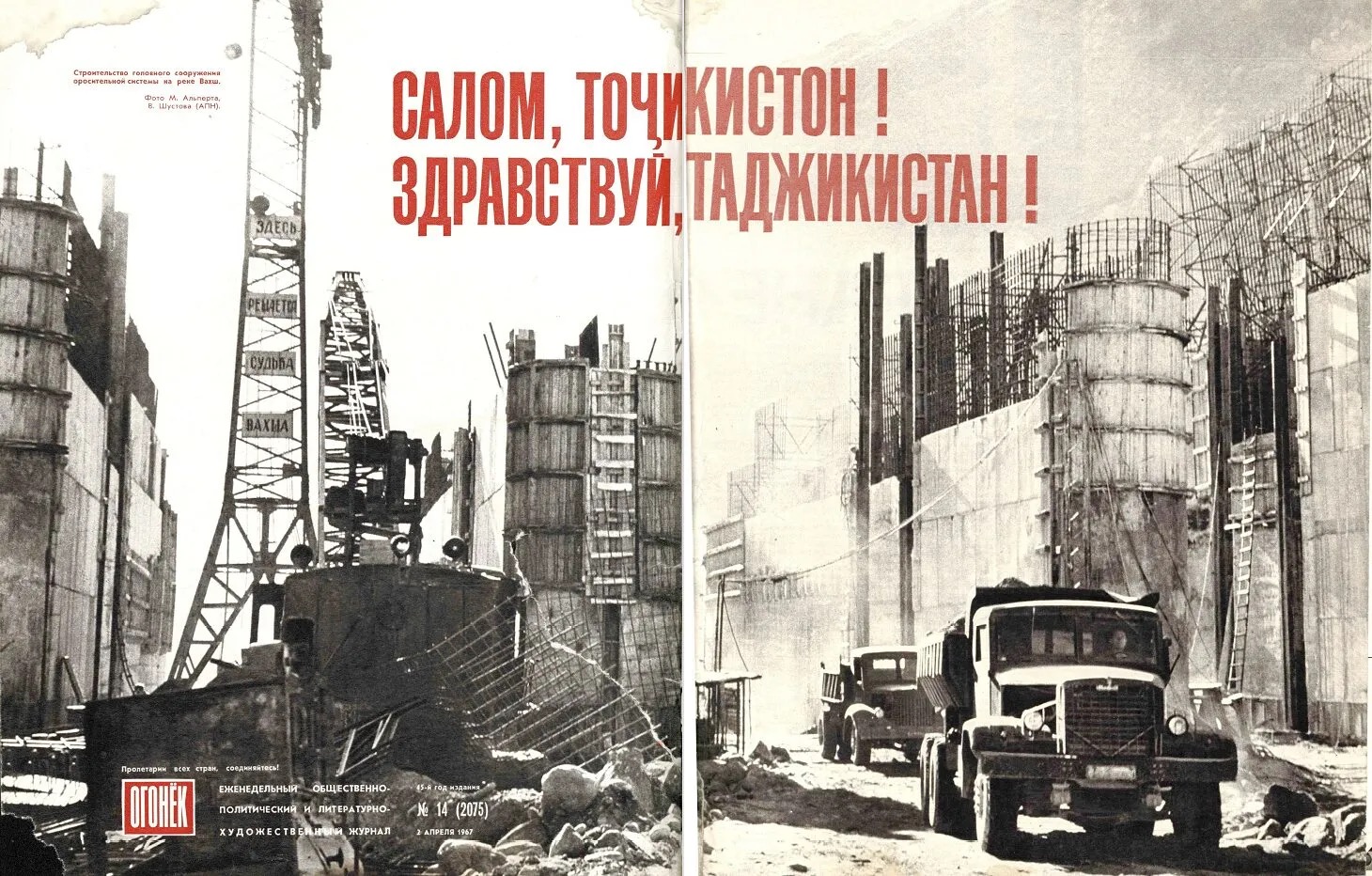
How the Energy Industry Began in Tajikistan 100 Years Ago

We have prepared a historical photo series for you.

Gafour Shermatov, especially for Asia-Plus

100 years ago – on April 15, 2026, in Dyushambe, as the capital of Tajikistan was then called, a remarkable event occurred: the first diesel power station with a capacity of 78 kW was put into operation, and the city received electricity for the first time in its history.
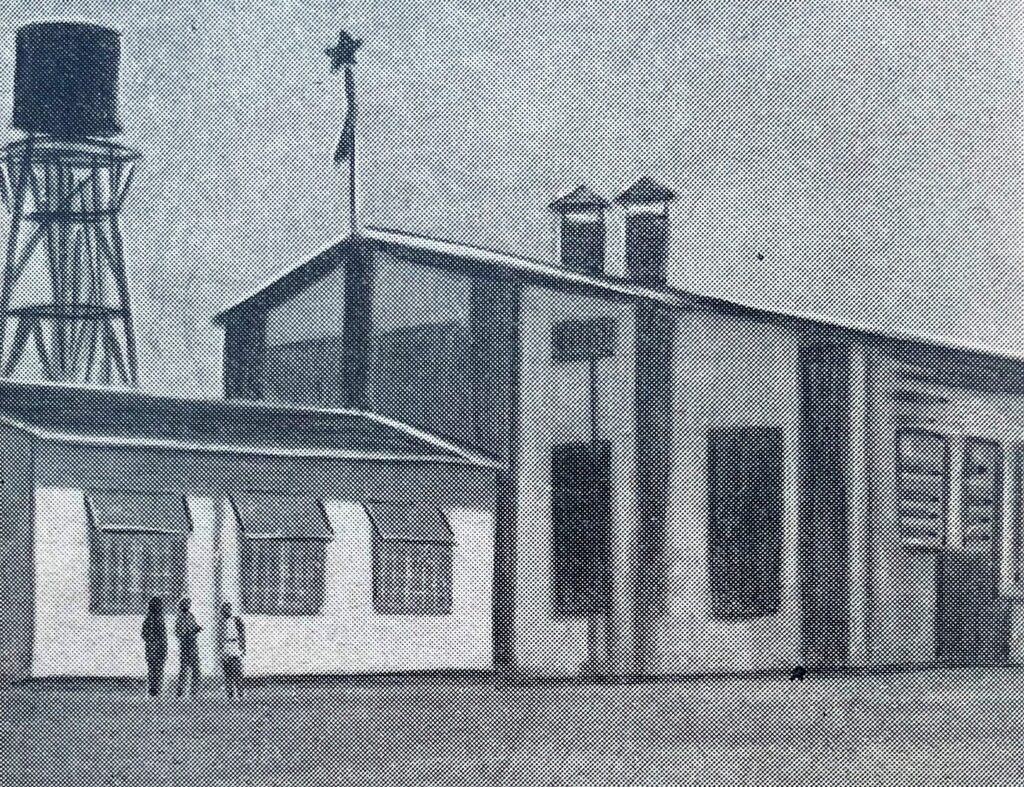
Dyushambe (Dushanbe) 1926, the first diesel power station with a capacity of 78 kW in the Tajik Autonomous Soviet Socialist Republic.

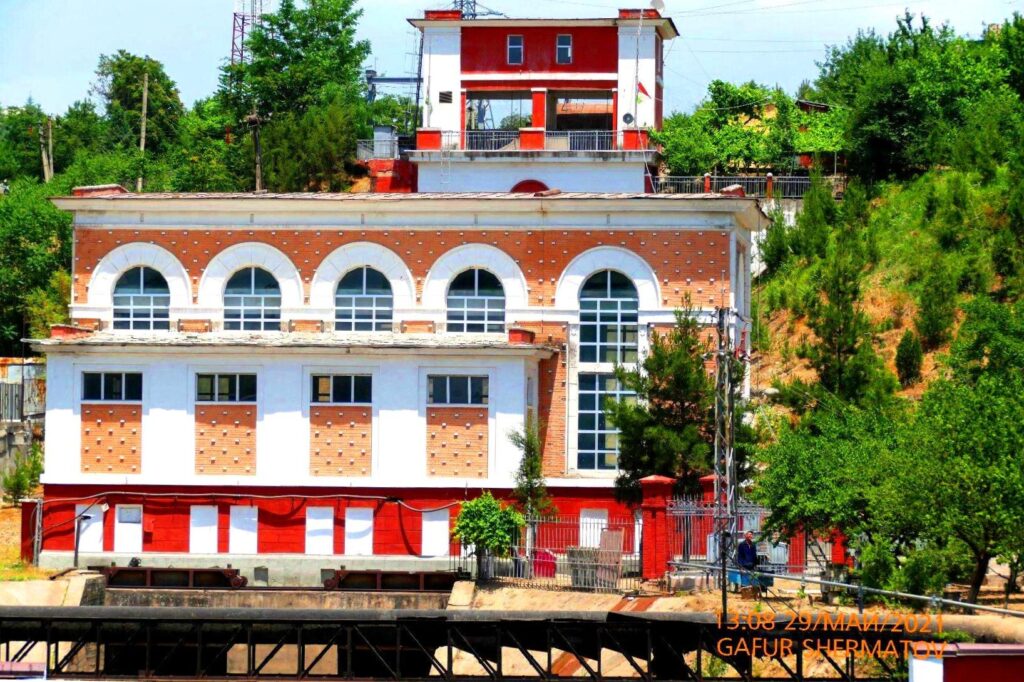
Following Dushanbe, in the second half of the 1920s, communal diesel power stations were put into operation in the district centers of the republic. The first use of the republic’s hydropower resources was marked by the construction of the Upper Varzob Hydroelectric Power Station and subsequent ones in the Varzob Cascade, HPP-2 and HPP-3.
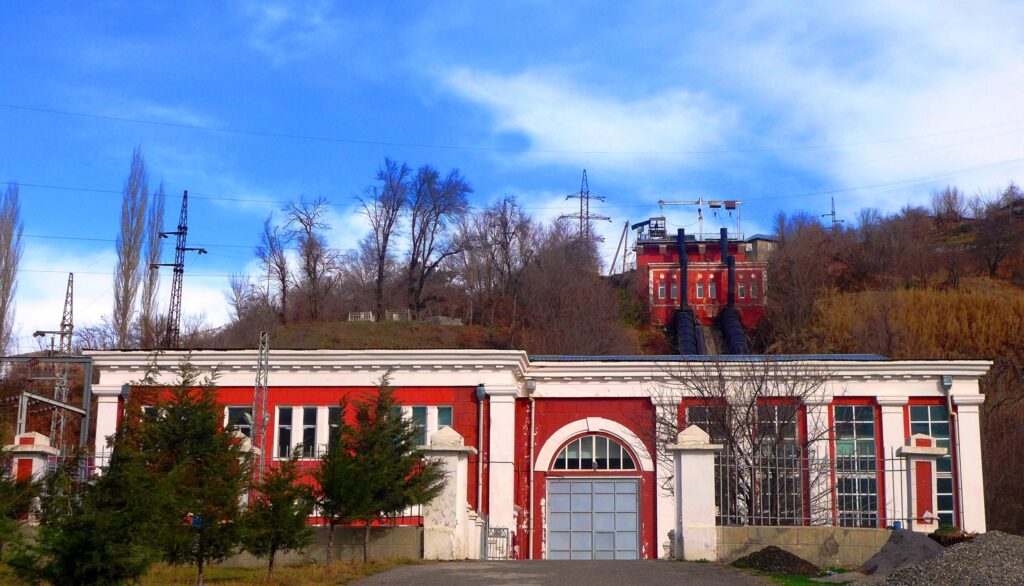
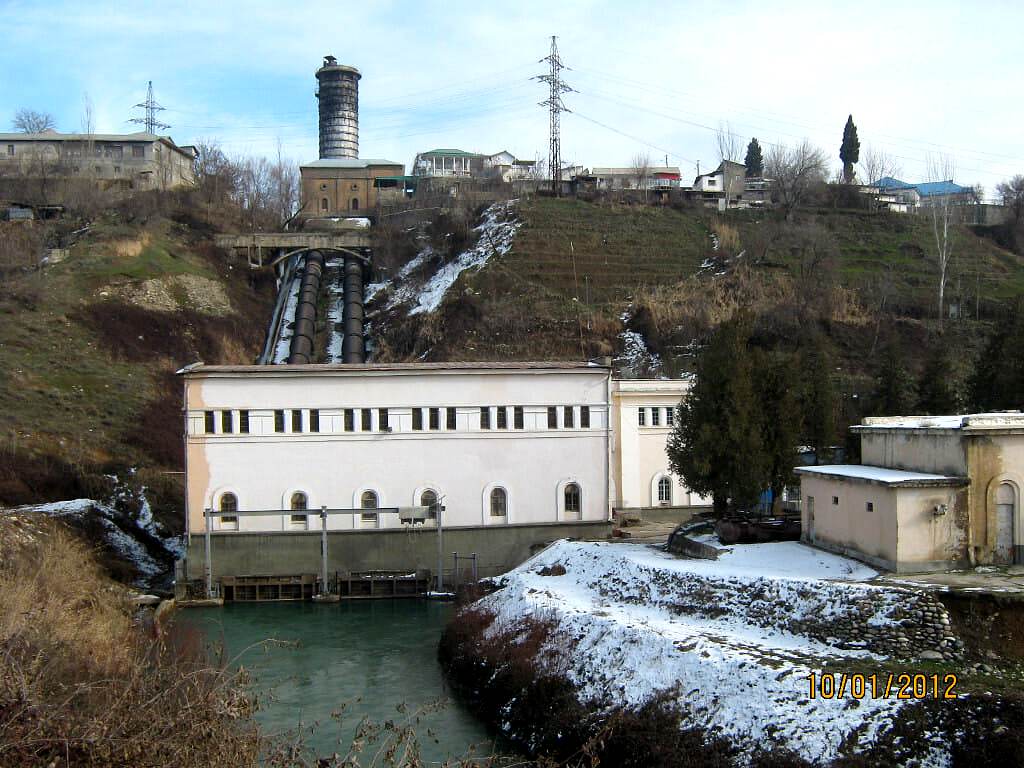
In the 1950s-1970s, the construction of large hydroelectric power stations on the Syr Darya and Vakhsh rivers began – these are the Kayrakkum Hydroelectric Power Station “Friendship of Peoples” and the “Vakhsh Cascade of HPPs”.
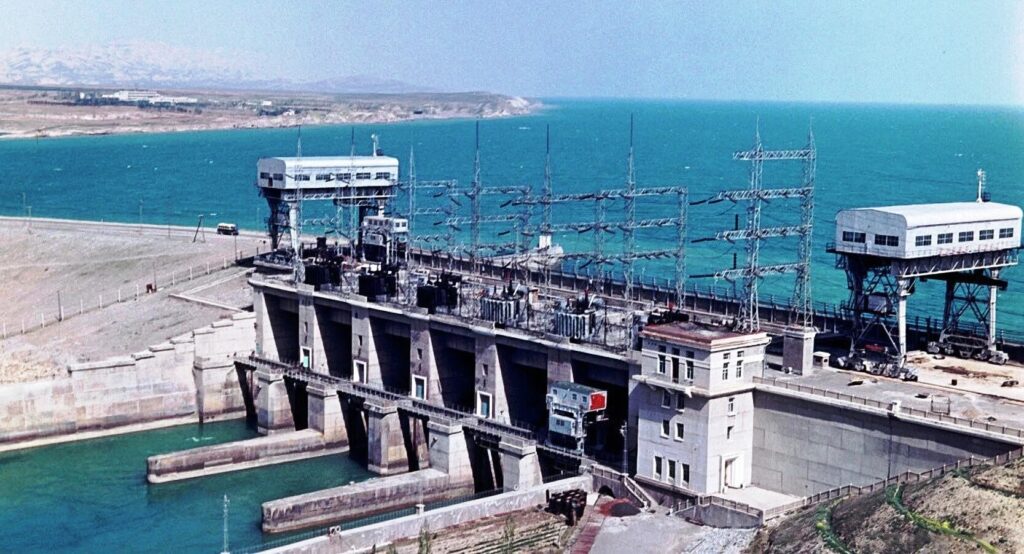
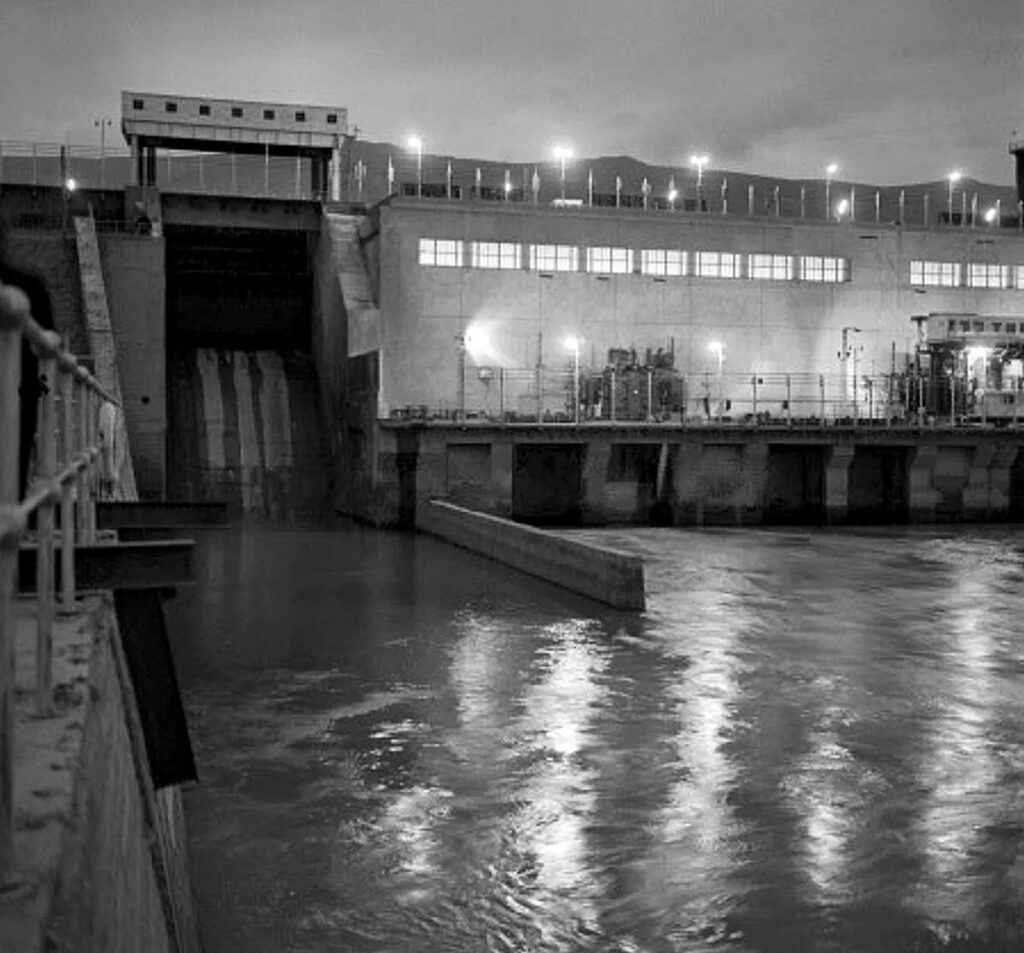
Kayrakkum HPP “Friendship of Peoples” on the Syr Darya River

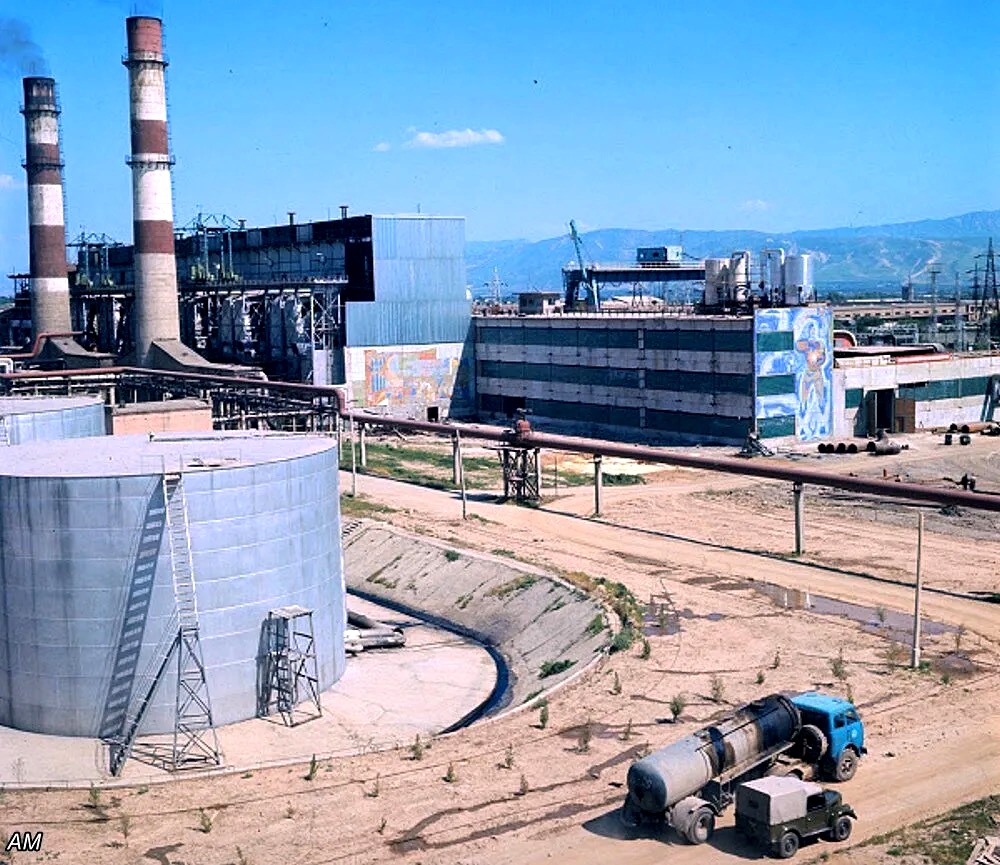
The Dushanbe and Yavan thermal power stations were built.
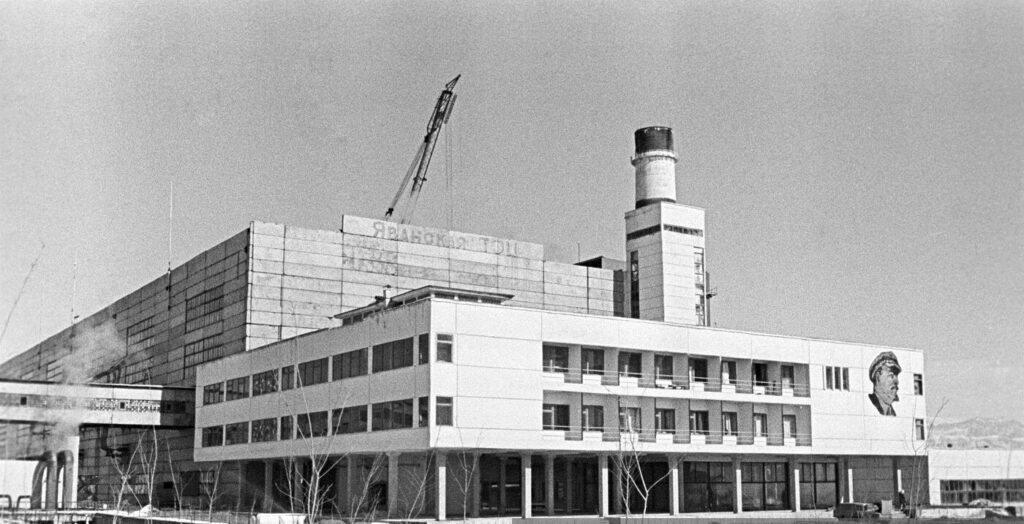
In September 1979, the Nurek HPP, the largest in Central Asia, was put into industrial operation.
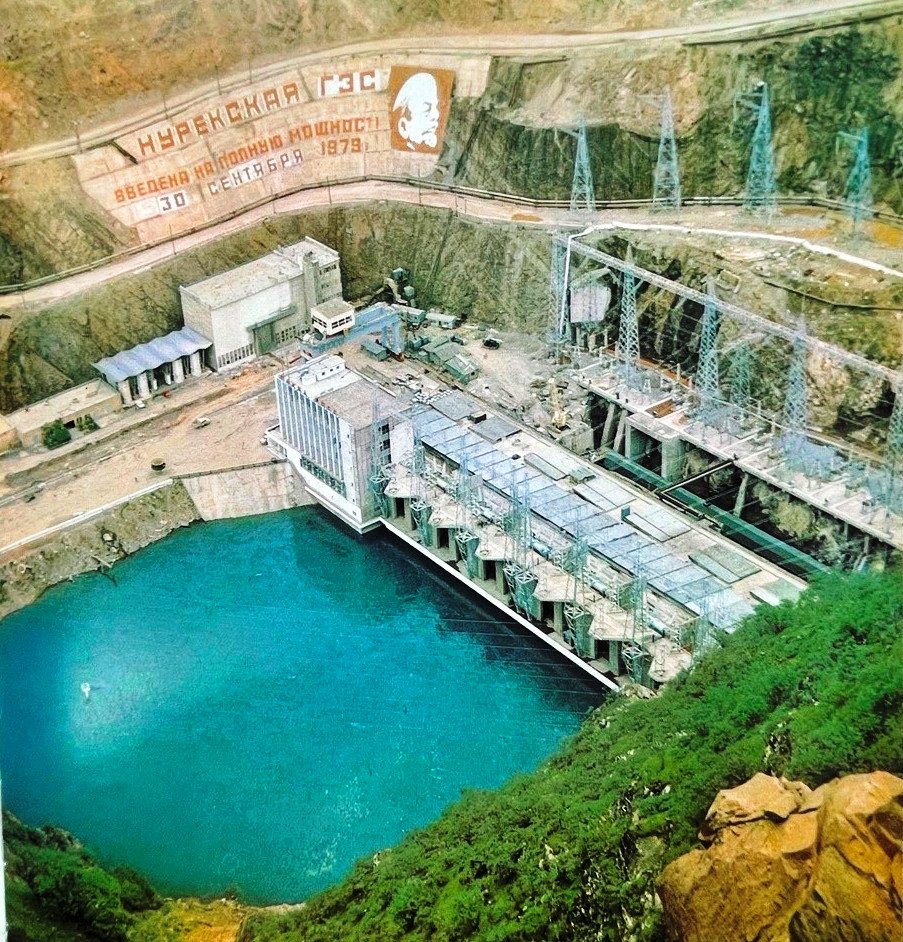
View of the Nurek HPP, inscription on the slope: Nurek HPP was put into full capacity on September 30, 1979. Photo by R. Netelev, 1980

In 1976, the construction of the Rogun HPP began. In the 1980s, the Baipazin HPP was put into operation.
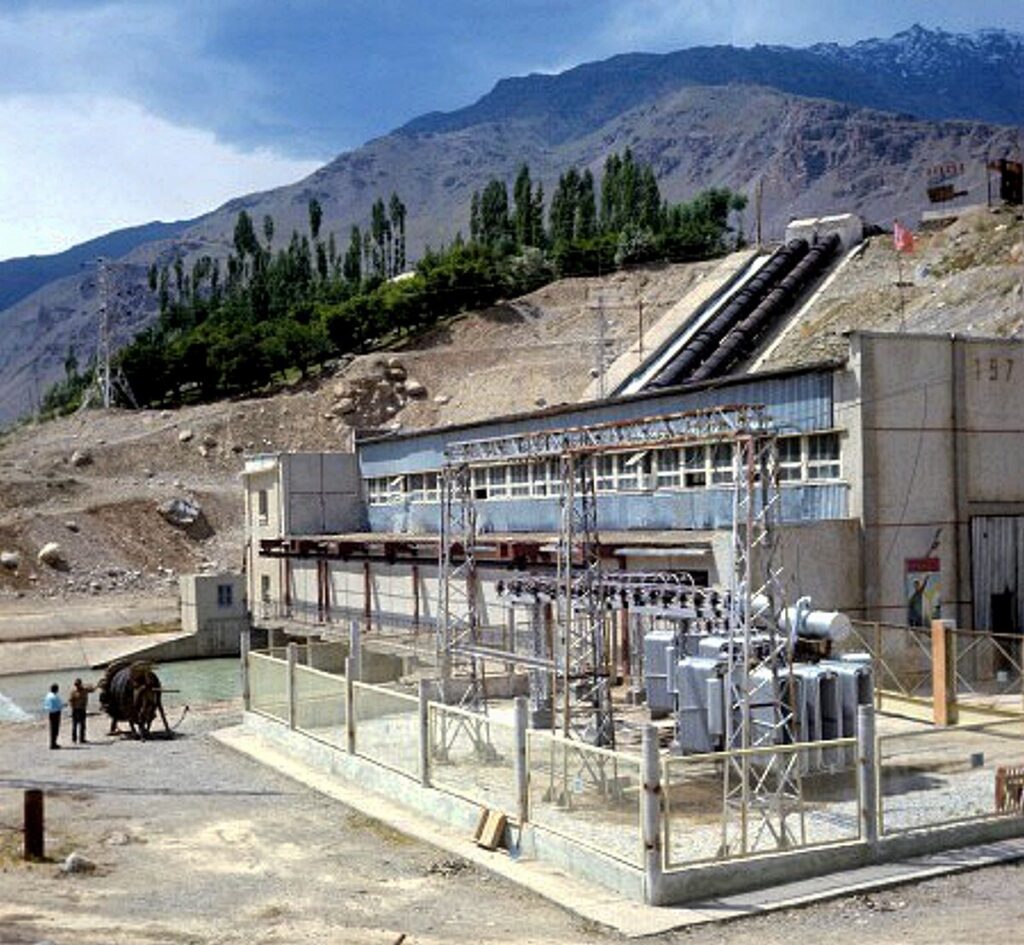
Khorog HPP named after V.I. Lenin. The HPP building houses five horizontal units of 2,000 kW each, 1975. Photo by R. Netelev

It should be noted that at the turn of the 1960s to 1980s, with comprehensive assistance from the Russian Federation and other fraternal republics of the USSR, Tajikistan achieved significant success in the construction of hydro and thermal facilities.
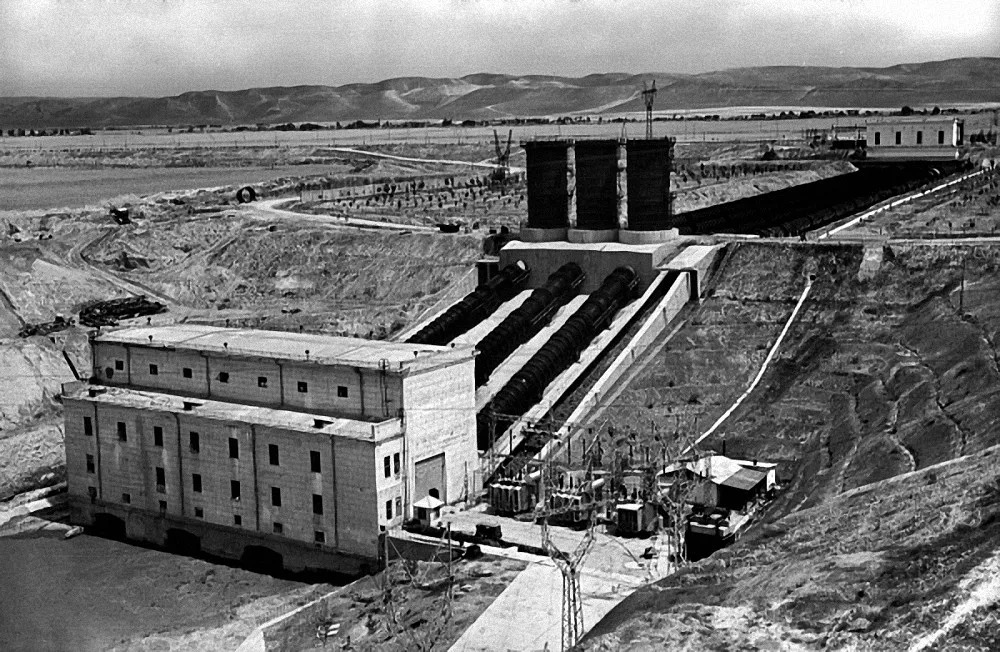
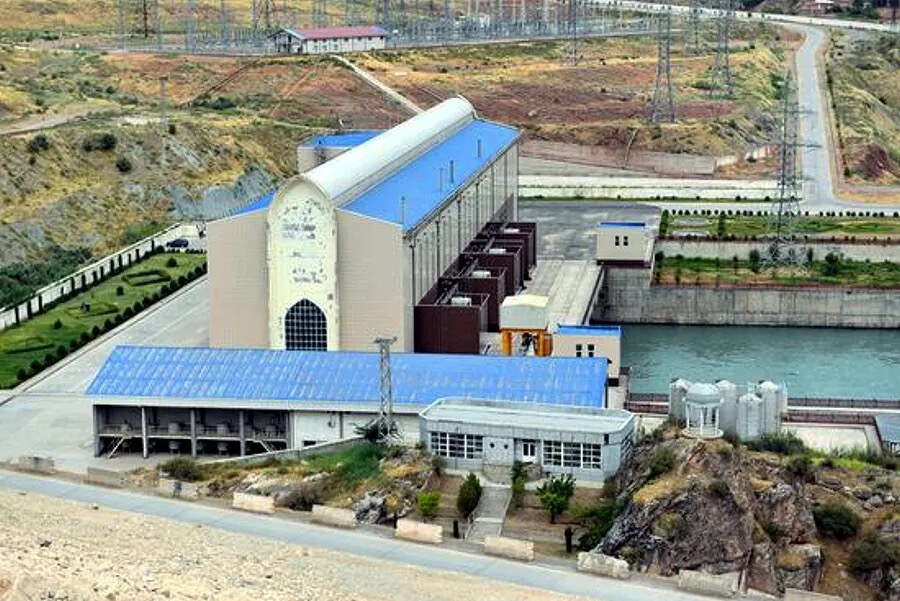
Perapadnaya HPP on the Vakhsh River is located near the town of Vakhsh in the Khatlon region, on the Vakhsh main channel, fed by the Vakhsh River, and is part of the Vakhsh Cascade of HPPs, being its seventh stage.

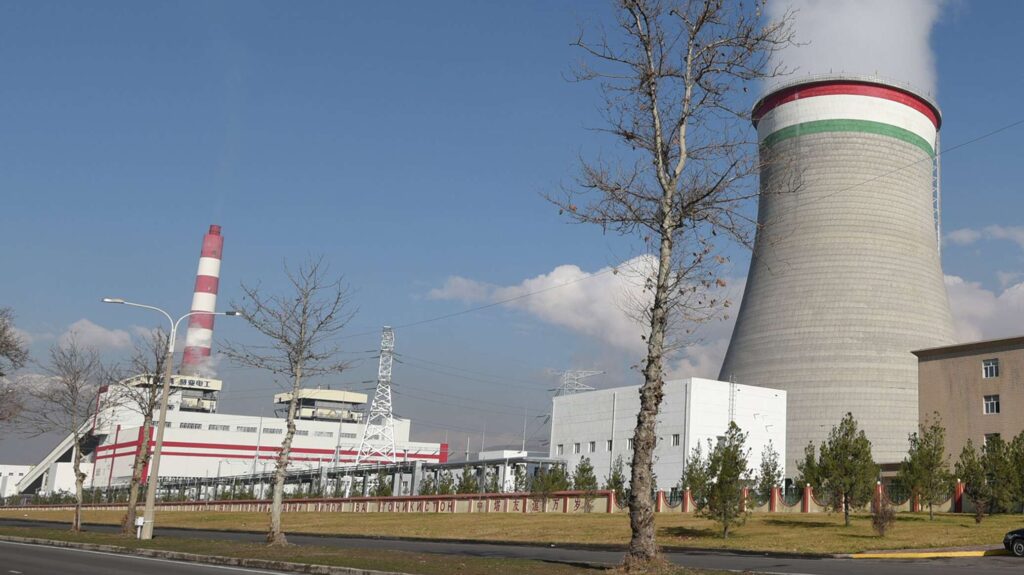
In the post-Soviet years, with the republic gaining independence, the issue of energy development in Tajikistan has been constantly in the focus of the government. Hundreds of small hydroelectric power stations have been built in the country, and the Sangtuda HPP-1 and HPP-2, as well as Dushanbe TPP-2, have been commissioned.
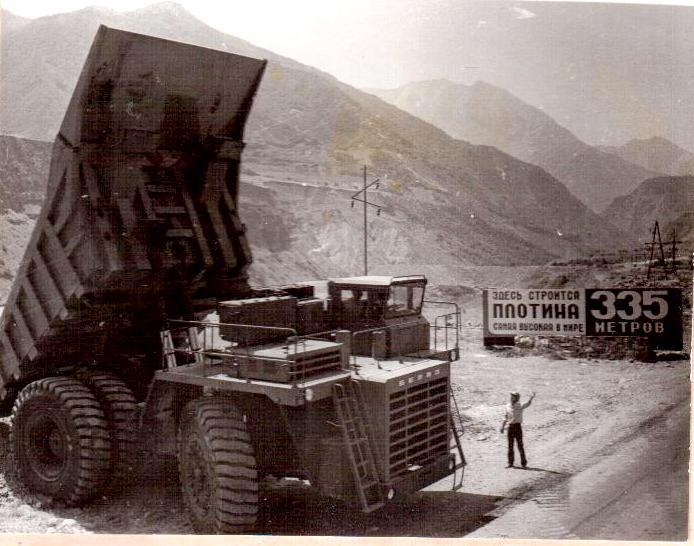
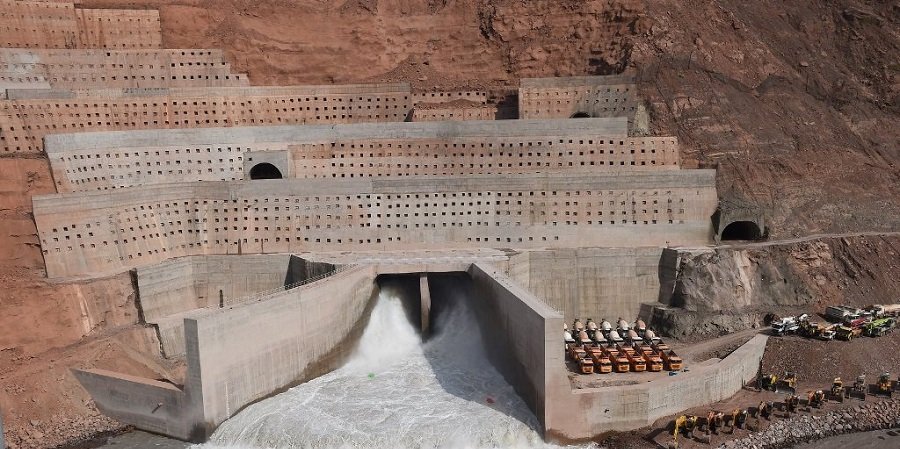
The construction of Rogun continues. This HPP will be able not only to fully meet its own electricity needs but also enable Tajikistan to sell energy to neighboring countries.
Article translations:

Related Articles

Оби зулол

Most Read

Join us on social media!

Recent Articles

Emomali Rahmon accepted the credentials from new ambassadors

Nine countries have sent new diplomats to Tajikistan.

Russia evacuated 27 Tajikistan citizens from Iran

They worked at the Bushehr nuclear power plant, built by the Russian Federation in Iran.

Baku to host WUF13: shaping the future of sustainable urbanization

Baku, the capital of Azerbaijan, is set to host...

Tajikistan and Belarus to establish a joint laboratory for radiation monitoring and nuclear safety

An agreement was signed by the Tajikistan Agency for Nuclear and Radiation Safety and the Belarusian National Technical University.

Former Press Secretary of Emomali Rahmon Sent a Letter to the President Requesting Support for Media Workers

Zafar Sayidzoda believes it is necessary to establish a Media Support Fund, which should operate in the interests of all media — both state and private.

Neither War nor Peace: What Will Be the Next Step for Iran and the US After the Failure of Negotiations?

Tajik experts say that Iran has another leverage that could pose a serious threat to the Trump administration.

In Dushanbe, a criminal group issuing SIM cards and bank cards to fictitious persons was exposed

Through illegally issued plastic cards, the suspects were withdrawing money from an online casino game.

The eKhonish program, an analogue of eDonish, launched in Bokhtar

Now parents and education representatives will be able to remotely monitor students' attendance and academic performance.

#AP30/Experts. Rashid Ghani Abdullo: “Asia-Plus” has become a brand of Tajikistan

A well-known Tajik political scientist expressed his opinion on the role of our media in the informational space of the country and the region.

How did Sadriddin Ayni live? We created a video reconstruction

Today marks the 148th anniversary of the great writer, scholar, and public figure of Tajikistan.