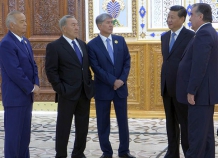
Tajik leader proposes to set up economic growth zones within the SCO area

DUSHANBE, September 12, 2014, Asia-Plus – In a statement released at the Shanghai Cooperation Organization (SCO) summit in Dushanbe, Tajik President Emomali Rahmon noted on September 12 that the SCO member nations should form common economic interests. “Chinese president’s initiative to build the Silk Road economic belt deserves support.  In this context, the issue of […]

Asia-Plus

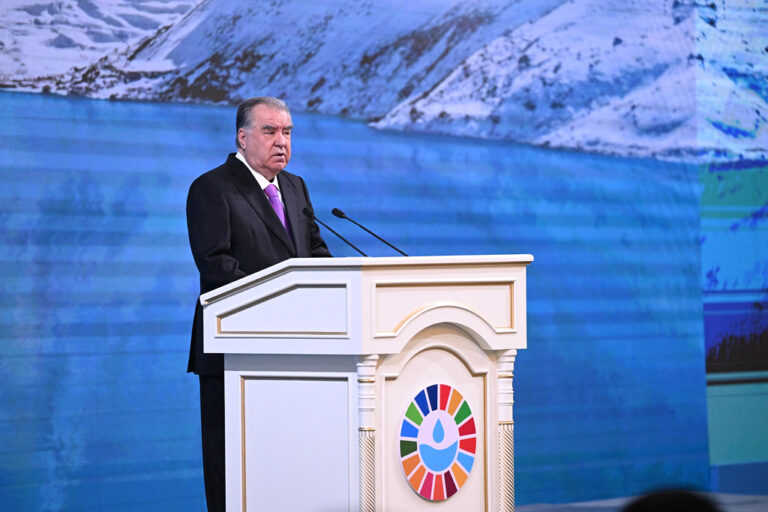
DUSHANBE, September 12, 2014, Asia-Plus – In a statement released at the Shanghai Cooperation Organization (SCO) summit in Dushanbe, Tajik President Emomali Rahmon noted on September 12 that the SCO member nations should form common economic interests.

“Chinese president’s initiative to build the Silk Road economic belt deserves support.  In this context, the issue of developing the transportation network within the SCO area and providing free movement of commodities trough the whole area of the Organization assumes significance,” Rahmon said.

He proposed to study the issue of expediency of setting up economic growth zones within the SCO area.  “Such zones could include industrial and technological parks, traffic centers, as well as scientific and educational centers,” Rahmon said.

Tajik leader believes that time is ripe for creation of conditions for active attraction of investments for enhancement of promising sectors such as energy, mining, light industry, and food industry.   
Article translations:

Related Articles

Оби зулол

Most Read

Join us on social media!

Recent Articles

Ministry of Defense: Spring Draft Plan in Tajikistan Completed by 80%

The conscription plan has already been fully implemented in GBAO and Dushanbe.

Which Teachers in Tajikistan Are Exempt from Military Service, and Which Are Not

A lawyer says there is a contradiction between the laws "On the Status of a Teacher" and "On Military Duty and Military Service" regarding the deferral of teachers' conscription.

Talks in Islamabad at Risk: Parties Escalate Rhetoric and Continue Exchanging Blows

A two-week ceasefire agreement proved fragile after Iran once again closed the Strait of Hormuz in response to Israeli attacks in Lebanon.