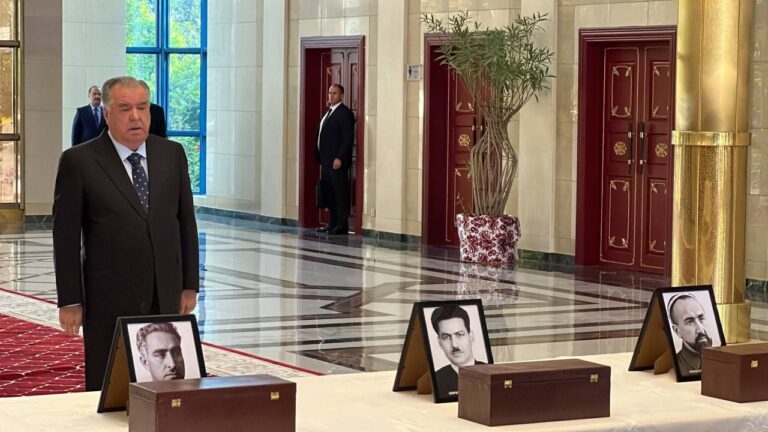
The President of Tajikistan, Emomali Rahmon, at a government meeting on May 28, instructed responsible structures to urgently stabilize the cement market amid rising prices and a shortage of products in certain regions. Relevant agencies must submit proposals to the government within a week to address the issue.
The main focus of the meeting was on the state of cement production and ensuring the domestic market is supplied with this product. It was noted that cement is one of the key materials for the development of infrastructure, industry, and construction, and its stable availability on the market holds significant economic and social importance.
According to data presented at the meeting, in recent years, with government support, the industry’s production capacity has significantly increased: whereas in 2014, about 300 thousand tons of cement were produced annually in the country, now the production volume exceeds 5 million tons per year.
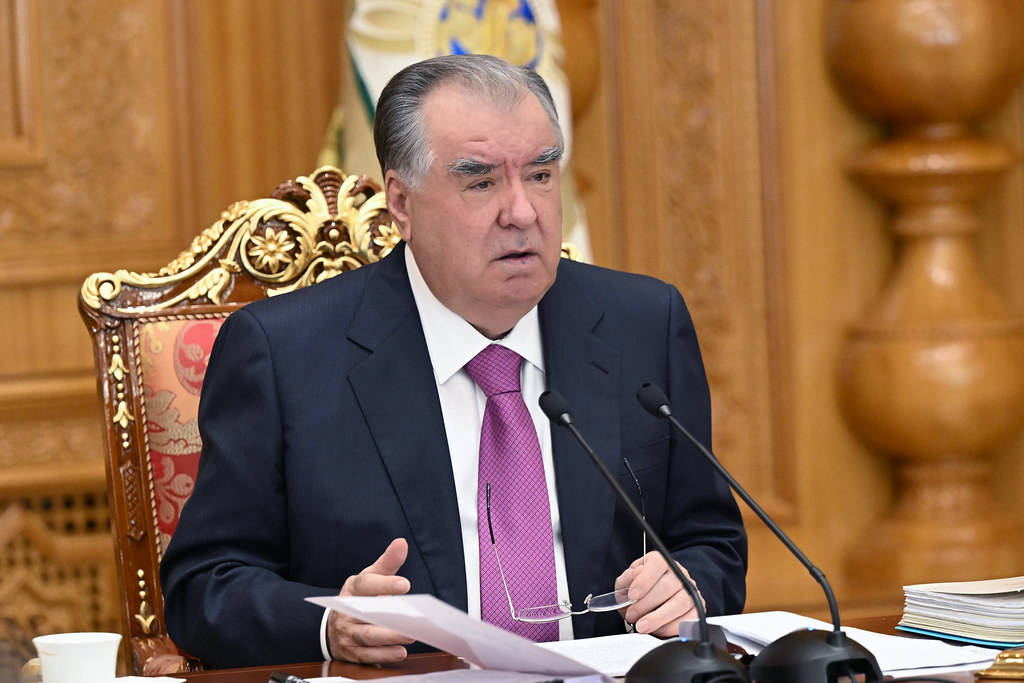
Despite this, the president pointed out the rise in prices and shortage of cement in some regions. The causes were identified as deficiencies in the coordination of enterprises, underutilization of production capacities, weak market regulation, and insufficient control over the activities of retail networks.
It was particularly noted that some enterprises were halted for repairs during the most active construction season. Additionally, the price increase in some cases was influenced by the activities of intermediaries and dealers.
Rahmon emphasized that the increase in cement prices could affect construction rates, housing costs, the implementation of social projects, and the development of the national economy.
Who did the president instruct to rectify the situation?
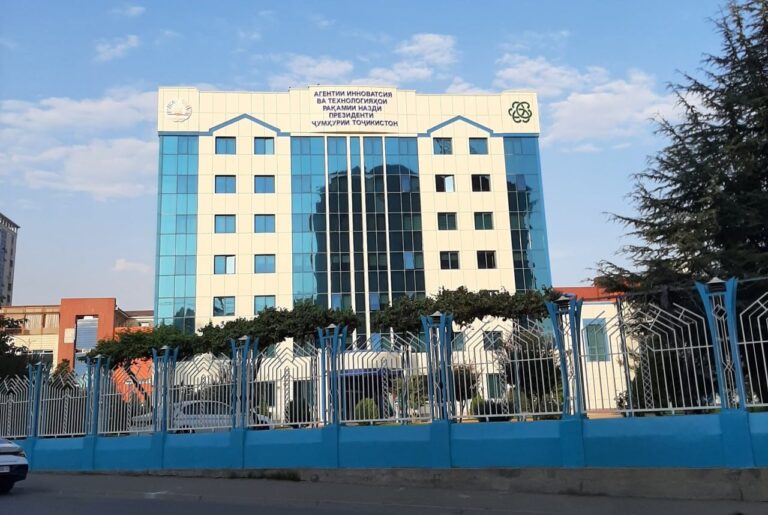
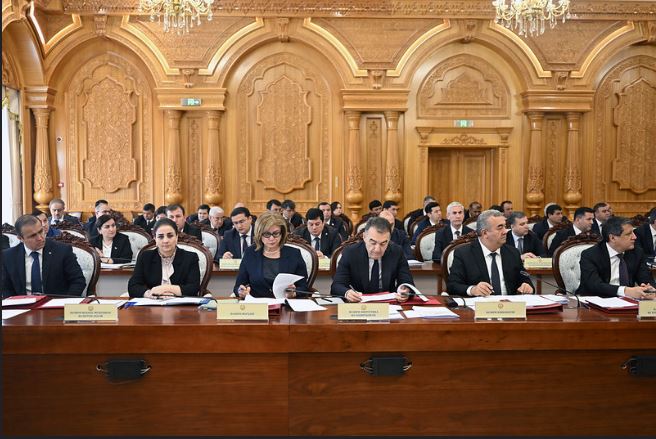
The Ministry of Industry and New Technologies was instructed to ensure full utilization of production capacities, coordinate the activities of enterprises, and consistently monitor the market. The Antimonopoly Service, in cooperation with other structures, was tasked with checking the activities of retail networks and intermediaries.
The Ministry of Economic Development and Trade, the Committee on Architecture and Construction, the Ministry of Energy, the Committee for Environmental Protection, the Main Directorate of Geology, the Ministry of Transport, and the State Unitary Enterprise “Rohi Ohani Tojikiston” also received assignments. They are to take measures to ensure a stable market supply, develop production, improve logistics, provide electricity, and comply with environmental requirements.
The Agency for State Material Reserves and the “Tojikmatlubot” society were instructed to organize the purchase of cement from manufacturers and the sale of products in remote areas.
The president also demanded to curb cases of artificial price increases for cement by intermediaries and traders.
What is happening in the cement market?
Previously, “Asia-Plus” reported that in Tajikistan cement prices sharply increased and a shortage of products arose in several regions.
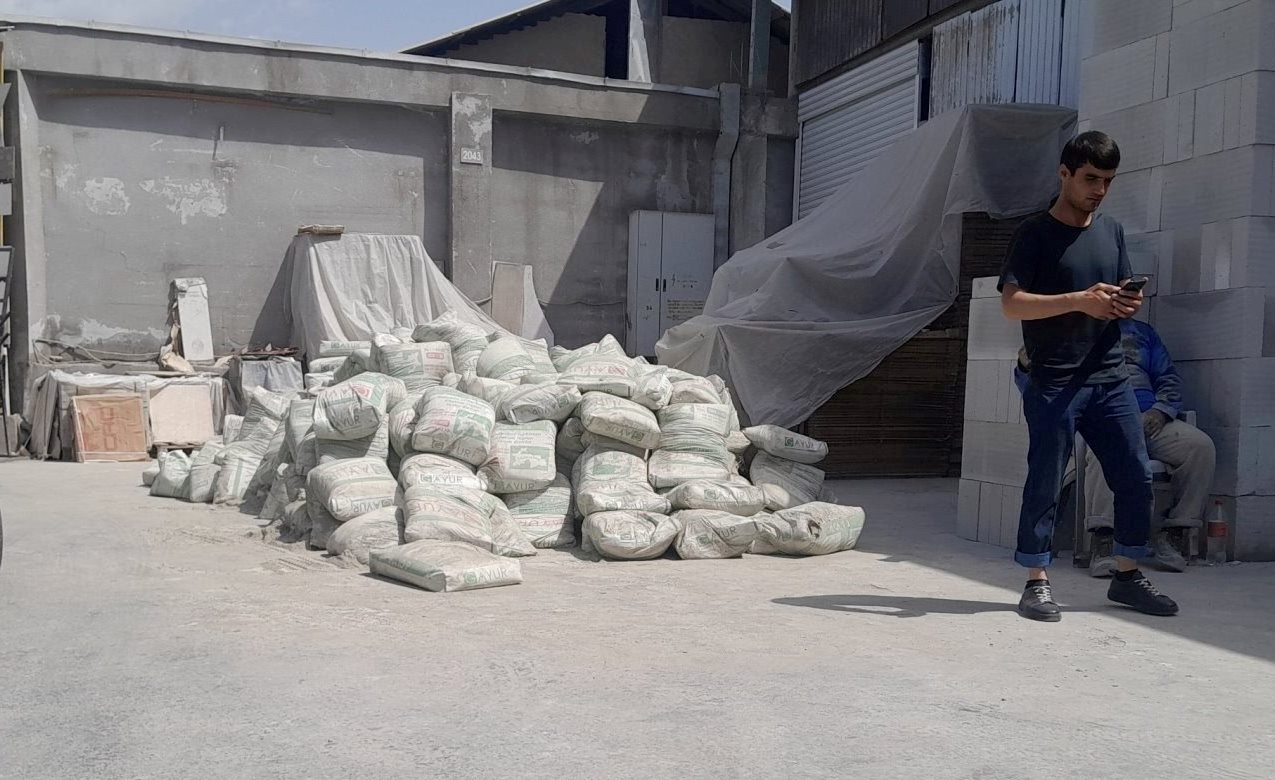
In Dushanbe, over a week, the price of a 50-kg sack of cement rose from approximately 50 to 70–75 somoni. On construction material markets, cement appears irregularly, often in limited quantities and only in the first half of the day. Some retail outlets are left without any goods.
In the Khatlon region, sellers also reported supply disruptions. According to them, a 50-kg sack of cement produced by Huaxin Gayur Cement and Jung-Tsai Mohir Cement enterprises has increased to 75–80 somoni, and the products of “Tajikcement” and “Khatlon” to 65–70 somoni. Meanwhile, just a month ago, cement in the region was significantly cheaper.
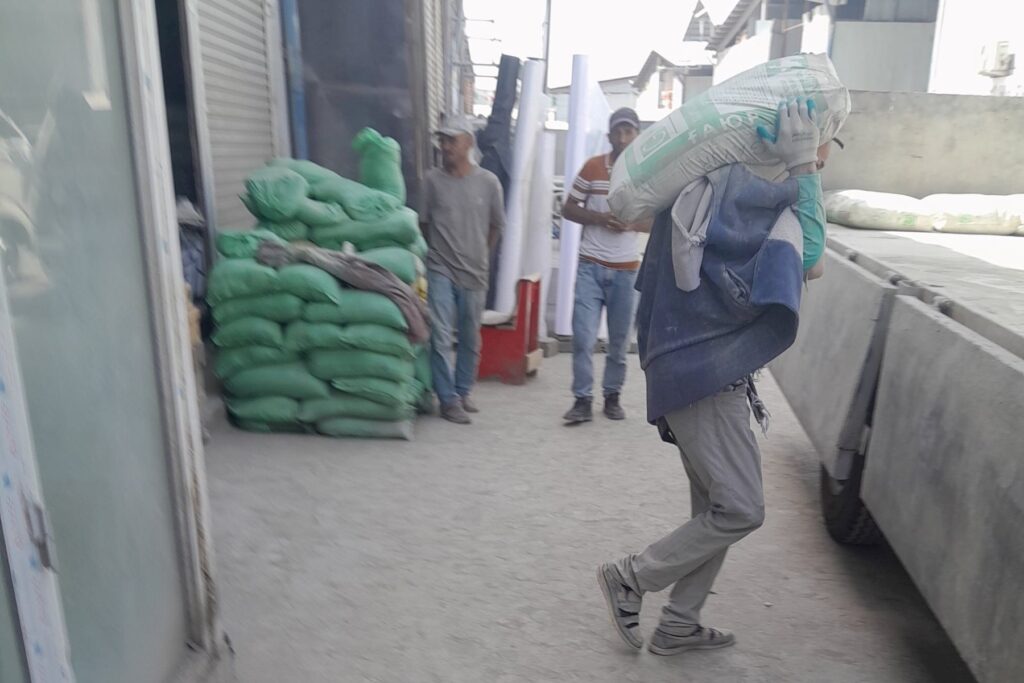
In the Sughd region, according to sellers at the Barakat construction market in Khujand, a 50-kg sack of cement, depending on the manufacturer and brand, sells for approximately 67–85 somoni. Supplies to retail outlets have decreased, and prices for local and imported cement have nearly equalized.
The situation is particularly difficult in GBAO’s capital, Khorog, where, according to residents, there has been almost no cement on the markets for about a month. Even if separate batches arrive in the city, they are often sold directly from warehouses or trucks. Local residents suggest that the price for a 50-kg sack of cement could approach 90 somoni.
Market participants associate the shortage and price increase with repairs at individual cement plants, high construction demand within the country, reduced regional supplies, and increased exports to Afghanistan. Manufacturers stated that they did not significantly raise wholesale prices, and the retail price increase might be linked to the activities of intermediaries and dealers.
We will report on how the situation changes following the president’s instructions in a week.