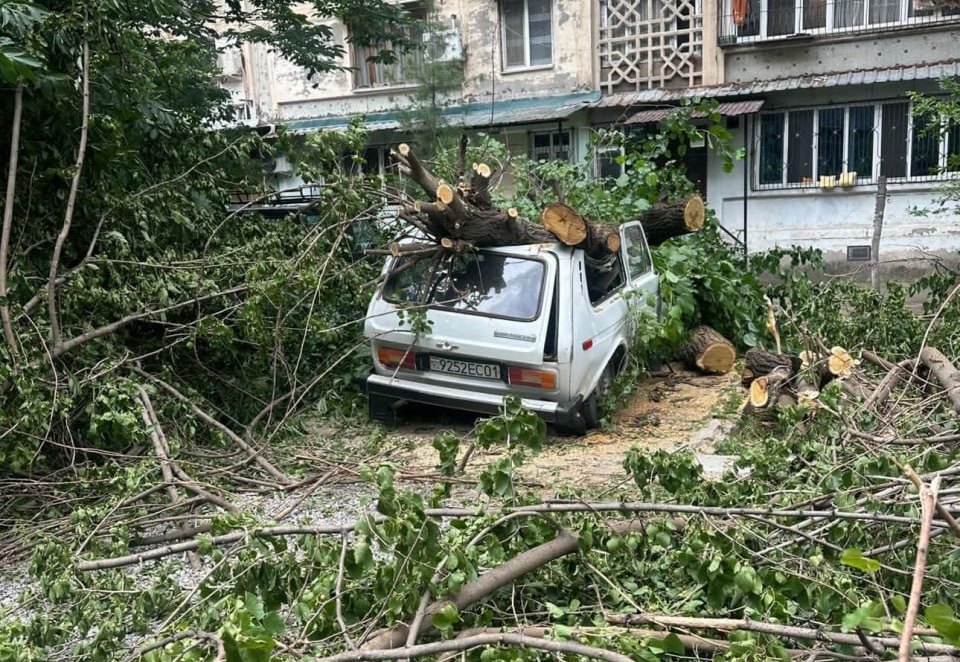
The hurricane-force wind on May 27 in Dushanbe toppled trees, damaged roofs of multi-story buildings and several cars. The consequences of the bad weather were also recorded in the Sughd Region, Vahdat, Hisor, Rudaki, Sangvor, and GBAO.
According to the Committee for Emergency Situations of Tajikistan, in the Ismoili Somoni district of the capital, 5 trees, roofs of 5 buildings, and the facade of the Communications Service building were damaged.
In the Sino district, the wind toppled or damaged 8 trees, partially damaged roofs of 3 buildings, and 3 passenger cars.
In the Firdavsi district of Dushanbe, 3 trees, roofs of 4 buildings, as well as roofs of the Training Center and the military unit of the State Committee for National Security were damaged.
In the Shohmansur district, 6 trees were toppled.
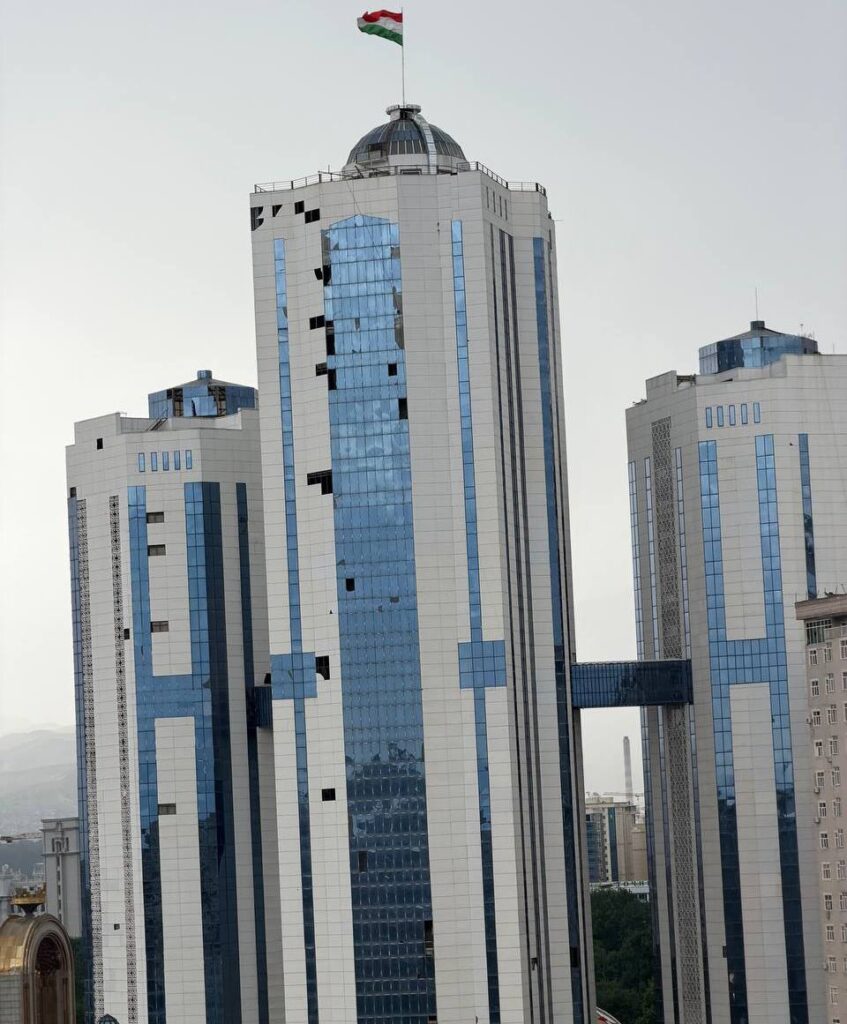
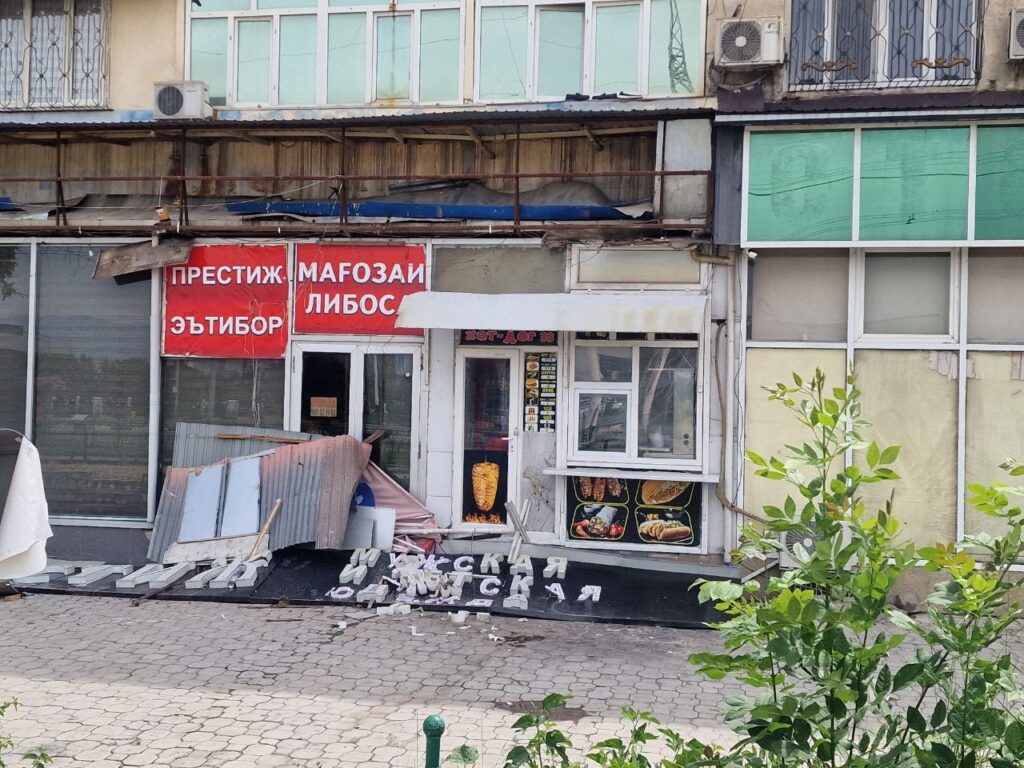
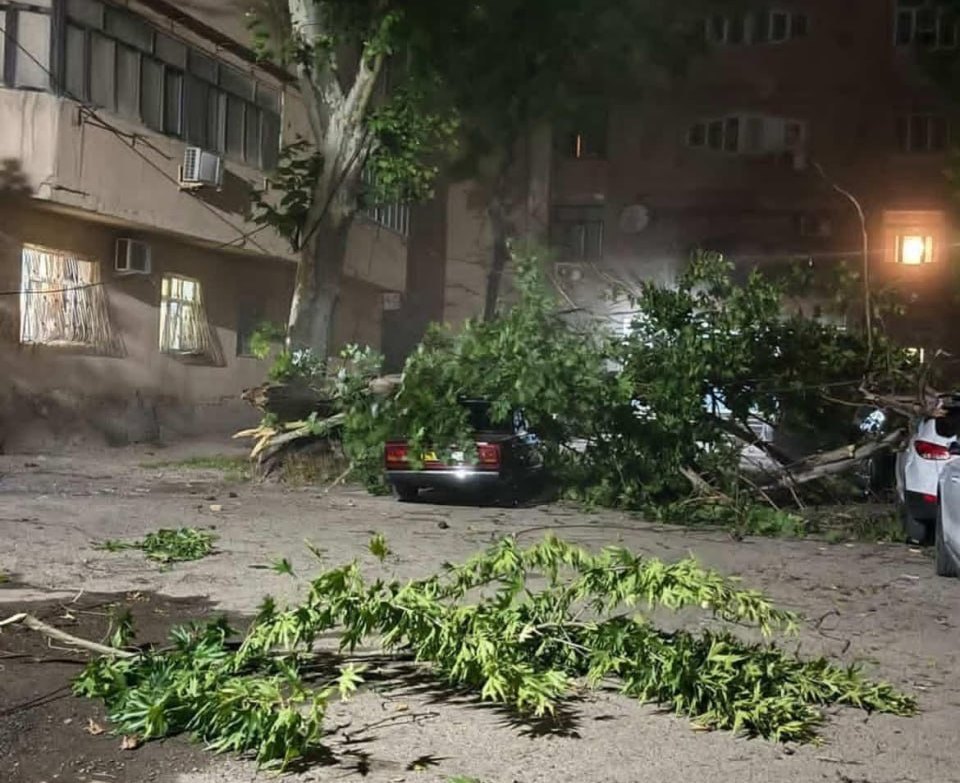
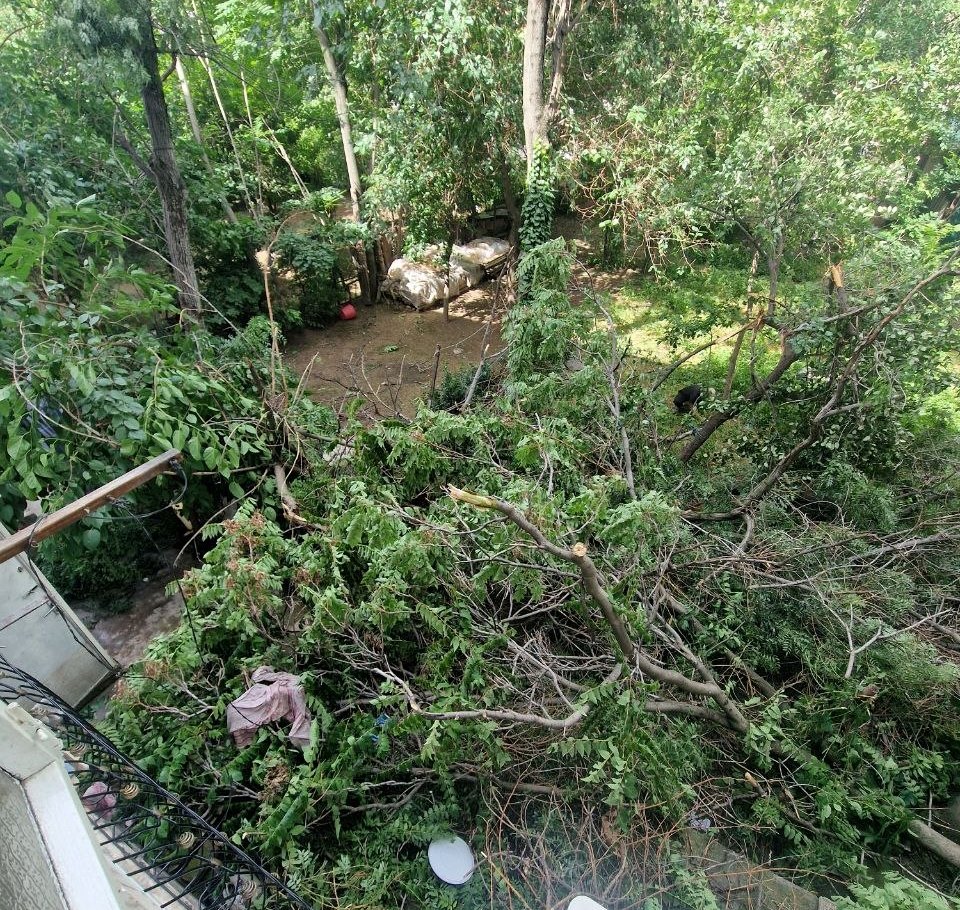
To eliminate the consequences of the disaster in the capital, rescuers from the Special Rapid Response Rescue Unit of the Committee for Emergency Situations in Dushanbe, utility services, energy workers, and other relevant structures were involved.
There are no casualties or injured in Dushanbe.
What happened in the regions
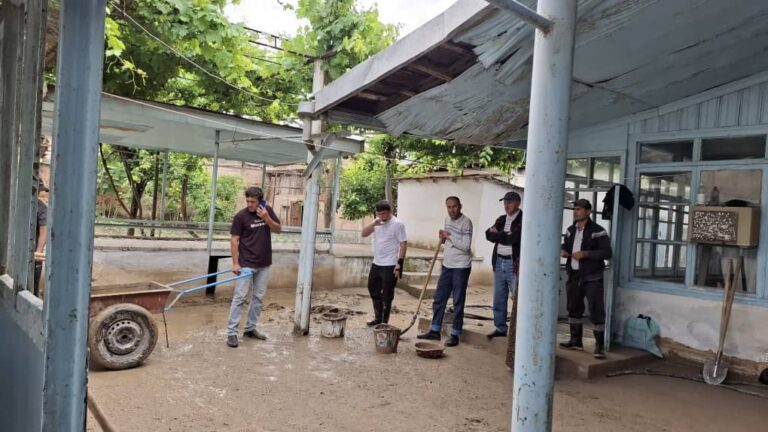
According to the agency, in the Sughd Region, due to prolonged precipitation and mudflows, the Asht district, Panjakent, and the Ayni district were affected.
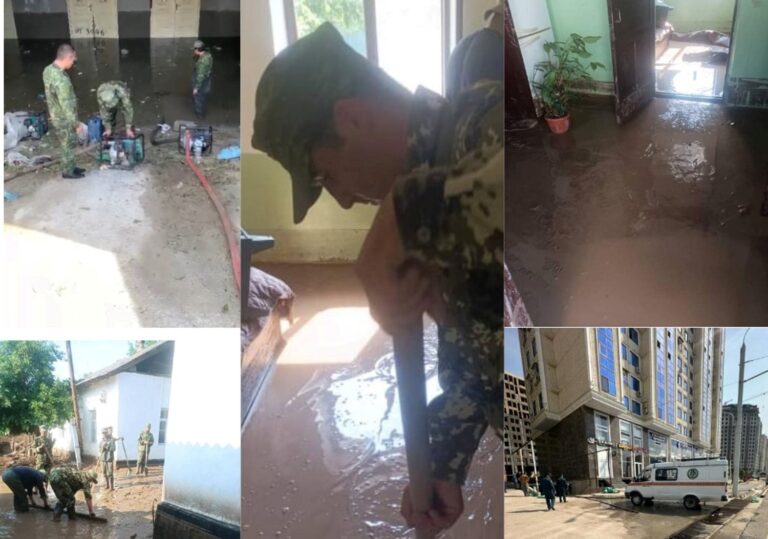
In the village of Apponi, Oshobai Bolo jamoat of the Asht district, water and mud penetrated into 36 basement premises of residents’ auxiliary buildings. Efforts to eliminate the consequences continue with the participation of the district emergency commission, local services, and the population.
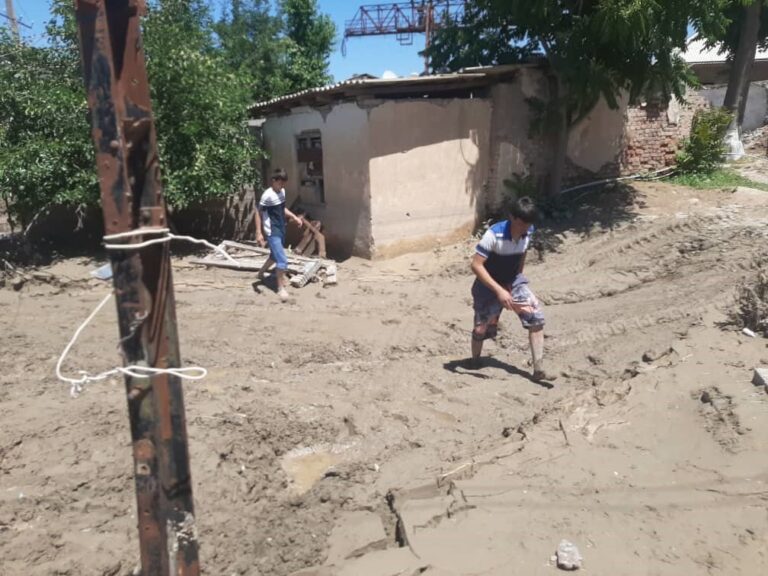
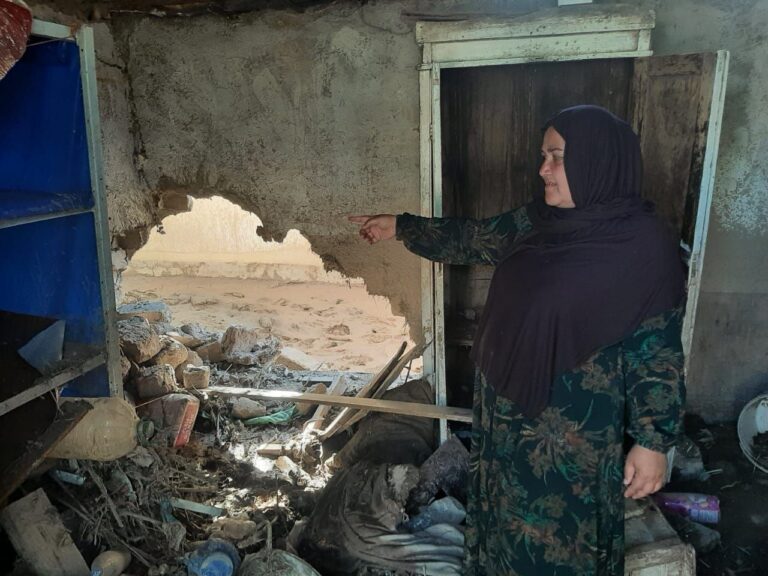
In Panjakent, mudflows damaged residential houses, roads, power lines, drinking water supply systems, irrigation networks, and agricultural lands.
According to the Committee for Emergency Situations, in Panjakent, 26 residential houses were completely damaged, and 1 house partially. Additionally, 34 auxiliary structures, 2 kilometers of roads, 13.2 km of irrigation networks, power lines, a drinking water supply line, and 70 hectares of agricultural land were affected.
Traffic on the Panjakent — Ayni highway was temporarily suspended but then fully restored. Engineering equipment, road services, energy workers, employees of the Committee for Emergency Situations, and local residents were involved in the work.
In the Ayni district, in the village of Piyon, Fondaryo jamoat, a large stone damaged one auxiliary structure. There are no casualties.
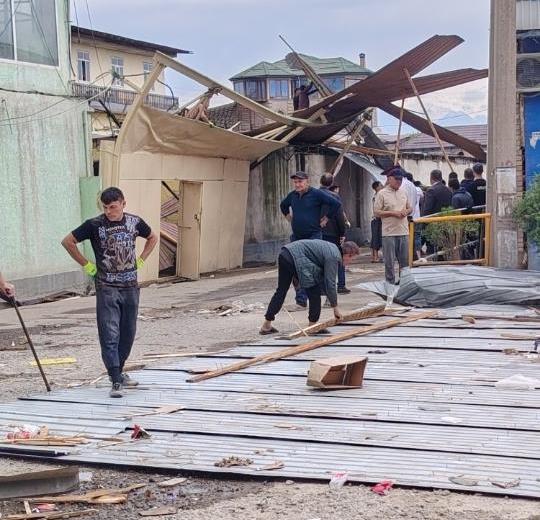
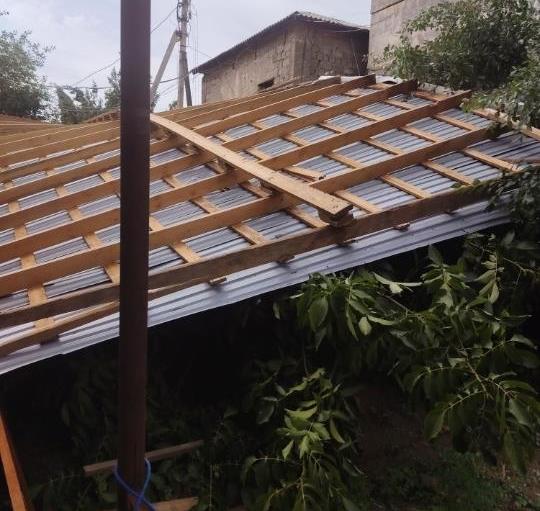
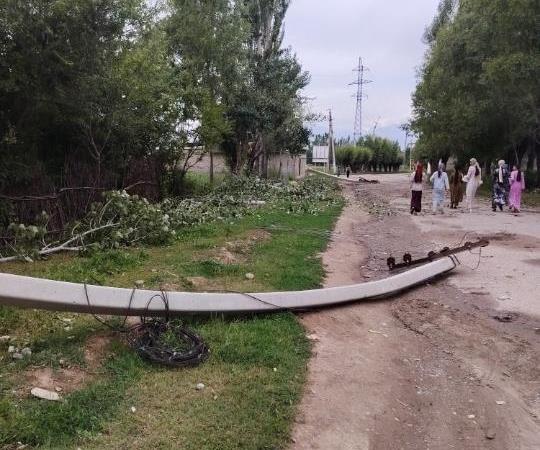
Vahdat, Hisor, Rudaki, and Sangvor
In the districts of republican subordination, the consequences of the bad weather were recorded in Hisor, Rudaki, Vahdat, and Sangvor.
In Hisor, strong winds damaged trees, residential houses, auxiliary structures, power lines, and poles. Restoration work continues with the involvement of power grid employees, utility services, local residents, and units of the Committee for Emergency Situations.
In the Rudaki district, the wind also damaged buildings, trees, and power lines. Employees of the Committee for Emergency Situations, energy workers, representatives of local authorities, and residents are working on site.
In Vahdat, strong winds tore off the roofs of 4 multi-story buildings, temporarily blocking the Vahdat — Kulob highway. After involving engineering equipment, power grid employees, local authorities, and units of the Committee for Emergency Situations, traffic was restored.
Additionally, in the village of Dahana, Romit jamoat, a mudflow carried a Hyundai Elantra car into the Kofarnihon River. Another 5 cars were trapped in mud masses. Also, 2 electric poles were damaged, 2 head of cattle died, and the Vahdat — Romit highway was temporarily closed. Later, traffic was restored.
In Sangvor, due to heavy precipitation, the highway was temporarily blocked. Engineering equipment was sent to the location, after which traffic was fully restored.
In the Roshtkala district of GBAO, a separate incident was recorded involving the death of an 11th-grade student. The causes and circumstances of the incident are being investigated by the relevant authorities.
The agency reminded: in the event of natural emergencies, citizens can contact the Committee for Emergency Situations’ hotline at 112. After contacting, the information will be forwarded to responsible structures to take action.