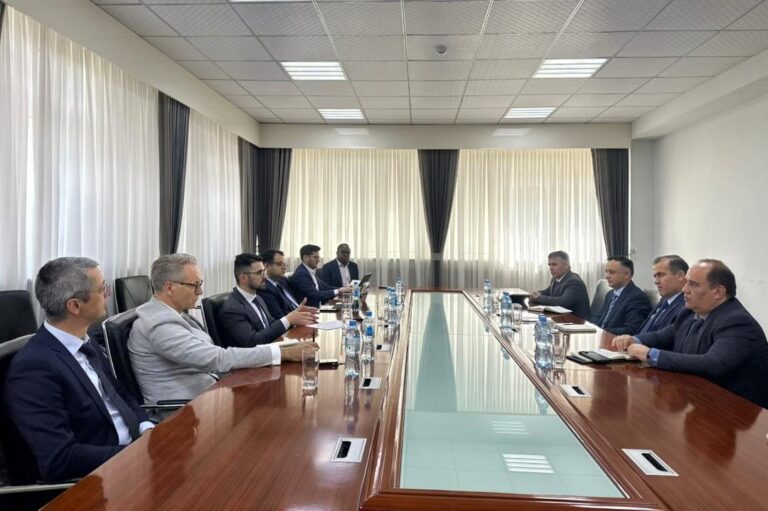
DUSHANBE, May 17, 2015, Asia-Plus — On Saturday May 16, Tajik resident Emomali Rahmon received a group of the executive Directors of the World bank Group, according to the Tajik president’s official websites.
The sides reportedly discussed a broad range of issues related to cooperation between Tajikistan and the World Bank.
They, in particular, discussed the World Bank’s support for socioeconomic development of Tajikistan and cooperation in mitigating effects of external factors on the country’s economy.
A special attention was paid to the effective implementation of the Tajik government’s plan to prevent potential risks to the country’s economy and decisions of the Council of the World Bank Executive Directors on Anti-crisis Mechanisms and Initiatives, the source said.
The Executive Directors have a dual responsibility, as representatives of the Bank”s member country or countries that appointed or elected them, and as Bank officials who represent the interests and concerns of those countries. The Executive Directors are responsible for the conduct of the general operations of the Bank and exercise all the powers delegated to them by the Boards of Governors under the Articles of Agreement. The Executive Directors select a President who serves as Chairman of the Boards. The Executive Directors approve the President”s contract and have the authority to remove the President from office.
The World Bank Group’s active portfolio in Tajikistan includes 21 projects totaling US$323 million U.S. dollars. The largest share of the portfolio is in agriculture (24 percent), followed by urban and rural development (21 percent), transport (16 present), governance and economic policy (9 percent) environment and natural resources (7 percent), education (6 percent), health and social protection (6 percent), water (6 percent), the private sector (4 percent) and social protection and labor (1 percent). Since 1996, the World Bank provided over US$1 billion in grants and highly concessional credits from the International Development Association and trust fund resources to Tajikistan.