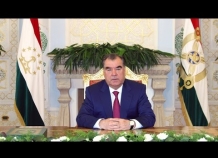
DUSHANBE, June 18, 2015, Asia-Plus – On Wednesday June 17, President Emomali Rahmon congratulated Tajik Muslims on the beginning of the Islamic holy month of Ramadan.
In a televised message, Emomali Rahmon called on the population to support orphans, people with disabilities and vulnerable people who do not have relatives to support.
This year, Ramadan falls in midsummer and fasting may become hard for elderly people, sick people and people engaged in hard labor, the president stressed.
“Taking this into consideration and on the basis of requirements of the Hanafi School of jurisprudence, the Shuroi of Ulama (Council of Ulama — an Islamic council that issues fatwas (religious rulings) and religious guidance to Islamic religious organizations) may issue fatwa to ease the situation of sick people, wayfarers, farmers, and other people doing hard work in hot environments,” the president noted.
The fourth pillar of Islam, which is fasting, is practiced during the month of Ramadan. Ramadan is derived from an Arabic word for intense heat and sun-scorched ground. It is the ninth month of the Islamic (Hijri) calendar, established in the year 638 CE. It is considered the most venerated, blessed and spiritually-beneficial month of the Islamic year. Prayers, fasting, charity, and self-accountability are especially stressed at this time; religious observances associated with Ramadan are kept throughout the month.
The most prominent event of this month is the fasting practiced by observant Muslims. Every day during the month of Ramadan, Muslims around the world get up before dawn to eat the Suhoor meal (the pre dawn meal) and perform their fajr prayer. They break their fast when the fourth prayer of the day, Maghrib (sunset), is due.
During Ramadan, Muslims are expected to put more effort into following the teachings of Islam and to avoid obscene and irreligious sights and sounds. Purity of both thought and action is important. The fast is intended to be an exacting act of deep personal worship in which Muslims seek a raised level of closeness to God Almighty. The act of fasting is said to redirect the heart away from worldly activities, its purpose being to cleanse the inner soul and free it from harm. Properly observing the fast is supposed to induce a comfortable feeling of peace and calm. It also allows Muslims to practice self-discipline, sacrifice, and sympathy for those who are less fortunate, intended to make Muslims more generous and charitable. Muslims can eat after the sun has set. Pregnant women, the elderly, the ill, travelers and children who have not reached puberty are all exempt from fasting as lack of food and liquid in these situations could be detrimental to health.