DUSHANBE, January 20, 2016, Asia-Plus — With international sanctions lifted, Iran is reportedly ready to become a full member of the Shanghai Cooperation Organization (SCO).
Iran applied for full membership in the SCO in 2008, but has been blocked by rules in the organization”s charter that forbid membership for any country under United Nations sanctions. Those sanctions were lifted on Saturday as a result of Tehran”s compliance with its nuclear deal with world powers including the United States, China, and Russia.
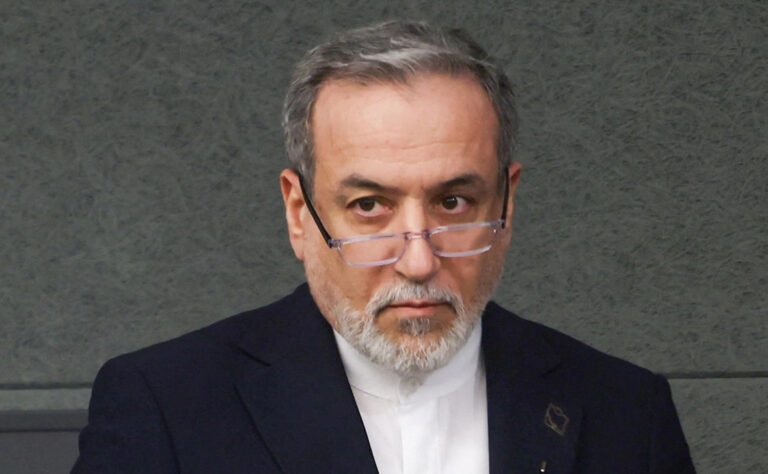
Iran”s Ambassador to Russia Mehdi Sanaei said on January 15 that since Iran, as an observer member, has always helped the progress of SCO, it is expected that with implementation of nuclear deal and lifting of sanctions, Iran be admitted a full SCO member nation, according to Iran’s news agency
IRNA
.
Addressing an economic conference in Moscow, Sanaei reportedly said that as the world”s 18th biggest economy, the fourth largest oil producer, having the world”s second largest gas reserves, the tenth world ranking in tourism industry, biggest industries in the Middle East and North Africa, the 4th world ranking for variety of agricultural products, and with a unique geographical status being placed in the middle of East and West, Iran can play a key role in SCO.
The organization has been eager to get Iran on board. “The organization wishes success to Iran in the finalization of efforts related to the nuclear program so that the essential legal procedures leading up to the lifting of sanctions were implemented as soon as possible,” SCO Secretary General Dmitry Mezentsev told
Izvestiya
daily in an interview last month. “I”d like to believe the SCO will take up Iran”s request for the status of a full member immediately after that.”
The Shanghai Cooperation Organization currently has six full members — China, Kazakhstan, Kyrgyzstan, Russia, Tajikistan and Uzbekistan. Afghanistan, Belarus, India, Iran, Mongolia and Pakistan are six observer states, and SCO’s dialogue partners include Sri Lanka and Turkey.
The Organization’s six full members account for 60% of the land mass of Eurasia and its population is a quarter of the world”s population. With observer states included, its affiliates account for about half of the world”s population.