DUSHANBE, June 2, 2016, Asia-Plus – A new report by Amnesty International (AI) highlights that the number of Afghans who have fled violence and remained trapped in their own country – where they live on the brink of survival – has dramatically doubled over the past three years.
According to the report, a staggering 1.2 million people are internally displaced in Afghanistan today, a dramatic increase from some 500,000 in 2013. Afghans already form one of the world’s largest refugee populations, with an estimated 2.6 million Afghan citizens living beyond the country’s border.
Amnesty International’s new report, ‘My Children Will Die This Winter’: Afghanistan’s Broken Promise to the Displaced, casts fresh light on the country’s forgotten victims of war who have fled their homes but remain displaced within the country’s borders.
“While the world’s attention seems to have moved on from Afghanistan, we risk forgetting the plight of those left behind by the conflict,” said Champa Patel, South Asia Director at Amnesty International.
“Even after fleeing their homes to seek safety, increasing numbers of Afghans are languishing in appalling conditions in their own country, and fighting for their survival with no end in sight.”
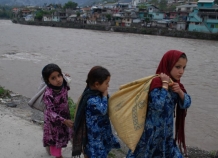
Amnesty International’s research found that despite the promises made by successive Afghan governments, internally displaced people (IDPs) in Afghanistan continue to lack adequate shelter, food, water, health care, and opportunities to pursue education and employment.
“Even an animal would not live in this hut, but we have to,” Mastan, a 50-year-old woman living in a camp in Herat, told Amnesty International. “I would prefer to be in prison rather than in this place, at least in prison I would not have to worry about food and shelter.”
Their situation has dramatically worsened over the past years, with less aid and essentials like food available. A new National IDP Policy launched in 2014 could be a lifeline to those displaced but has hardly been implemented at all – stymied by alleged corruption, lack of capacity in the Afghan government and fading international interest.
Despite Afghan authorities promising to improve the conditions IDPs are living in, Amnesty International found that forced evictions – from both government and private actors – is a daily threat.