

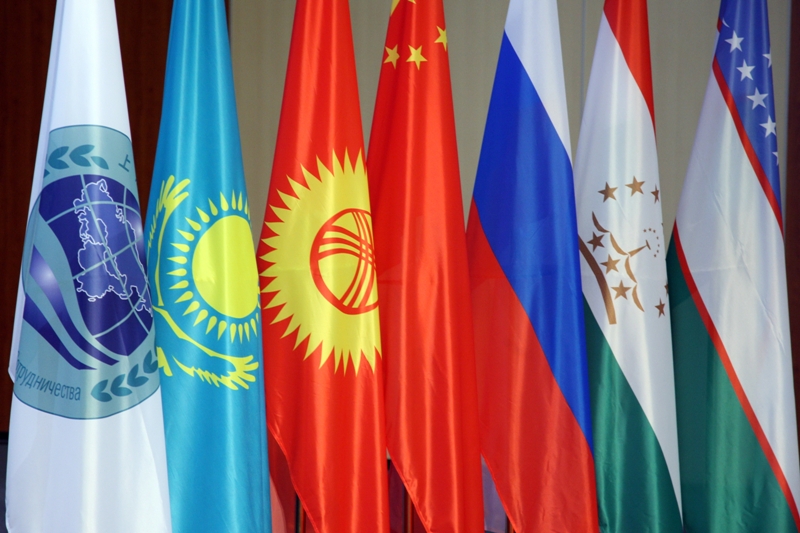
The sixth meeting of education ministers from the Shanghai Cooperation Organization (SCO) member nations took place in Dushanbe on October 19-20.
According to the SCO’s official website, the meeting participants exchanged views on development and modernization of national education systems of the SCO member nations and priorities of educational cooperation. They reportedly also discussed a draft agreement on founding the SCO University and a number of other issues related to development of education sectors of their countries.
The meeting participants, in particular, noted that the SCO University allows drawing together national higher education systems, providing integration of education resources and expanding educational cooperation within SCO areas.
Documents on founding the SCO University have reportedly already been approved and signed by the universities participating in the project and the education ministries of the SCO member nations. The next step will be the signing of the documents by the governments that will pave the way for a new stage of development of the Organization and further expansion of educational cooperation between the SCO member nations.
The SCO education ministers reached an agreement on the decision to found a common network university on the basis of the leading higher educational institutions of their countries in 2009.
The proposed university will not be located in any particular one place, but it will function as a network of the already existing universities in the SCO member nations.
The SCO common network university is expected to target the four areas (courses): regional studies; ecology; IT-technology; and energy. The main languages of instruction at the universities will be Russian and Chinese, as well as the state language of the country in which the university is located.
Student enrollment will be based on mutually agreed quotas along the line of the SCO University. The quotas will generally correspond to the proportion contributed by a particular SCO member-state to the budget of the university and will be determined by the member-countries on annual basis.
The graduates will be awarded the diplomas of the university in which they started their education or completed at least 60% of the study time, and a certificate of the SCO University. It is envisaged that in the future the graduates would be awarded a special diploma of the University of the SCO.
Inaugurating a meeting of the SCO Council of Heads of State in Ufa, Russia, Russian President Vladimir Putin noted on July 10, 2015 that the SCO Network University project, which integrates 69 universities in the SCO countries and four from Belarus, is being successfully implemented. “We hope that an intergovernmental agreement on establishing it will soon be signed and adopted,” Putin said.
The Shanghai Cooperation Organization currently has six full members — China, Kazakhstan, Kyrgyzstan, Russia, Tajikistan and Uzbekistan. Afghanistan, Belarus, India, Iran, Mongolia and Pakistan are six observer states, and SCO’s dialogue partners include Armenia, Azerbaijan, Cambodia, Nepal, Sri Lanka, and Turkey.
The Organization’s six full members account for 60% of the land mass of Eurasia and its population is a quarter of the world’s population. With observer states included, its affiliates account for about half of the world’s population.
