People affected by large-scale disasters in Tajikistan can now be reached with vital international assistance faster than before.
A customs agreement between the Government of Tajikistan and the United Nations in Tajikistan has entered into force, according to UNDP Tajikistan.
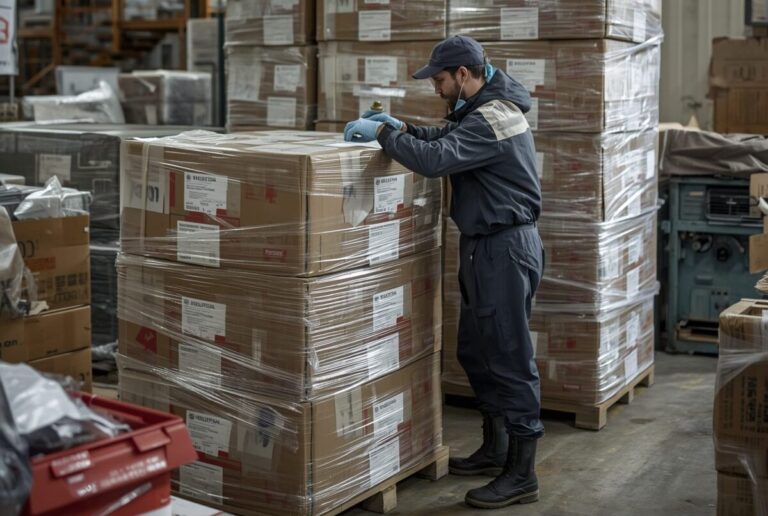
The first of its kind in Central Asia, the agreement will simplify the import, export and transit of humanitarian relief goods in large-scale emergencies.
Since 1970, such customs agreements have been common practice globally, especially, in countries prone to disasters. With the growing number of disasters and climate change effects, more countries are investing in emergency preparedness.
Tajikistan is susceptible to a wide range of natural hazards: earthquakes, floods, landslides, mudslides, and others. Over the last 10 years, some 3 million people or a third of the total population of Tajikistan have suffered as a result of natural disasters.
“Together with the Government of Tajikistan, we have been developing this customs agreement since 2014. Therefore, its signing in April 2016 and the coming into force this fall already constitute a significant achievement,” noted Mr. Valijon Ranoyev, OCHA humanitarian advisory team representative. “Although the agreement is just one component in a set of preparedness measures, its significance stems from the fact that it will save time and significantly speed up the delivery of aid to people affected by large-scale emergencies”.
“The international humanitarian system is improving each year. Around the world, we are increasingly able to save more lives and respond faster than before to the needs of all people affected by emergencies – children, women, the elderly and men,” said Ms. Pratibha Mehta, the United Nations Resident Coordinator in Tajikistan. “However, disasters are happening more often and with greater severity. We need to be prepared to respond quickly. The customs agreement will help cut down on bureaucratic procedures and expedite response,” stressed Ms. Mehta.
The Government of Tajikistan and the United Nations signed a Customs Facilitation Agreement that speeds up the delivery of humanitarian aid to the country in the event of a large-scale emergency on April 20, 2016.