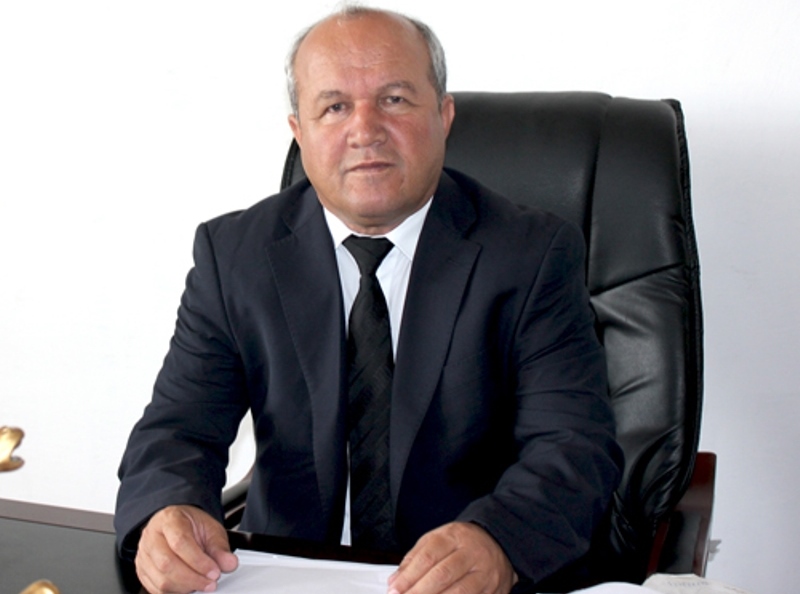
A court in Dushanbe’s Ismoili Somoni district has rejected request of the former director of Tajikistan’s National Library Saifiddin Nazarzoda to replace a judge in his case. Nazarzoda’s defense lawyer says the anticorruption officers’ actions have been illegal.
The Ismoili Somoni court is considering the case of Saifiddin Nazarzoda, who is charged with violating a law that curtails spending on weddings, funerals, and other private gatherings.
During the yesterday’s court hearing, Nazarzoda said that Judge Khurshed Isozoda, who is presiding over the trial, had refused to watch the “oshi nahor” (morning wedding reception that is held before the main wedding) video in order to determine the real number of guests.
The judge refused, saying that prosecutors had already done that.
Nazarzoda requested to replace the judge “because he is biased.”
The court, however, rejected his request to replace the judge.
Nazarzoda’s defense lawyer, Nasreddinov, noted yesterday that the anticorruption officers’ actions were illegal because “they did not introduce themselves.”
Saifiddin Nazarzoda is the first government official to be removed from his post and face trial for violating the country’s newly amended law.
In the court hearing that began on September 21, Nazarzoda rejected the accusation that the number of the guests at the “oshi nahor” party following his son’s summer wedding, exceeded Tajikistan's legal limit.
Nazarzoda told the court that representatives of the anticorruption agency came to morning wedding reception uninvited, “ate the food and also filmed” the gathering.
The recording was later broadcast on a state TV program that preceded Nazarzoda’s August 15 dismissal from his post.
Nazarzoda claims authorities recorded the same guests several times from different angles on their video, giving a false impression that there were more guests at the gathering.
A law regulating private parties was initially adopted in 2007 after the country's President Emomali Rahmon said the tradition of hosting lavish gatherings puts financial strains on families in the country.
In August, Tajikistan amended the law to introduce further restrictions on private functions.