President Emomali Rahmon has promised cancel power rationing if population and enterprises use electricity economically during autumn-winter period.
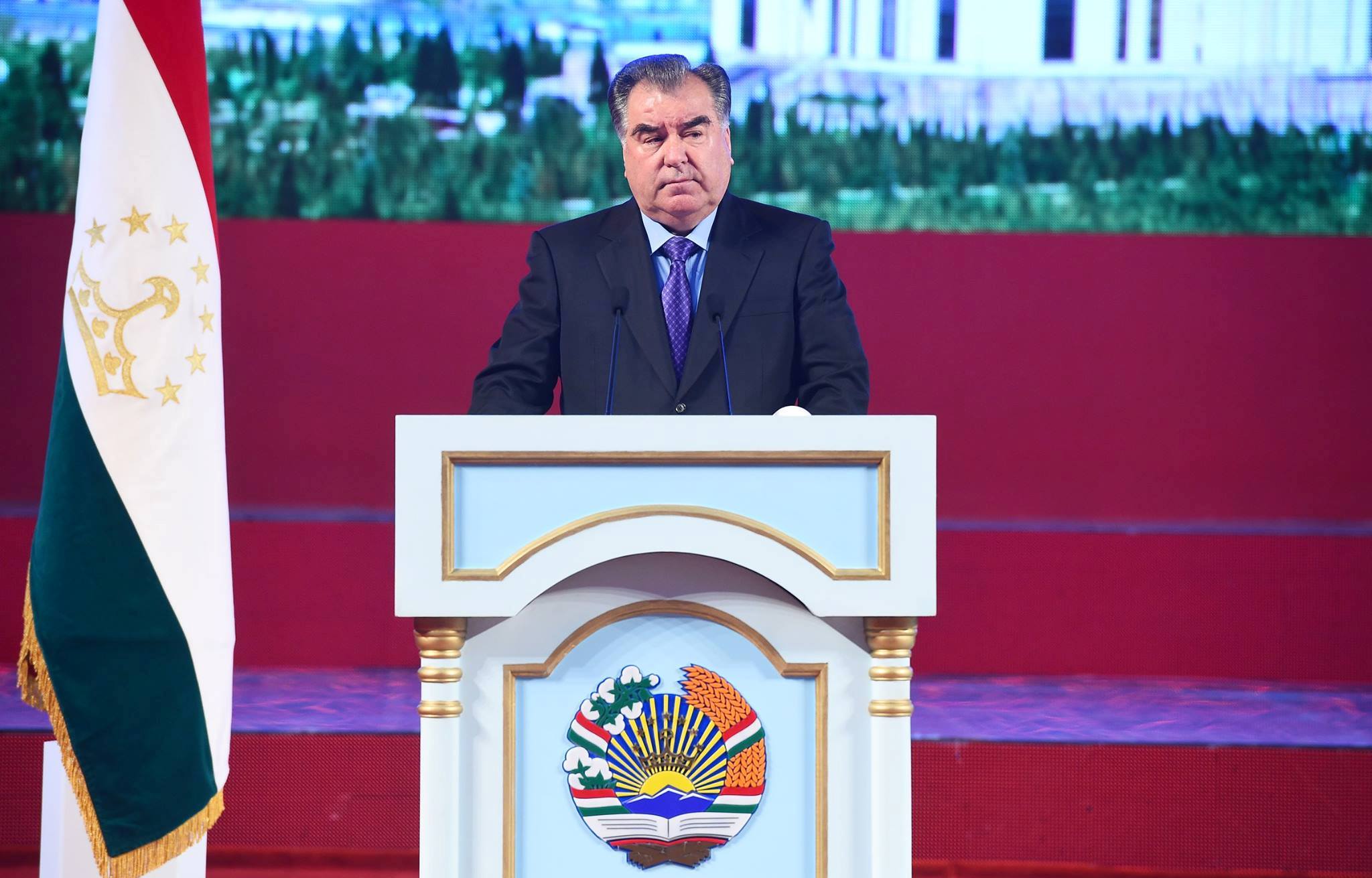
In a statement delivered at a meeting with entrepreneurs in Dushanbe, Tajik leader, in particular, noted on October 14 that residential customers in the regions last year had electricity only 10 hours per day during the autumn-winter period. This year, power rationing has not yet been introduced in the country.
One the strategic goals of the government is to reach energy independence, Rahmon said.
“If the population supports us and you entrepreneurs, who have industrial enterprises, use electricity during the autumn-winter period economically, our electricity will enough to provide regular supplies of electrical power and no power rationing will be introduced during the autumn-winter period,” the president noted.
Recall, electricity last year was introduced on November 1 and was lifted on January 14, 2017. Rationing resulted in the supply of daily electricity being reduced to 10-6 hours.
Electricity rationing did not affect Dushanbe, regional administrative centers and large cities.
The power rationing also did not affect the majority of districts of the Gorno Badakhshan Autonomous Region (GBAO). In GBAO, Tajikistan’s only private power company, Pamir Energy Company (Pamir Energy), operates. This company is responsible for electricity deliveries in the region and the majority of districts in Gorno Badakhshan now have regular power supply.
Measures rationing electricity supplies are usually introduced in the regions and seek to curb the country's rising electricity consumption. The rationing is introduced in October or November and lasts through March or April next year. The rationing results in the supply of daily electrical power being reduced to 12 or 10 hours. In addition to curbing rising consumption, the move also stems from a decline in the water level in the country's reservoirs powering the main hydroelectric power plants.