Tajik chief prosecutor Yusuf Rahmon declares for restoration of death penalty

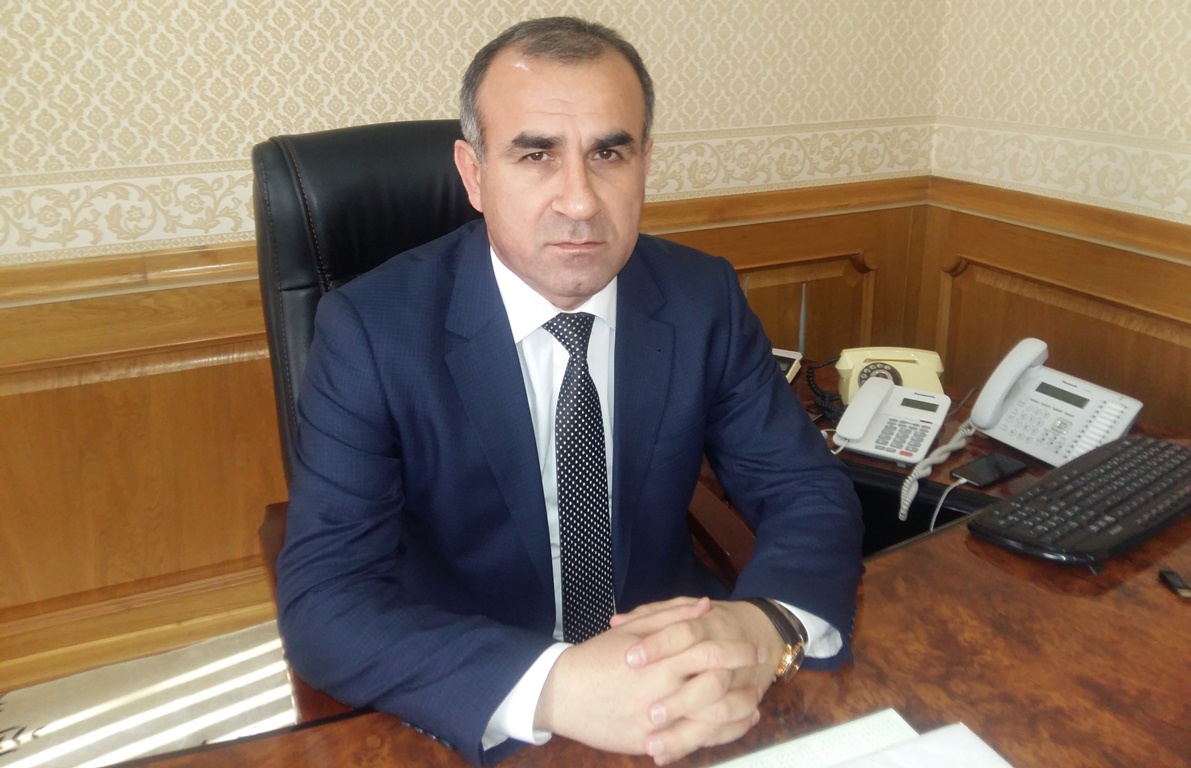
Tajik prosecutor-General Yusuf Rahmon believes that separate category of persons committing grave crimes  is incorrigible. Tajik chief prosecutor noted today at a meeting with reporters that he declared for cancellation of the moratorium on the death penalty in the country.  At the same time, he emphasized that he had expressed such an opinion earlier. “On […]

Tajik prosecutor-General Yusuf Rahmon believes that separate category of persons committing grave crimes  is incorrigible.

Tajik chief prosecutor noted today at a meeting with reporters that he declared for cancellation of the moratorium on the death penalty in the country.  At the same time, he emphasized that he had expressed such an opinion earlier.

“On terrorism charges alone, more than 100 persons having previous convictions were jailed last year.  They are incorrigible.  We hold them accountable again.  We can add a maximum of two to three years to the terms they are serving.  They commit crimes again,” the chief prosecutor noted.  

Recall, Yusuf Rahmon in 2016 proposed to use the death penalty for grave and violent crimes, including terrorism, treason and coup attempt.   

Capital punishment in Tajikistan is allowed by Article 18 of the 1999 Constitution of Tajikistan, which provides: “Every person has the right to life. No person may be deprived of life except by the verdict of a court for a very serious crime.”

The last known execution took place in 2004.  That same year, a moratorium was issued on capital punishment by President Emomali Rahmon.  Emomali Rahmon announced in his message on April 30, 2004 that “right to life is an indigenous value and nobody can deprive anybody of this right.”

On July 15, 2004, Tajik parliament adopted the law on suspension of death penalty application in the country.  

After the establishment of a moratorium on the death penalty, Tajikistan had introduced the sentence of life imprisonment.  Tajikistan's lower house (Majlisi Namoyandagon) of parliament endorsed amendments providing for life imprisonment as an alternative to capital punishment on November 30, 2004.  

The Government had allocated a special land plot for the creation of a correctional facility for those serving life sentences.  
Join us on social media!

Article translations:

Related Article

Оби зулол
Оби зулол
Tenisi

Most Read

Коммерсбонк Точикистон

Recent Articles

RZD announces the restoration of passenger services between Moscow and Dushanbe

Direct rail services between the capitals of Russia and Tajikistan were suspended in March 2020 due to the COVID-19 pandemic.

#AP30/Stories. “Selam! Heller nichek?” How Tatars live today in Sughd province

On the 30th anniversary of "Asia-Plus," we continue to publish reports that remain relevant even after years. This story was told in 2021, and since then, little has changed in the life of the Tatar community in Tajikistan.

15,000 cameras, drones, and robots: how technology monitors pilgrims in Mecca and Medina

During Hajj 2026, Mecca and Medina were under unprecedented digital control.

Another child in Dushanbe removed from family and sent to boarding school

The Ministry of Internal Affairs reports that the parents did not pay adequate attention to the child.

Emomali Rahmon instructs to address issues in seed production following criticism of the industry

Issues have been noted with certification, seed quality, and the material and technical base of the industry.

Water, climate, and a $130 billion deficit: seven key outcomes of the Water Conference in Dushanbe

At the forum, countries and international organizations discussed new mechanisms for cooperation, investments, and technologies that are essential for addressing the global water crisis.

Eskhata Bank introduces a new generation children’s wallet

"Eshkata Bank" has created a full-fledged digital platform that helps children aged 7 to 16 learn how to manage money.