Tajik power-wielding structures to be put on high security in connection with parliamentary elections

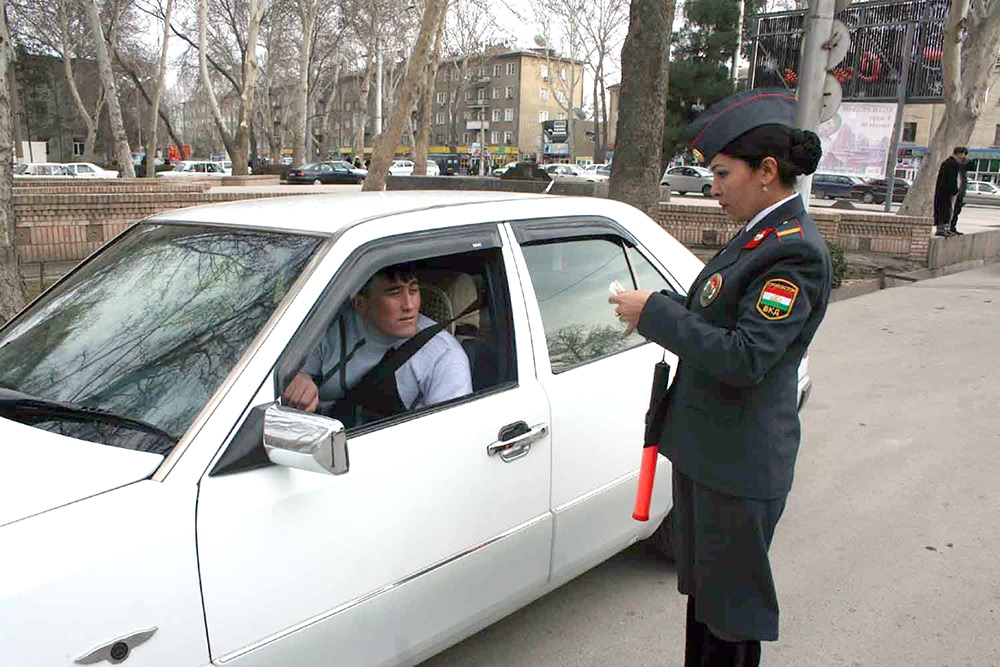
Tajikistan’s law enforcement authorities and power-wielding structures will be put under high security conditions on February 28, an official source within the Tajik Interior Ministry told Asia-Plus today morning.   According to him, reinforced police outfits will patrol streets, public places and bazaars in all large cities of the country.   A special interagency commission has reportedly […]

Asia-Plus

Tajikistan’s law enforcement authorities and power-wielding structures will be put under high security conditions on February 28, an official source within the Tajik Interior Ministry told Asia-Plus today morning.  

According to him, reinforced police outfits will patrol streets, public places and bazaars in all large cities of the country.  

A special interagency commission has reportedly been set up to coordinate activities of law enforcement authorities and power-wielding structures during the election period.  

In all, 3,371 polling stations will open across the country and they will be taken under round-the-clock protection, the source added.

Voters in Tajikistan will go to the polls on March 1 to cast ballots in parliamentary elections.  Seven parties are registered to compete.  

The only opposition party left in the race is the Social Democratic Party of Tajikistan (SDPT).  According to Radio Liberty, SDPT leader Rahmatullo Zoyirov said that he had met with voters more than 60 times.

Recall, 240 candidates will compete for 63 seats in Tajikistan’s lower house (Majlisi Namoyandagon) of parliament (Majlisi Milli).  Of them, 176 will run for parliament in 41 single-mandate constituencies and 65 others will compete for 22 seats in a single nationwide district. 

48 of the officially registered candidates are women. 

Members of the Majlisi Namoyandagon (Tajikistan’s lower chamber of parliament) are directly elected for a five-year term according to a mixed majoritarian-proportional system. Of the 63 MPs, 41 are elected from single-mandate districts, with the winning candidate requiring a majority of votes cast. If no candidate receives a majority, a second round is held within two weeks between the two leading candidates.  More than 50 per cent of registered voters must participate for the election to be valid; otherwise, repeat elections must be held. 

The other 22 MPs are elected from a single nationwide district under a proportional, closed-list system with a five percent threshold. 
 

Join us on social media!

Article translations:

Related Article

Оби зулол
Оби зулол

Most Read

Recent Articles

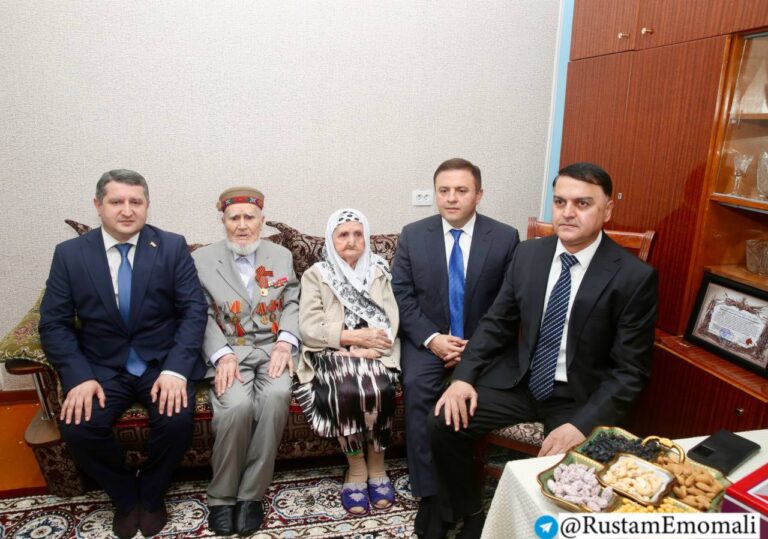
The only GPW veteran in Dushanbe allocated more than 80,000 somoni

The mayor's office of Dushanbe allocated him 25,000 somoni.

GITEX AI Kazakhstan 2026: how Almaty became the main AI hub of Central Asia

More than 300 companies and startups, over 200 speakers and 100 investors from 50 countries — the region is entering the global stage.

A trade and economic park to be built at the border junction of Tajikistan, Kyrgyzstan, and Uzbekistan

President of the Kyrgyz Republic Sadyr Japarov familiarized himself with the project.

A project to protect soil from degradation to be developed in Central Asia

The initiative is of great significance for the mountainous countries of the region, including Tajikistan.

Mudslide, death, and destroyed homes: hundreds of families in Tajikistan left homeless

A correspondent from "Asia-Plus" visited Kulob and spoke with the families of those who died and were affected by the disaster.

Spring 2026 bright event: new issue of VIPzone now on sale

This issue is about people and ideas that change everything: from business and investments to fashion, food, and urban environment.

Godfrey Sullivan: “Tajikistan is a promising market for Visa to develop digital payments”

The Vice President of Visa explained why Tajikistan is becoming a promising market for digital payments and how artificial intelligence is influencing the future of finance.

Seven students in Dushanbe were threatened with expulsion for arriving at universities in personal cars

The materials for each case have been sent to the Ministry of Education and Science for appropriate actions.

India’s blockchain push and lessons for the global south

The Indian Government has started pushing aggressively its agenda...

India’s blockchain push and lessons for the global south

The Indian Government has started pushing aggressively its agenda...