

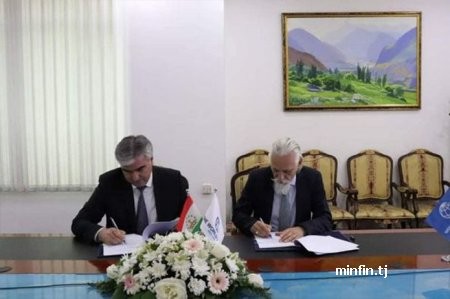
On Thursday June 3, Tajikistan Minister of Finance Faiziddin Qahhorzoda and World Bank Country Manager for Tajikistan Jan-Peter Olters signed here an agreement on financing Tajikistan tax reform program, according to the Finance Ministry Secretariat.
The document involves the provision of a US$50 million grant for the Tajikistan Tax Reform Operation.
The Tajikistan Tax Reform Operation will contribute to the ongoing tax reform by simplifying the tax system, enhancing the quality of taxpayer services, and improving voluntary compliance.
The program is expected to be implemented during the next five years – up to 2026.
Recall, the World Bank’s Board of Executive Directors on May 28 approved US$50 million in grant financing from the International Development Association for the Tajikistan Tax Reform Operation. This project will support the implementation of the revised tax code and the modernization of the tax system to balance the objectives of domestic revenue mobilization and private sector development.
The tax reform reportedly represents a critical building block in efforts to meet the key objectives of the National Development Strategy to 2030, which is to increase people’s incomes by up to 3.5 times and halve poverty by 2030. To meet this goal, Tajikistan would need the contribution of a dynamic private sector, which can finance investments, foster innovation, create jobs, and increase exports, according to the World Bank.
Currently, the private sector in Tajikistan provides only about one-quarter of total investments and produces less than one-third of industrial output, while providing only limited formal employment opportunities in a young and growing economy. The COVID-19 pandemic has negatively impacted government revenues and tax collection efforts, while increasing the demand for social spending and levels of public debt. This context has reportedly made the tax reform even more urgent.
