After a three-month deflation, food products have begun to rise in prices in Tajikistan
According to data from the Agency for Statistics under the President of Tajikistan, inflation in Tajikistan’s consumer goods over the first eleven months of this year has stood at 4.0 percent, which is 3.5 percent lower than in January-November last year.
The inflation rate has decreased due to a three-month deflation that was observed in the country in the previous months.
The Agency for Statistics notes that the cost of products of the food industry in January-November has increased in the country on average by 0.9 percent.
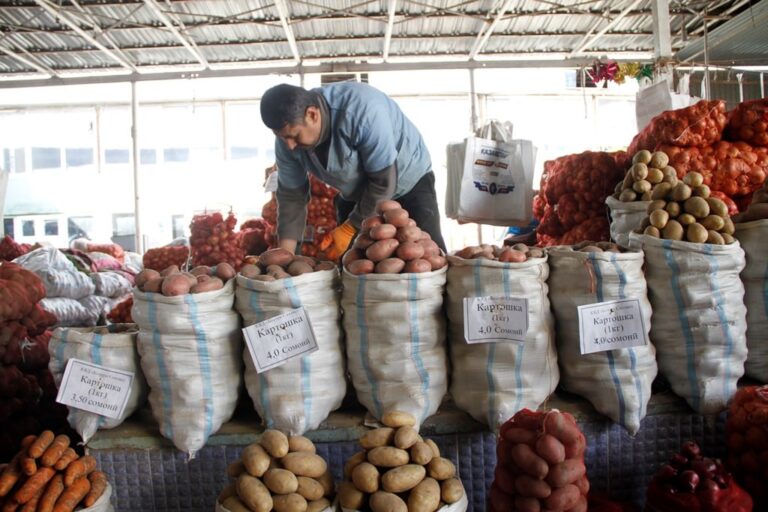
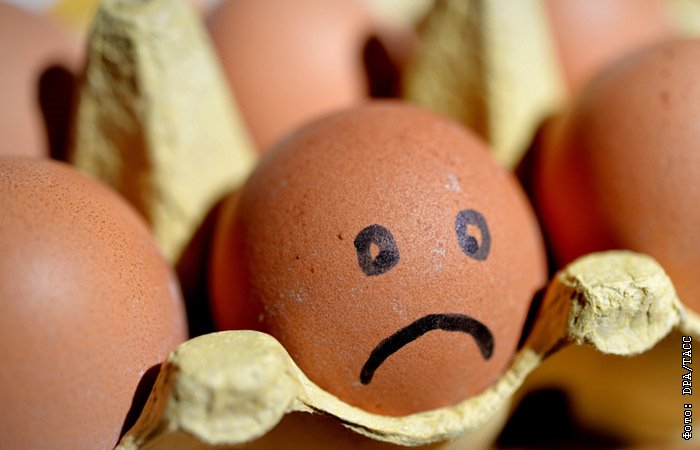
The increase in cost of products of the food industry was reportedly caused by a 45.4-percent increase in prices for eggs; 20.5-percent increase in prices for vegetables; 14.0 percent increase in prices for milk; 8.6 percent increase prices for the 1st grade wheat flour; and 7.3-percent increase in prices for bakery products and groats.
Over the same eleven-month period, non-foodstuffs have reportedly risen in cost on average 3.3 percent with the prices increasing most significantly for the following goods: detergents – 20.3 percent’ diesel fuel – 16.2 percent; clothing fabrics – 4.0 percent; and building materials – 3.9 percent.
Prices and rates for services rendered to the population over the reporting period have reportedly increased on average by 2.5 percent. The ones that increased most significantly were: payment for electric power – 17.3 percent, services rendered by restaurants and hotels – 4.6 percent; and medical services – 3.8 percent.
The government predicts this year’s year-end inflation in Tajikistan at 6.0 percent.
Recall, the year-end inflation in Tajikistan’s consumer goods sector last year stood at 8.0 percent.
The government last year planned to curb inflation rate at 7.0 percent.
Deflation is when the prices of goods and services fall. Deflation expectations make consumers wait for future lower prices. That reduces demand and slows growth. Deflation is worse than inflation because interest rates can only be lowered to zero. Deflation is bad when it occurs in reaction to previous over-inflation.
Effects of deflation include; declining demand, which perhaps is one of the most prominent effects of deflation; unemployment and lower wages (as businesses see lower levels of demand, they also see lower profits and a reduced need for workers); debt burden grows (as deflation takes hold, prices and incomes decline); reduced Investment; and strengthening currency.
By the way, Tajikistan’s central bank on August 22 raised the refinancing rate from 13.25 percent to 13.50 percent, explaining this by curbing inflation in the medium term.