An Iranian writer and historian believes that people need culture for a salvation from current status quo of the world.
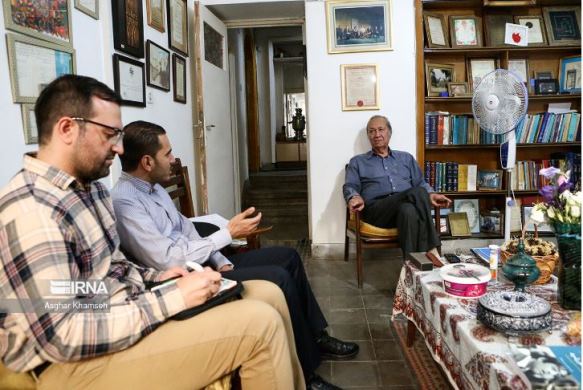
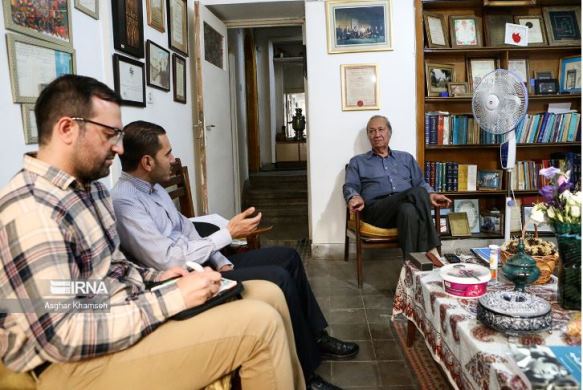
Describing Iran as the cradle of the world culture, Fereydoun Joneidi, who is the founder of the Iranian Culture Research Organization (Neyshabur Foundation), told IRNA that he had sworn an oath four decades ago to dedicate his soul and body to the culture and children of Iran.
He said that courses on reading Shahnameh, the epic by Iranian 11th century poet Ferdowsi, and teaching ancient languages like Pahlavi and Avestan, are main activities covered by the Neyshabur Foundation.
Carrying out research and editing on Shahnameh, which took 30 years of Joneidi's lifetime, are among the prestigious works by the Foundation.
Commenting on the importance of getting acquainted with ancient languages, he said that being aware of these languages shows respect of the people in a country for their ancestors and roots.
Reiterating the fact that Shahnameh has nothing against the aspirations of the world nations, Joneidi said that he had prepared simplified extracts of Shahnameh for children with the aim of familiarizing them with that book and the history of Iran.
He said that a Russian version of Shahnameh has recently been released in Tajikistan. Joneidi is also known in Iran for a radio program that was on air for about two years. Originally written for Sultan Mahmoud of Ghazna and completed in 1010, the Shahnameh is a poem of nearly 60,000 verses, mainly based on the Khvatay-namak, a history of the kings of Persia in Pahlavi (Middle Persian) from mythical times down to the 7th century. Ferdowsi verified and updated the story to the downfall of the Sasanian Empire (mid-7th century), and, for nearly 1,000 years, it has remained one of the most popular works in the Persian-speaking world.