Two gauging stations intruded into operation along Tajikistan’s common border with Uzbekistan

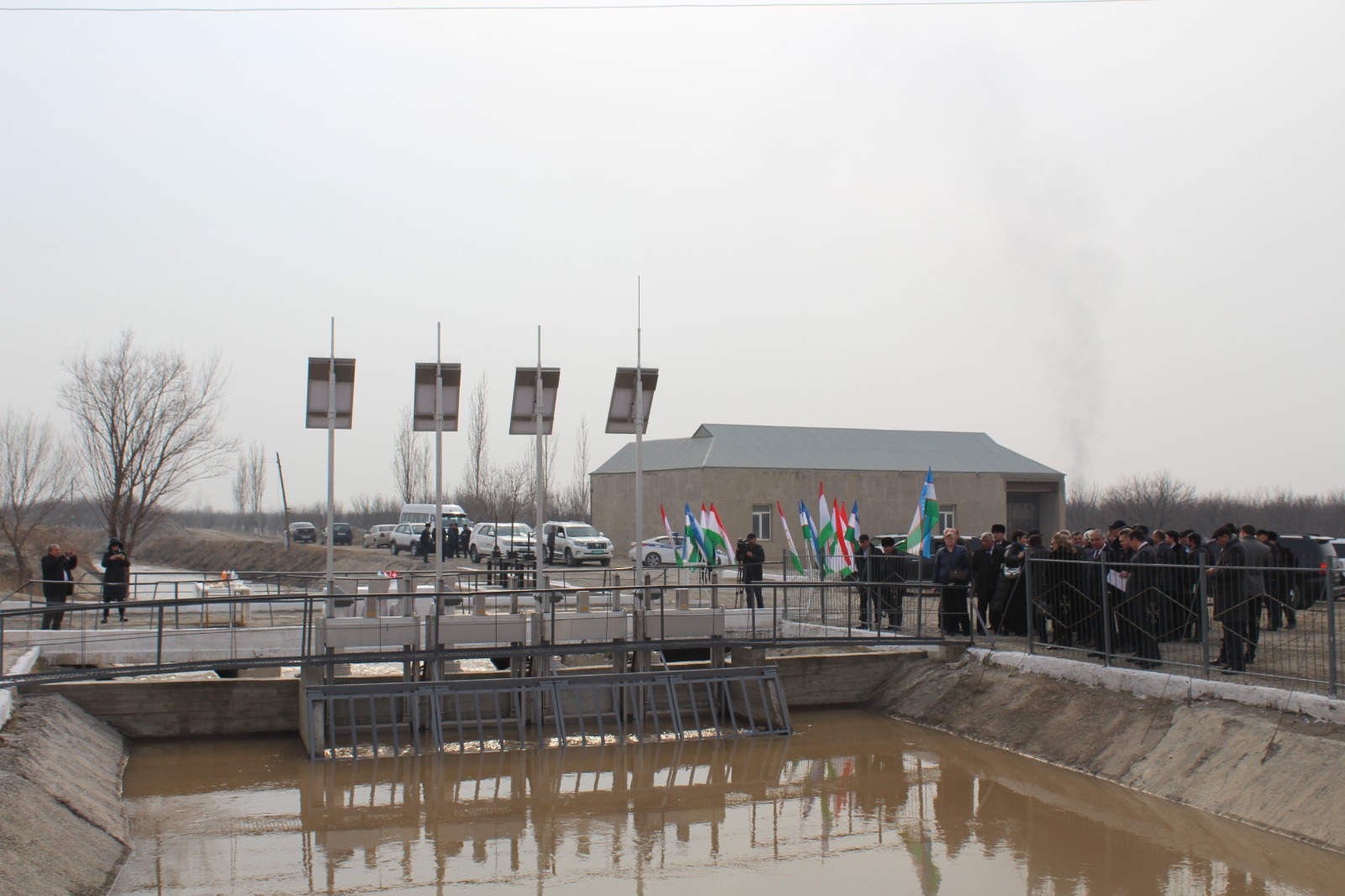
Two automated gauging stations have been reintroduced into operation along Tajikistan’s common border with Uzbekistan, according to the Ministry of Energy and Water Resources of Tajikistan (MoEWR). The rehabilitated facilities reportedly reopened along the transboundary Big Fergana Canal and North Fergana Canal on February 23.  The official reopening ceremony was attended by the Minister of […]

Asia-Plus

Two automated gauging stations have been reintroduced into operation along Tajikistan’s common border with Uzbekistan, according to the Ministry of Energy and Water Resources of Tajikistan (MoEWR).

The rehabilitated facilities reportedly reopened along the transboundary Big Fergana Canal and North Fergana Canal on February 23. 

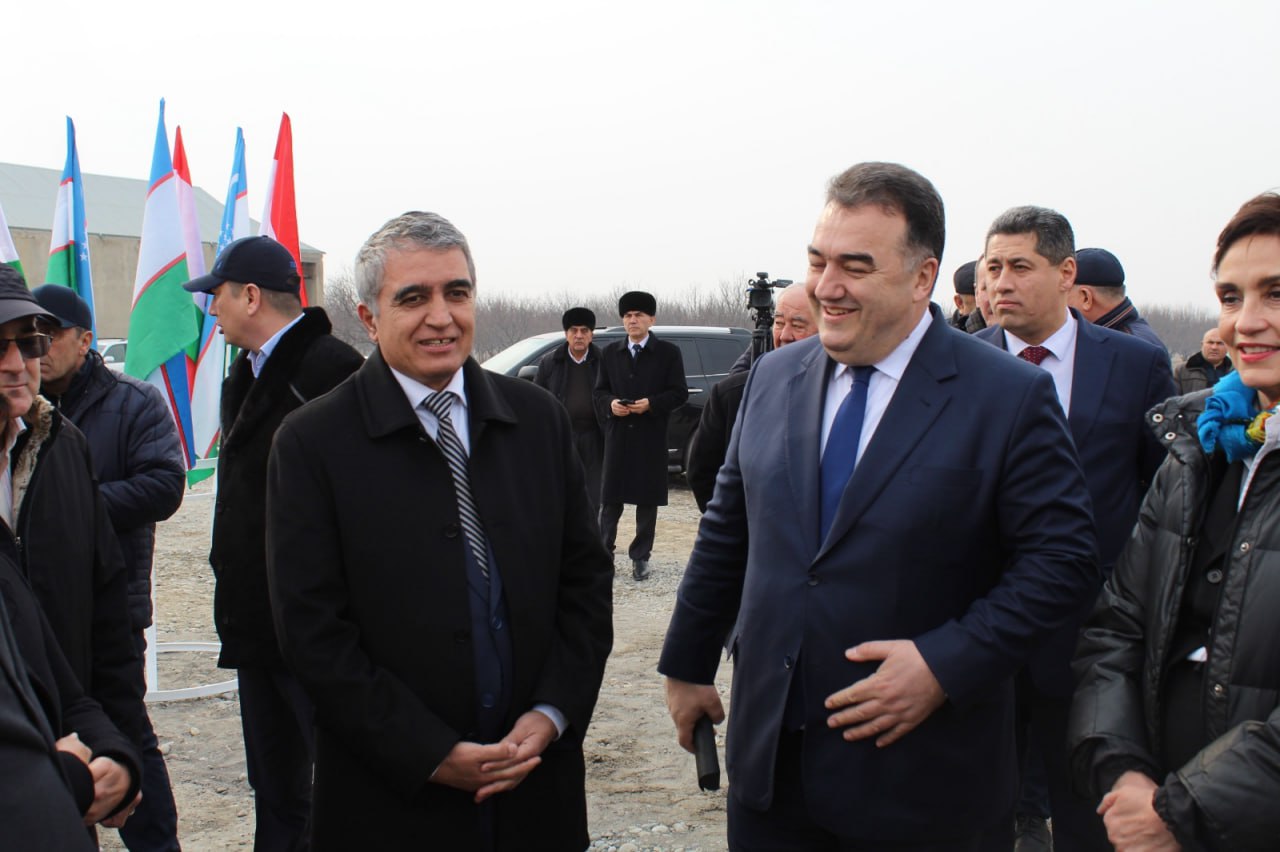
The official reopening ceremony was attended by the Minister of Energy and Water Resources of Tajikistan Daler Juma and the Minister of Water Resources of Uzbekistan Shavkat Hamrayev. 
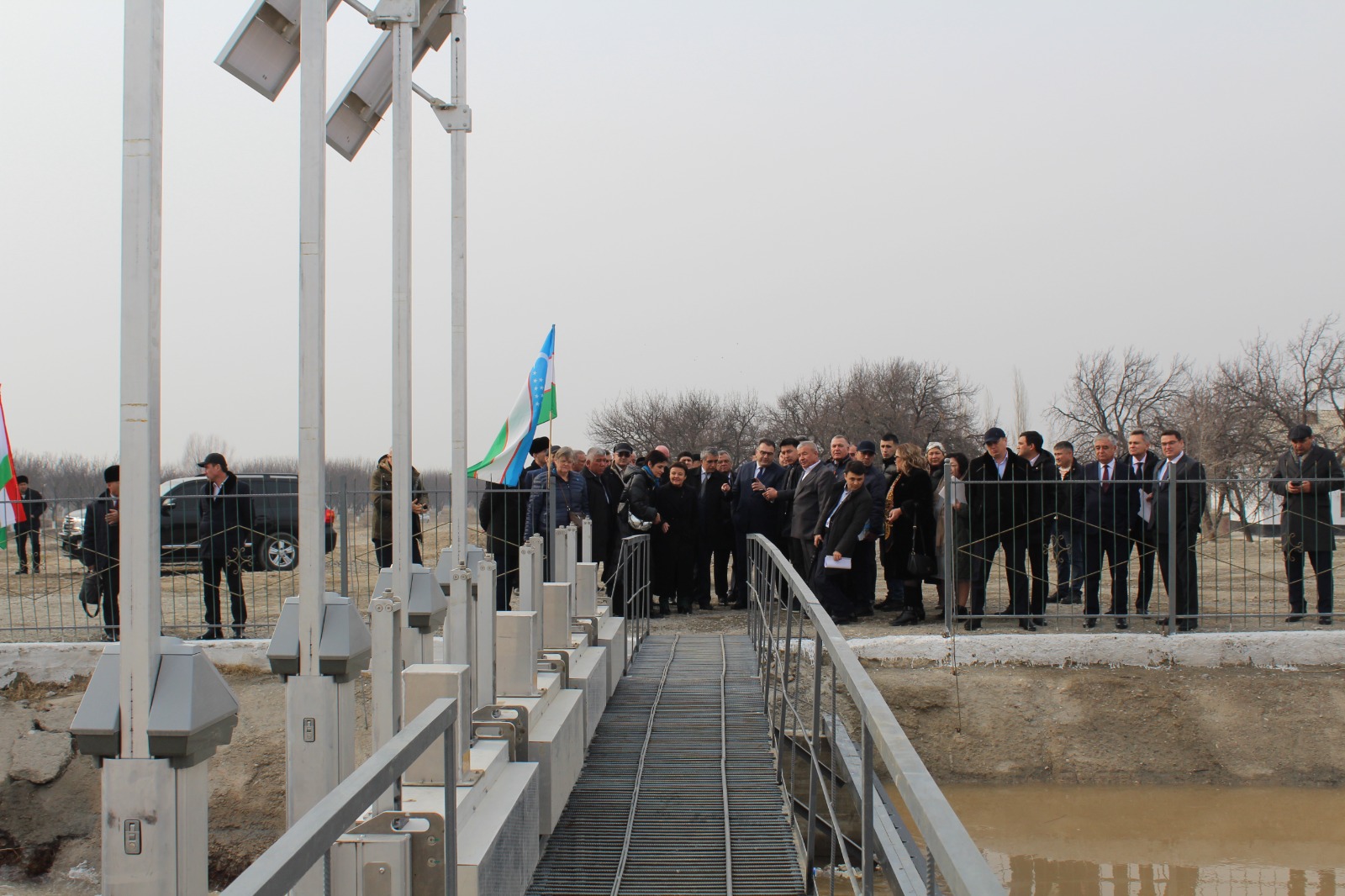
An official source within a MoEWR says the rehabilitated hydroposts “Patar” and “Sarvak” are expected to  provide automated accounting and transmission of data on water consumption in real time and ensure more efficient management of water resources in transboundary canals.

This was reportedly made possible through the Blue Peace Central Asia initiative of the Government of Switzerland.

The awareness of the need for regional cross-border water cooperation in Central Asia has substantially increased in recent years.  Its complexity requires smart solutions and policies both at national and regional levels.
The Swiss Agency for Development and Cooperation (SDC) has supported the Blue Peace Central Asia (BPCA) initiative since 2014. 

BPCA promotes water cooperation in the region to address questions related to increasing competing interests in water, foster the understanding of the region as interdependent, and support common solutions on water for the benefit of all.  

The Swiss  Cooperation Office in Tajikistan represents the Swiss Government in Tajikistan and supervises Swiss projects implemented in Tajikistan funded by two Swiss Federal Agencies – the Swiss Agency for Development and Cooperation (SDC) and the State Secretariat for Economic Affairs (SECO).

Switzerland supports Tajikistan in its economic, social and political transitions. The objective of its Cooperation Program is to promote peace and social cohesion as well as responsive and inclusive institutions and a sustainable development to improve the well-being of the population.

In 2022, Switzerland and Tajikistan mark 30 years anniversary since the establishment of diplomatic relations.  

Join us on social media!

Article translations:

Related Article

Оби зулол
Оби зулол

Most Read

Recent Articles

The only GPW veteran in Dushanbe allocated more than 80,000 somoni

The mayor's office of Dushanbe allocated him 25,000 somoni.

GITEX AI Kazakhstan 2026: how Almaty became the main AI hub of Central Asia

More than 300 companies and startups, over 200 speakers and 100 investors from 50 countries — the region is entering the global stage.

A trade and economic park to be built at the border junction of Tajikistan, Kyrgyzstan, and Uzbekistan

President of the Kyrgyz Republic Sadyr Japarov familiarized himself with the project.

A project to protect soil from degradation to be developed in Central Asia

The initiative is of great significance for the mountainous countries of the region, including Tajikistan.

Mudslide, death, and destroyed homes: hundreds of families in Tajikistan left homeless

A correspondent from "Asia-Plus" visited Kulob and spoke with the families of those who died and were affected by the disaster.

Spring 2026 bright event: new issue of VIPzone now on sale

This issue is about people and ideas that change everything: from business and investments to fashion, food, and urban environment.

Godfrey Sullivan: “Tajikistan is a promising market for Visa to develop digital payments”

The Vice President of Visa explained why Tajikistan is becoming a promising market for digital payments and how artificial intelligence is influencing the future of finance.

Seven students in Dushanbe were threatened with expulsion for arriving at universities in personal cars

The materials for each case have been sent to the Ministry of Education and Science for appropriate actions.

India’s blockchain push and lessons for the global south

The Indian Government has started pushing aggressively its agenda...

India’s blockchain push and lessons for the global south

The Indian Government has started pushing aggressively its agenda...