The number of farmers reportedly increasing in Tajikistan

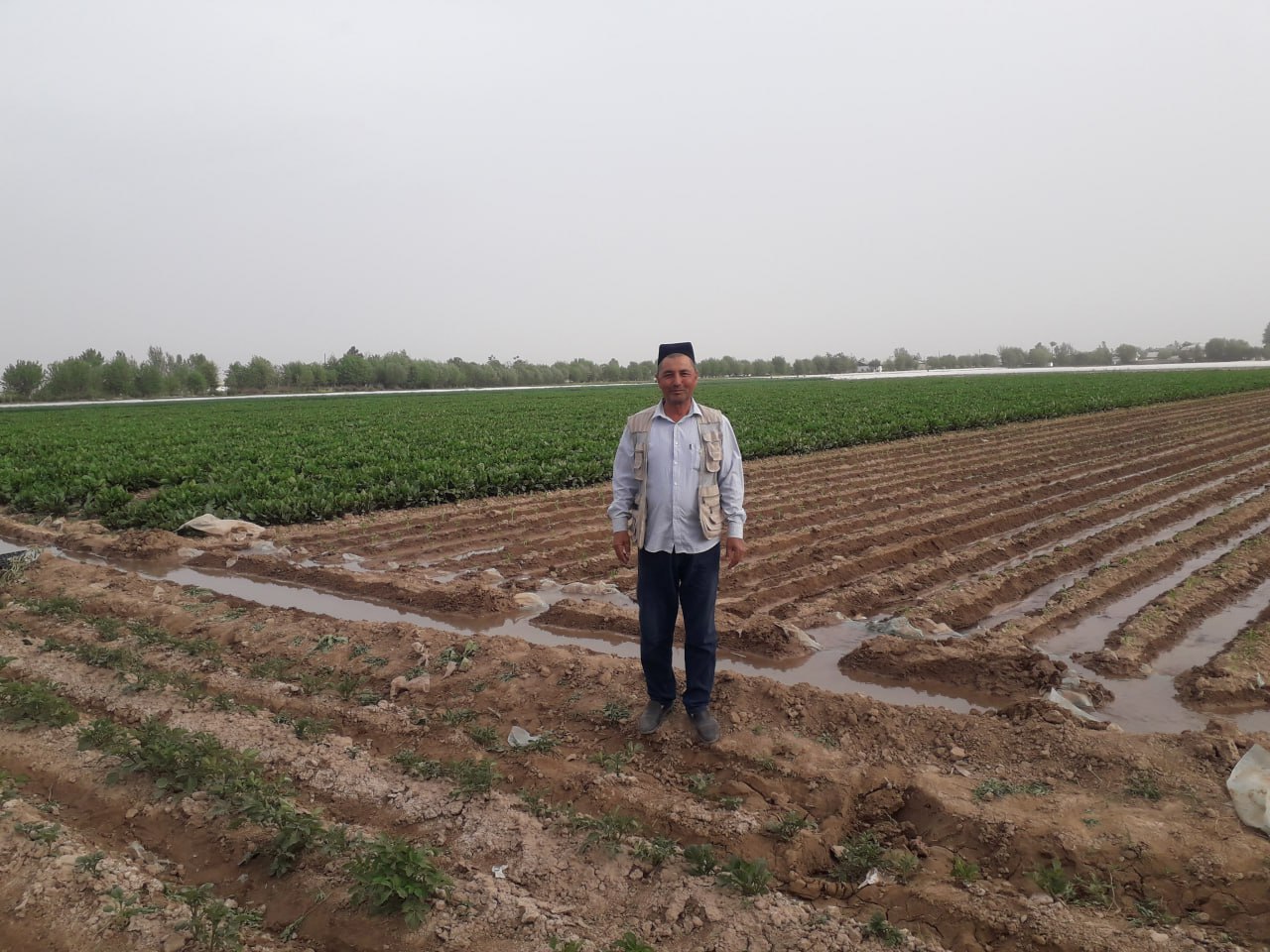
The State Committee on Land Management and Geodesy of Tajikistan says the number of farming units has increased by 1,500 over the first quarter of the year, reaching 196,564.   A total number of shareholders of the dehqon farms (midsized peasant farms that are legally and physically distinct from household plots).  They reportedly conduct economic activities […]

Asia-Plus

The State Committee on Land Management and Geodesy of Tajikistan says the number of farming units has increased by 1,500 over the first quarter of the year, reaching 196,564.  

A total number of shareholders of the dehqon farms (midsized peasant farms that are legally and physically distinct from household plots).  They reportedly conduct economic activities on a total area of ​​5.1 million hectares, which is more than 72 percent of the total agricultural area of Tajikistan.  

Each farming unit has approximately 25.9 hectares of agricultural lands and each shareholder has on average 6.4 hectares.  

70,793 farming units (more than 990,000 ha) are registered in Sughd province, 73,693 farming units () more than 1.1 million ha) are registered in Khatlon province, 35,487 farming units (about 915,000 ha) are registered in District subordinated to the center (RRP), and 16,591 farming units (more than 2 million ha, mostly pastures) are reportedly registered in the Gorno Badakhshan Autonomous Region (GBAO).

There are 1.570 million hectares of lands in Tajikistan are suitable for irrigation; of them, 763,000 hectares have been developed, about 40 percent of these lands are irrigated through pumping stations.

The saline soils reportedly account for 15 percent of the agricultural area and the stone lands account for 18 percent of the agricultural area.

The country’s agricultural lands reportedly produce more than 90 percent of all agricultural products,

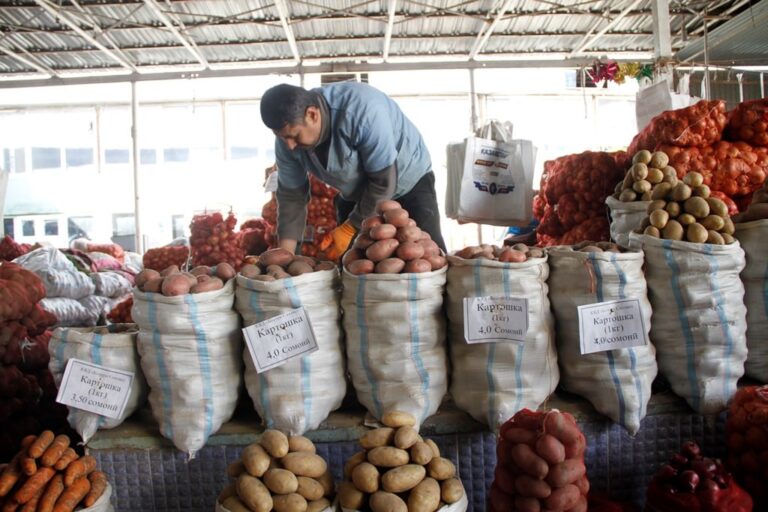
About 70 percent of Tajikistan's population lives in rural areas where agricultural labor is the only employment available.  Agriculture makes up for 25 percent of the economy's gross domestic product (GDP) and employs 53 percent of the country’s population. However, the lowest average monthly wage is reported in the agrarian sector – about 700.00 somonis.    
Join us on social media!

Article translations:

Related Article

Оби зулол
Оби зулол

Most Read

Recent Articles

The only GPW veteran in Dushanbe allocated more than 80,000 somoni

The mayor's office of Dushanbe allocated him 25,000 somoni.

GITEX AI Kazakhstan 2026: how Almaty became the main AI hub of Central Asia

More than 300 companies and startups, over 200 speakers and 100 investors from 50 countries — the region is entering the global stage.

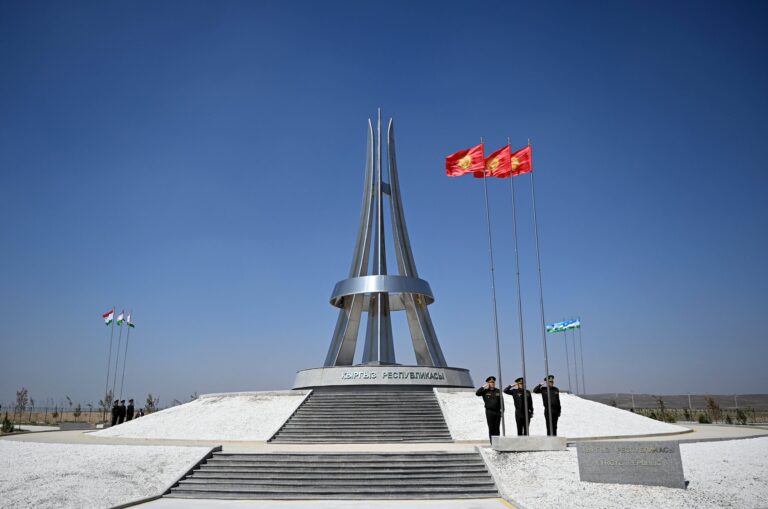
A trade and economic park to be built at the border junction of Tajikistan, Kyrgyzstan, and Uzbekistan

President of the Kyrgyz Republic Sadyr Japarov familiarized himself with the project.

A project to protect soil from degradation to be developed in Central Asia

The initiative is of great significance for the mountainous countries of the region, including Tajikistan.

Mudslide, death, and destroyed homes: hundreds of families in Tajikistan left homeless

A correspondent from "Asia-Plus" visited Kulob and spoke with the families of those who died and were affected by the disaster.

Spring 2026 bright event: new issue of VIPzone now on sale

This issue is about people and ideas that change everything: from business and investments to fashion, food, and urban environment.

Godfrey Sullivan: “Tajikistan is a promising market for Visa to develop digital payments”

The Vice President of Visa explained why Tajikistan is becoming a promising market for digital payments and how artificial intelligence is influencing the future of finance.

Seven students in Dushanbe were threatened with expulsion for arriving at universities in personal cars

The materials for each case have been sent to the Ministry of Education and Science for appropriate actions.

India’s blockchain push and lessons for the global south

The Indian Government has started pushing aggressively its agenda...

India’s blockchain push and lessons for the global south

The Indian Government has started pushing aggressively its agenda...