Amendments aimed at tightening criminal proceedings for preventing children from attending school have been made to Tajikistan’s Penal Code.
Sadoi Mardum newspaper, an official mouthpiece of Tajik Parliament, says changes and addenda proposed to the country’s Penal Code were discussed at a session of Parliament in early May.
Sadoi Mardum reported on May 13 that a regular sitting of the fifth session of the Majlisi Namoyandagon (Tajikistan’s lower chamber of parliament) of the sixth convocation, presided over by its head, Mahmadtoir Zokirzoda, took place on May 8.
Presenting a bill on amendments proposed to the country’s Penal Code to lawmakers, the Presidential Adviser for Legal Issues Zarif Alizoda said the amendments are aimed at tightening criminal penalties for obstructing school education.
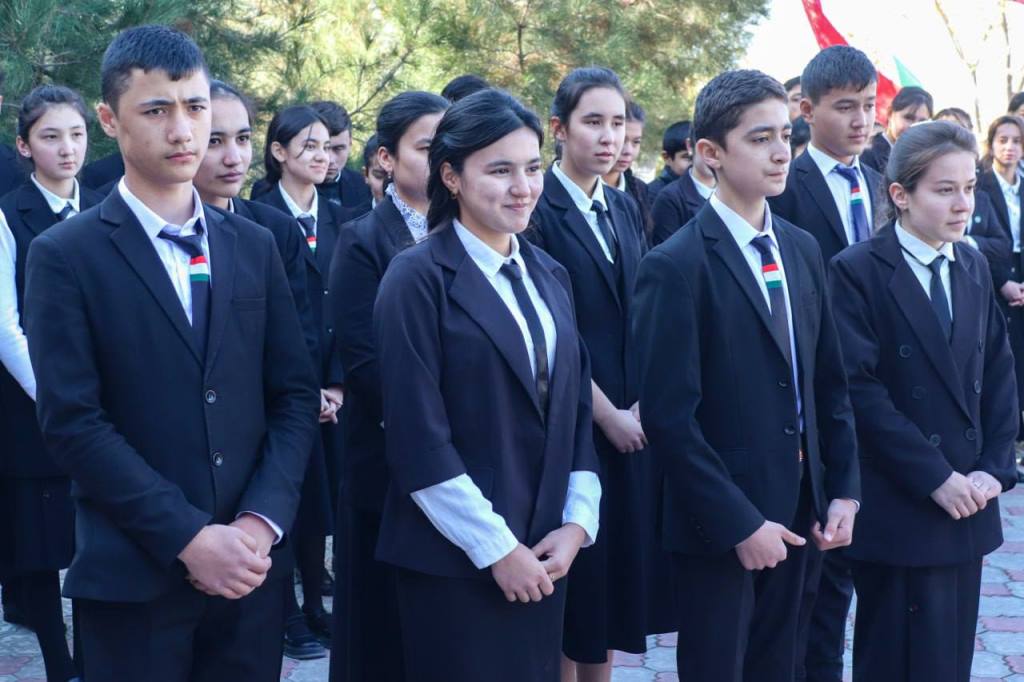
He reminded that under amendments made to the country’s law on education, attending grades 10-11 (upper secondary education) in school has become compulsory in Tajikistan. Before that education from grades 1-9 was compulsory. Now, if students do not want to continue studying in grades 10-11, they must continue studying at vocational technical schools.
“Accordingly, Article 164 of Tajikistan’s Penal Code (Obstruction of obtaining basic general education) has been revised and criminal liability under this article has been tightened,” Alizoda said.
Under the proposed amendments, Article 174, which had previously stipulated that failure to fulfill the obligation to educate and upbring a minor is now punishable by a fine or by up to two years in correctional labor, now stipulates that failure to fulfill the obligation to educate and upbring a minor is now punishable by up to two years in prison and deprivation of the right to hold certain positions or engage in certain activities for up to three years or without it.
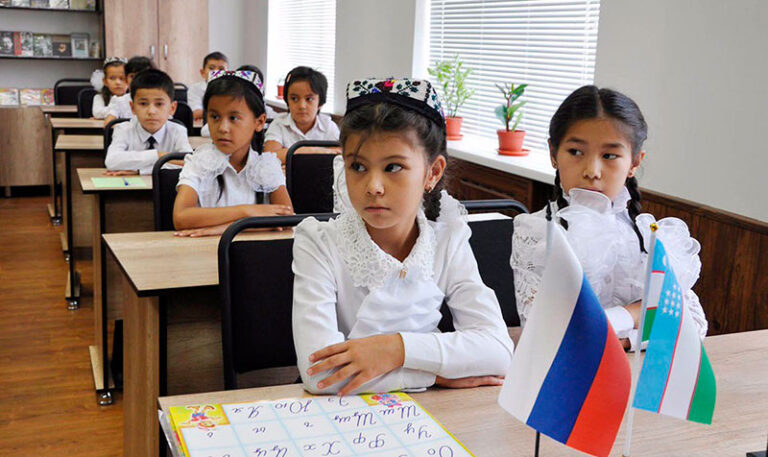
Tajikistan’s education system is structured so that the primary school cycle lasts 4 years, lower secondary lasts 5 years, and upper secondary lasts 2 years.
Tajikistan’s education system, which follows the model adopted when the country was part of the former Soviet Union, comprises: (i) preschool education; (ii) 11 years of general education, including primary (grades 1–4), lower secondary (grades 5–9), and upper secondary (grades 10–11); (iii) primary vocational education and training (PVET); (iv) secondary vocational education and training; and (v) higher education. Everyone has the right to education, and education from grades 1-9 is compulsory.
The Ministry of Education and Science (MoES) manages all levels of the education system except for PVET, which is under the Ministry of Labor, Migration and Employment (MoLME).
Compulsory education refers to a period of education that is required of all people and is imposed by the government. This education may take place at a registered school or at other places.