Central Asia in danger of losing up to 6% of GDP due to natural disasters

The World Bank, in collaboration with the Astana Financial Services Authority (AFSA), hosted a regional conference entitled “Disaster Risk Financing and Insurance in Central Asia” on November 12-13 to discuss solutions the region can adopt to be financially prepared for the mounting disaster risks. Central Asia’s nations – Kazakhstan, Kyrgyzstan, Tajikistan, Turkmenistan and Uzbekistan — […]

Asia-Plus

The World Bank, in collaboration with the Astana Financial Services Authority (AFSA), hosted a regional conference entitled “Disaster Risk Financing and Insurance in Central Asia” on November 12-13 to discuss solutions the region can adopt to be financially prepared for the mounting disaster risks.

Central Asia’s nations – Kazakhstan, Kyrgyzstan, Tajikistan, Turkmenistan and Uzbekistan — share a similar disaster risk profile with intense seismic risk and climatic hazards.  

A 2023 World Bank risk assessment estimates that, on average, earthquakes across the region cause US$2 billion in losses per year, while floods result in losses ranging from US$1.5 billion to US$2.2 billion annually.  On average, earthquakes alone affect four million people each year.  

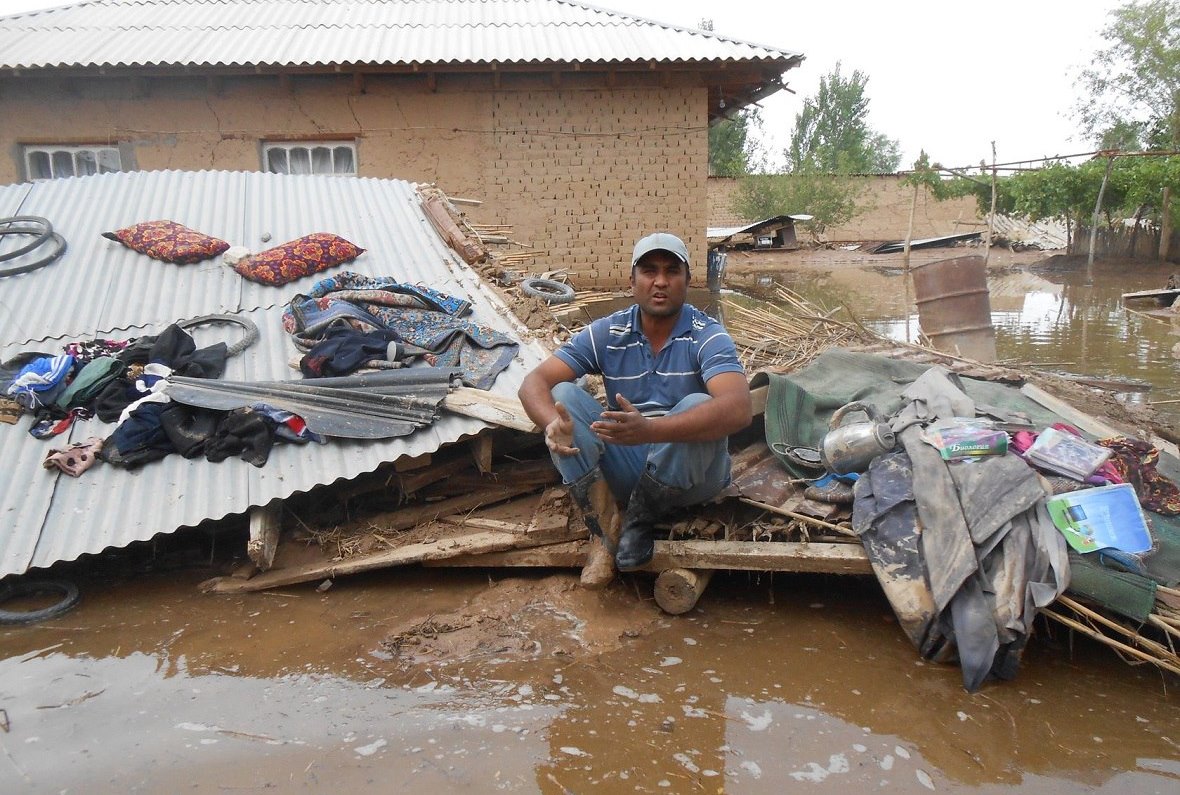
Due to the climate change, floods are reportedly becoming a major risk factor for the Central Asian economies, with the extreme event losses ranging between 1% and 6% of gross domestic product (GDP).

Financial resilience in Central Asian countries is insufficient, as available funding does not fully cover post-disaster costs. World Bank analysis highlights a funding gap across the region.  For example, in Tajikistan, the gap can exceed US$400 million annually and reach up to US$1.5 billion for large disasters.  In Uzbekistan, this gap reportedly may exceed US$1 billion each year and rise to US$15 billion for major events. With underdeveloped or nearly non-existent insurance markets in Central Asia, such gaps will have to be covered through budget reallocation, borrowing, donor aid, or may remain unfunded.

The conference reportedly aimed to bring together key stakeholders, policymakers, and the private sector to discuss solutions that Central Asian countries can adopt to improve financial preparedness for rising disaster risks.

The conference served as a platform for participants to share experiences, best practices, and innovative approaches in disaster risk financing, exploring strategies that could help the region address escalating disaster costs, accelerate recovery times, and support better rebuilding after disasters.


 

Join us on social media!

Article translations:

Related Article

Оби зулол
Оби зулол

Most Read

Recent Articles

The only GPW veteran in Dushanbe allocated more than 80,000 somoni

The mayor's office of Dushanbe allocated him 25,000 somoni.

GITEX AI Kazakhstan 2026: how Almaty became the main AI hub of Central Asia

More than 300 companies and startups, over 200 speakers and 100 investors from 50 countries — the region is entering the global stage.

A trade and economic park to be built at the border junction of Tajikistan, Kyrgyzstan, and Uzbekistan

President of the Kyrgyz Republic Sadyr Japarov familiarized himself with the project.

A project to protect soil from degradation to be developed in Central Asia

The initiative is of great significance for the mountainous countries of the region, including Tajikistan.

Mudslide, death, and destroyed homes: hundreds of families in Tajikistan left homeless

A correspondent from "Asia-Plus" visited Kulob and spoke with the families of those who died and were affected by the disaster.

Spring 2026 bright event: new issue of VIPzone now on sale

This issue is about people and ideas that change everything: from business and investments to fashion, food, and urban environment.

Godfrey Sullivan: “Tajikistan is a promising market for Visa to develop digital payments”

The Vice President of Visa explained why Tajikistan is becoming a promising market for digital payments and how artificial intelligence is influencing the future of finance.

Seven students in Dushanbe were threatened with expulsion for arriving at universities in personal cars

The materials for each case have been sent to the Ministry of Education and Science for appropriate actions.

India’s blockchain push and lessons for the global south

The Indian Government has started pushing aggressively its agenda...

India’s blockchain push and lessons for the global south

The Indian Government has started pushing aggressively its agenda...