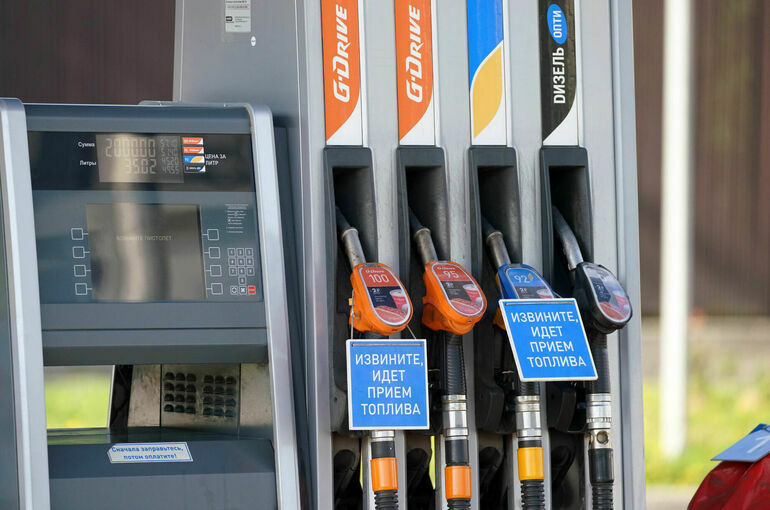
The Russian government is imposing a ban on the export of automobile gasoline from March 1 to August 31, inclusive. The decree was signed on February 26.
The restriction will not apply to supplies carried out directly by oil product manufacturers.
The decree states that the decision was made to maintain stability in the domestic fuel market, support the oil refining industry, and combat the gray export of automobile gasoline.
Earlier, Russia had extended the ban on gasoline exports until the end of February. It was noted that exemptions were granted to producers who had processed more than 1 million tons of oil in 2022 under intergovernmental agreements within indicative balances.
The gasoline export ban was initially introduced in Russia on March 1, 2024, amid a sharp rise in wholesale fuel prices and the risk of shortages in the domestic market. The measure was supposed to last for six months, but from late May to August, restrictions were temporarily lifted.
Kommersant reports that it was expected that the ban would remain in place until the end of last year, but in November 2023, it was extended until January 31, and then again until the end of February.
The need for this measure was previously explained as an effort to "mitigate the surge in demand for petroleum products." It is also intended to help "stabilize prices in the domestic oil products market."
Will the ban affect Tajikistan?
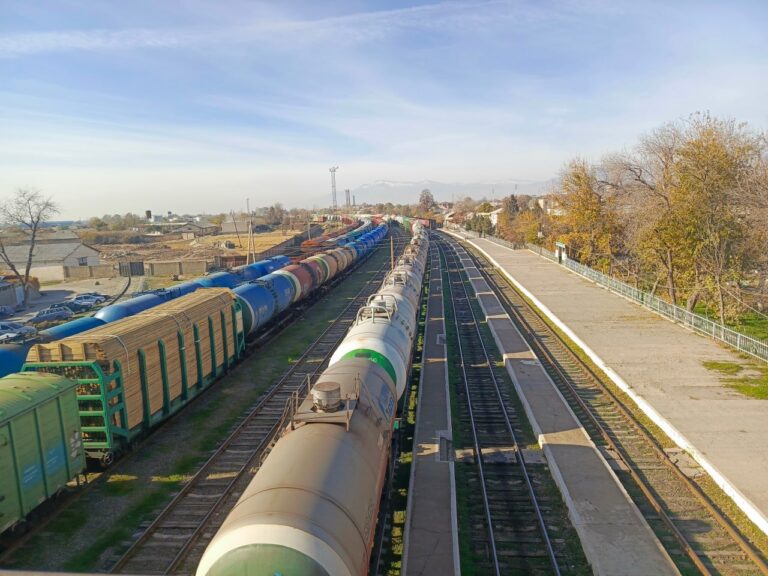
Restrictions on the export of Russian petroleum products will not affect Tajikistan, as the country has been receiving them under a preferential agreement between the two governments since 2013.
Tajikistan was exempted from paying Russian tariffs on oil and gas exports from 1995-2010 and Russia cancelled Tajikistan’s tax exemption on May 1, 2010 that resulted in gasoline prices rising in the country.
The agreement on duty-free Russian oil product deliveries to Tajikistan was signed between the governments of Russia and Tajikistan in Moscow on February 6, 2013.
Under this agreement, the sides consider and endorse the indicative fuel balance for the next calendar before October 1 of each year. Fuels delivered in addition to the indicative fuel balance will be liable to export duty.
Russian oil products delivered to Tajikistan in the volumes not exceeding those agreed on indicative balance are not subject to re-export to the third countries.
In 2024, this volume amounts to 1 million tons. The bulk of these supplies consists of gasoline and diesel fuel, as well as jet fuel, fuel oil, and other petroleum products.
Petroleum products are mainly delivered to Tajikistan from the Omsk Oil Refinery, which is part of the Gazprom Neft Company. In 2024, Tajikistan imported 451,000 tons of gasoline, which is 2.7% more than in 2023. The price of gasoline increased by 13.9%, reaching US$746 per ton.