As water scarcity intensifies and agricultural output stagnates, Tajikistan is under mounting pressure to overhaul its outdated irrigation systems or risk accelerating rural migration and food insecurity.
The high price of new farmland
According to the State Program for the Development and Restoration of Agricultural Land (2022–2027), the cost of developing one hectare of new land ranges from 50,000 to 70,000 somonis (US$4,900–US$6,900). In challenging terrain, costs can soar to US$20,000–US100,000 per hectare due to the need for complex engineering works.
In contrast, restoring previously abandoned farmland costs significantly less — around US$1,080 to US$1,970 per hectare.
An irrigation system in crisis
Half of Tajikistan’s pumping stations are no longer operational. As of April 2025, water users owed nearly 279 million somonis (about US$27 million), with most of that debt owed to the national power utility, Barqi Tojik.
Electricity consumption has dropped due to reduced irrigation activity, but rising tariffs have left the sector financially paralyzed.
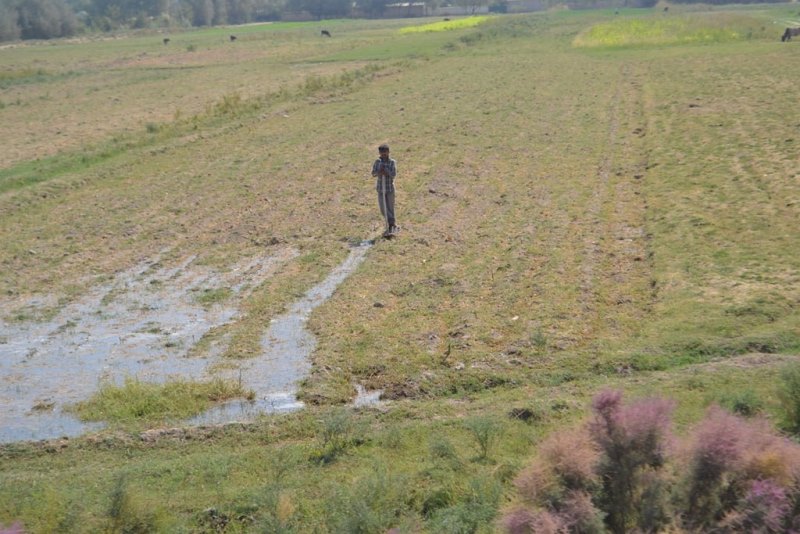
Water losses of up to 75% in some areas underscore the inefficiency of aging infrastructure.
Millions for modernization
To address the crisis, the government has launched a 563 million somonis (US$54 million) modernization plan — with nearly 90% funded by international donors. Projects supported by the World Bank, European Union, and Asian Development Bank include the installation of energy-efficient pumps, solar-powered irrigation systems, and water-saving technologies like drip irrigation.
Five strategic priorities
Five key priorities guide the reforms: 1) rebuilding physical infrastructure; 2) boosting energy efficiency; 3) adopting smart irrigation systems; 4) restoring degraded land; and 5) investing in human capital.
If fully implemented, the plan could bring nearly 17,000 hectares of land into use and generate over 64,000 rural jobs.
A race against time
But time is running out. Experts warn that without immediate reforms, rural areas could experience depopulation as farmers abandon unproductive land and seek better opportunities abroad or in cities.
Experts estimate that by 2030, per capita access to irrigated land will drop to just 0.06 hectares — one of the lowest rates in Central Asia.
“Delaying investment in irrigation will cost the country dearly,” said hydraulic engineer Kamoliddin Sirojiddinov. “Without government support, the return on investment could take up to 50 years.”
The stakes are high: failure to act could lead to lower crop yields, higher food prices, and growing dependence on imports — threatening not just economic stability, but national security.