Tajikistan's external trade turnover has reached over US$3.91 billion over the first five months of 2025, slightly up compared to the same period last year.
However, this increase was driven primarily by imports, as the country continues to buy more than it sells abroad. The trade deficit has now surpassed $2.3 billion.
What is Tajikistan exporting?
According to the Customs Service under the Government of Tajikistan, exports over the reporting period has declined by 13% to US$776.2 million, while imports have risen by 6%, totaling US$3.14 billion January-May this year.
Trade with neighboring CIS countries—including Russia, Kazakhstan, Uzbekistan, and Kyrgyzstan—grew by 5.5%, yet Tajikistan's exports to these nations dropped by nearly 25%. In contrast, import volumes increased, highlighting a widening trade imbalance.
The trade gap is especially pronounced with Russia, where imports far exceed exports. A similar trend is observed with Kazakhstan. Only trade with Uzbekistan appears relatively balanced, with higher export volumes compared to other regional partners.
In trade with non-CIS countries such as China, Turkiye, Iran, and the Netherlands, overall turnover fell by 1.5%. Exports to these markets dropped nearly 9%, while imports saw a slight increase.
China remains Tajikistan’s largest trading partner, though the trade balance continues to favor Beijing. One notable exception is the Netherlands, where Tajikistan enjoys a positive trade balance—exporting significantly more than it imports.
Unprocessed gold remains Tajikistan's top export item, contributing a significant share of the country's foreign currency earnings. Other major export items include raw aluminum, lead-zinc ores and concentrates, cotton fiber, electricity, and cement. These six items make up the bulk of the nation’s total exports.
What is Tajikistan importing?
Tajikistan’s imports are dominated by food products, fuel, pharmaceuticals, and various machinery and equipment.
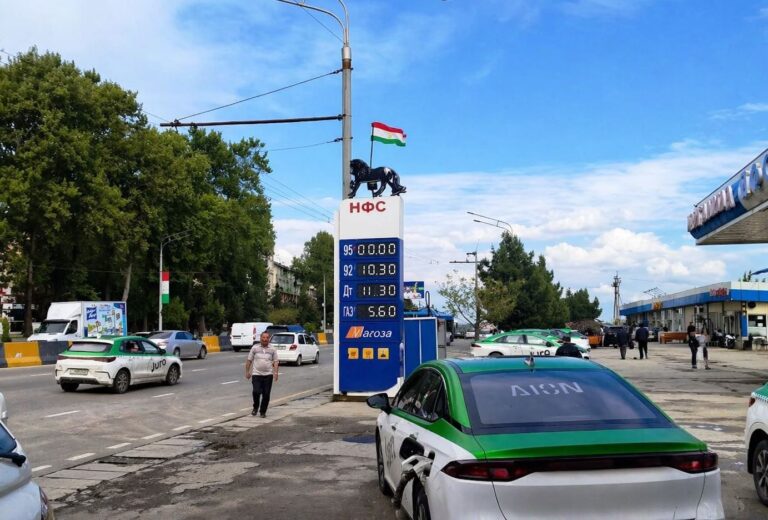
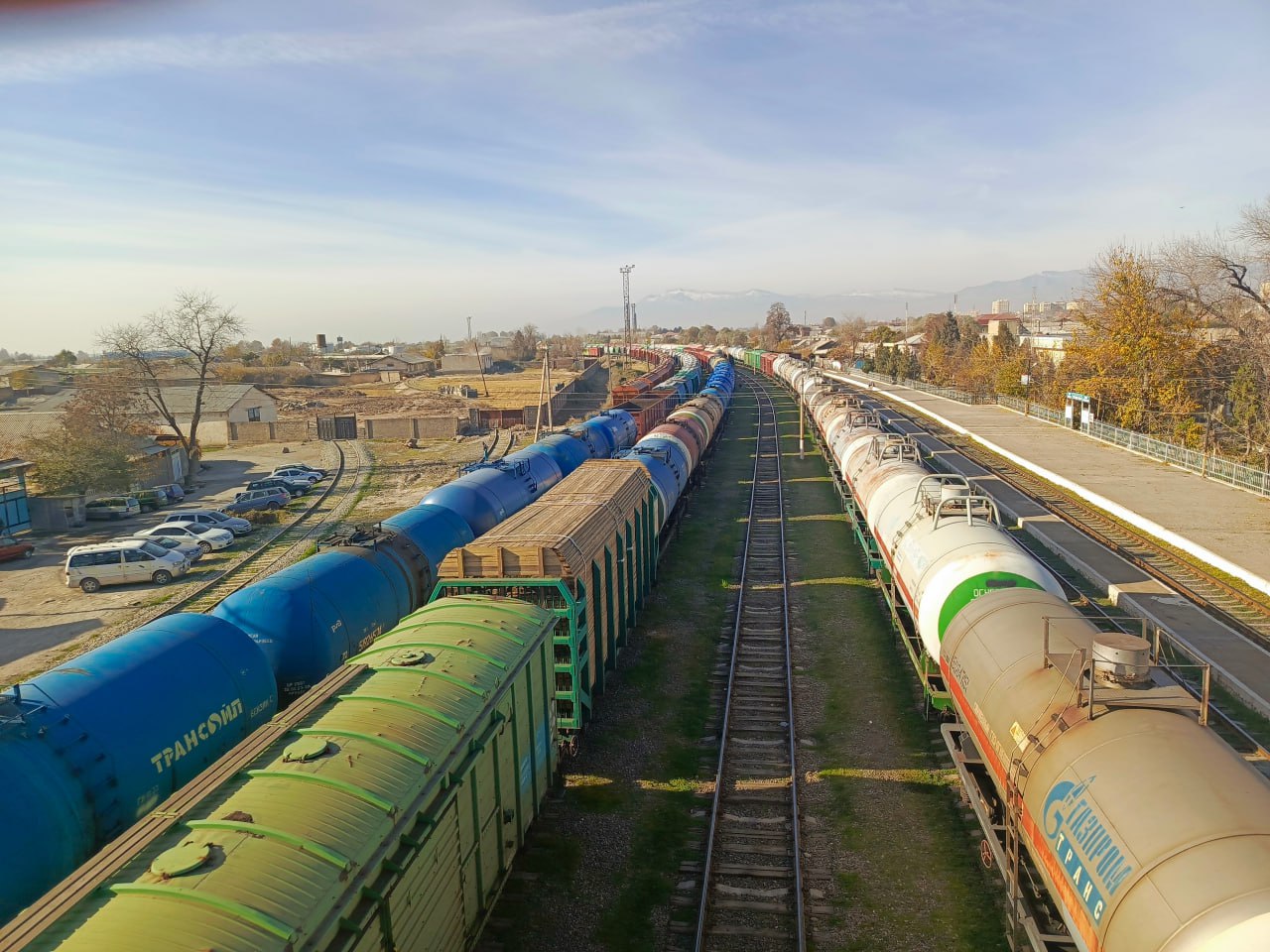
Wheat tops the list, with nearly all imports coming from Kazakhstan. Pharmaceuticals rank second, followed by petroleum products such as gasoline and diesel fuel—mainly sourced from the Russian Federation.
Other key imports include machinery, automobiles, flour, vegetable oils, ferrous metals, liquefied gas, and rice.
Over the same five month period, Tajikistan's major trading partners were:
· China — US$964.1 million (exports: $177.5M, imports: $786.7M)
· Russia — US$899.5 million (exports: $41.7M, imports: $857.9M)
· Kazakhstan — US$481.4 million (exports: $31.3M, imports: $450.1M)
· Uzbekistan — US$274.3 million (exports: $81.2M, imports: $193.0M)
· The Netherlands — US$228.7 million (exports: $218.7M, imports: $10.0M)
· Iran — US$187.9 million (exports: $45.5M, imports: $142.4M)
· Turkiye US$186.7 million (exports: $111.7M, imports: $74.9M)
The persistent trade imbalance underscores the challenges facing Tajikistan’s export-driven growth strategy. Analysts say reducing dependency on imports and diversifying export products could help improve the country's external economic position.