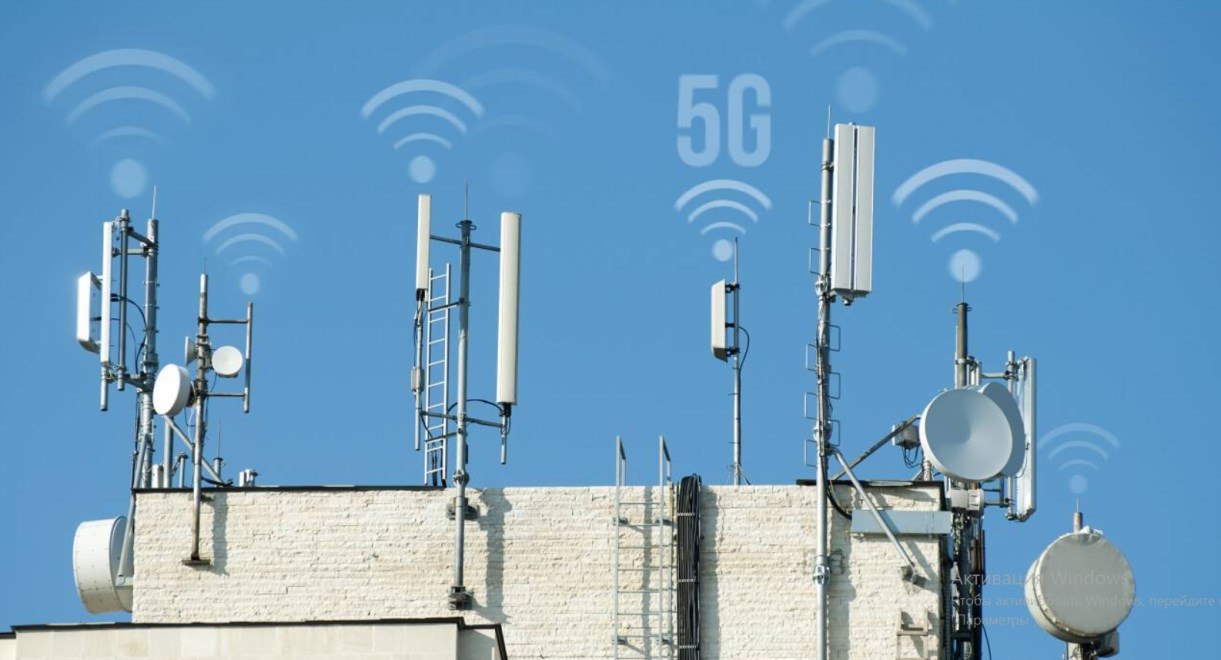
The Communications Service under the Government of Tajikistan says that the sharp increase in fees for the use of radio frequencies by mobile operators is intended to regulate the market and ensure fair competition, and will not lead to higher prices or a decline in the quality of internet services.
Speaking at a press conference on January 28, Communications Service head Isfandiyor Saidullo said radio frequencies are a limited state resource and must be used efficiently.
“When mobile operators set their tariffs, the cost of using state resources, including radio frequencies, is already taken into account. Despite the increase in frequency fees, we do not expect service prices to rise. This decision is aimed solely at regulation and creating favorable conditions for healthy competition,” he said.
According to Saidullo, some operators previously acquired radio frequencies at low cost but did not use them, effectively blocking sector development and limiting opportunities for other companies.
“Once pricing is adjusted, operators will be motivated to use frequencies efficiently rather than hold them unused,” he added.
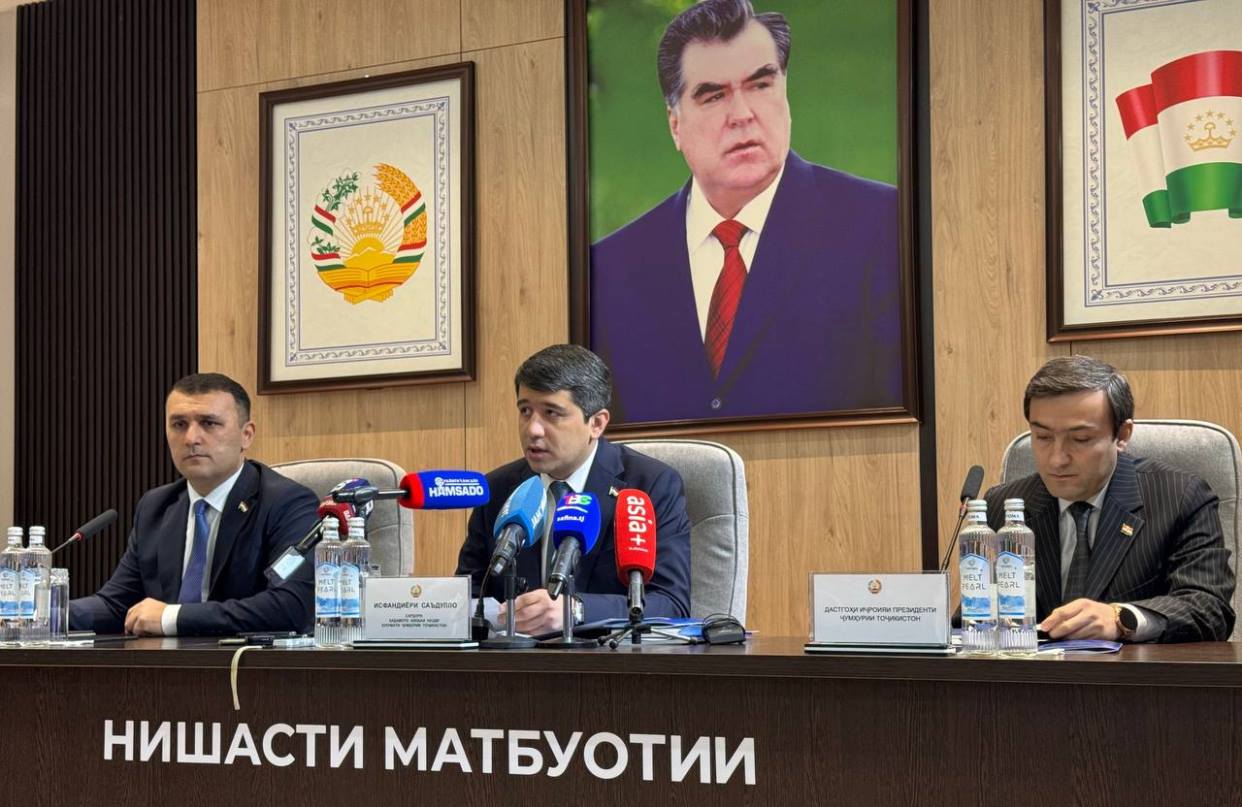
Saidullo explained that frequency fees vary depending on the region and the number of subscribers. He said that if operators use frequencies effectively and ensure nationwide 4G coverage, the financial burden would be minimal and would not affect consumer tariffs.
Under a government decree that took effect in September last year, fees for using 2G and 3G frequencies increased about 400 times, while fees for 4G and 5G rose more than 560 times. In Dushanbe, the annual cost of one frequency now stands at 14,040 somoni for 2G–3G and between 16,380 and 19,890 somoni for 4G–5G. Previously, the fee was 35 somoni per year regardless of the communication standard.
Mobile operators have so far declined to comment publicly. However, industry representatives speaking on condition of anonymity say the changes could result in additional costs amounting to tens of millions of somoni.
“If a company previously paid around 3,500 somoni per year for 100 frequencies, under the new rules in Dushanbe this amount could rise to 1.4 million somoni for 2G–3G and nearly 2 million somoni for 4G–5G,” one operator representative said.
Experts note that some companies use 200 to 300 frequencies or more, significantly increasing the financial burden. Higher tariffs have also been introduced for radio frequency use in other segments of the communications sector.