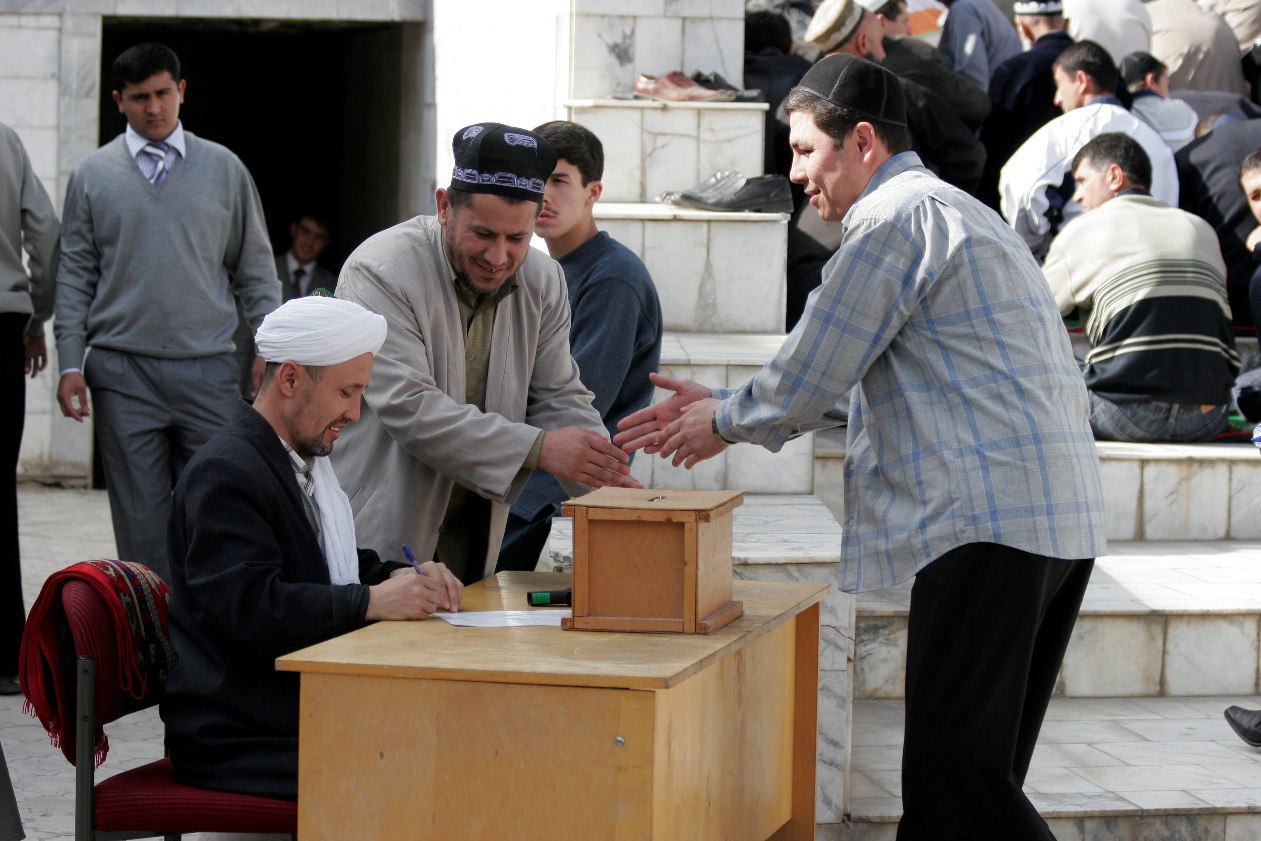
This year, the holy month of Ramadan (Ramazon) will begin in Tajikistan on February 19, 2026, with citizens observing fasting until March 20. This was confirmed by Afshin Muqim, the spokesperson for the Committee on Religion, Regulation of Traditions, Celebrations, and Rituals under the Government of Tajikistan (Committee), in an interview with Asia-Plus.
According to Muqim, astronomical calculations have confirmed that the start of Ramadan in 2026 falls on Thursday, February 19, according to the lunar calendar.
He also mentioned that the country's Shuroi Ulamo (Council of Ulema -– Tajikistan’s highest Islamic institution) held a meeting on February 10, where a decision was made based on the conclusion of the Astrophysics Institute of the National Academy of Sciences of Tajikistan (NANST).
The meeting reportedly also addressed changes in religious obligations. Specifically, in 2026, the amount of sadaqa al-fitr has been reduced compared to last year, while the amount of zakat has increased.
Changes in religious obligations:
· Sadaqa al-Fitr (also known as Zakat al-Fitr) is charity given to the poor at the end of the fasting in the Islamic holy month of Ramadan. The Arabic word Fitr means the same as iftar, breaking a fast, and it comes from the same root word as Futoor which means breakfast. Sadaqa al-Fitr is a duty which is wajib (required) of every Muslim, whether male or female, minor or adult as long as he/she has the means to do so. This amount is reportedly based on an average price for two kilograms of wheat. This year, each Muslim must pay 7.00 somoni as sadaqa al-fitr, which is 1.00 somoni less than in 2025 (8.00 somoni).
· Zakat is a form of alms-giving treated in Islam as a religious obligation or tax,] which, by Quranic ranking, is next after prayer (salat) in importance. As one of the Five Pillars of Islam, zakat is a religious obligation for all Muslims who meet the necessary criteria of wealth. It is a mandatory charitable contribution, often considered to be a tax. Zakat is based on income and the value of all of one's possessions. It is customarily 2.5% (or 1/40) of a Muslim's total savings and wealth above a minimum amount known as nisab, but Islamic scholars differ on how much nisab is and other aspects of zakat. According to Islamic doctrine, the collected amount should be paid to the poor, the needy. Today, in most Muslim-majority countries, zakat contributions are voluntary, while in a handful (Libya, Malaysia, Saudi Arabia, Sudan, and Yemen), zakat is mandated and collected by the state. This yrar, those with savings of 64,000 somoni or more must pay zakat of 1,600.00 somoni. Last year, the savings threshold was 36,900 somoni, and the zakat was 880.00 somoni. Thus, zakat has nearly doubled in 2026.
· Fidyah or fidya is religious donation made in Islam when a religious obligation (such as fast for Ramadan) has been missed or broken. Fidyah serves as compensation for when a Muslim was unable to fulfill the obligation for reasons beyond their control. This year, for those unable to fast for valid reasons, the fidya for 30 days is 420.00 somoni (14 somoni per day), which is 60.00 somoni less compared to 2025 (480.00 somoni for 30 days).
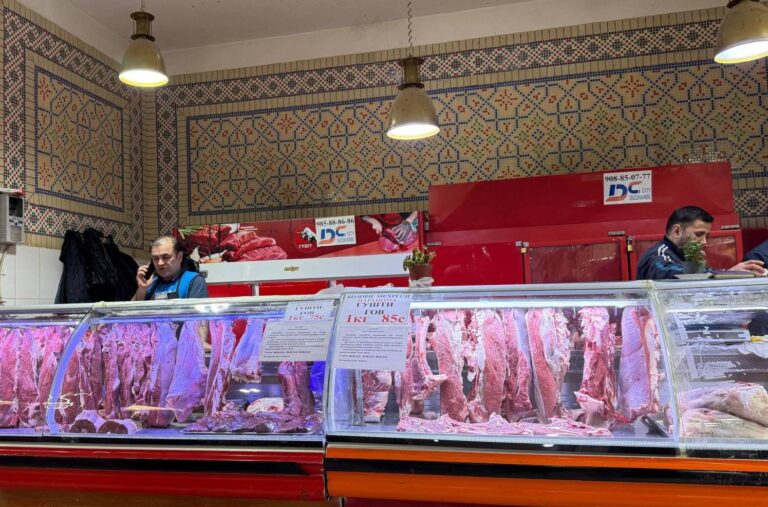
The Committee noted that the changes in sadaqa al-fitr, zakat and fidyah amounts are linked to fluctuations in the prices of gold and wheat. Since the price of gold has risen this year, the zakat has also increased. On the other hand, the sadaqa al-fitr is calculated based on the price of wheat, which has decreased in Tajikistan this year, leading to a reduction in the sadaqa al-fitr amount. Similarly, fidyah has been lowered due to the decrease in wheat prices.
Earlier reports indicated that this year, Ramadan in Tajikistan was set to begin on February 18. However, it was later found that this date did not align with the lunar cycle used to determine the start of Ramadan.
Last year, the holy month of Ramadan began on March 1.
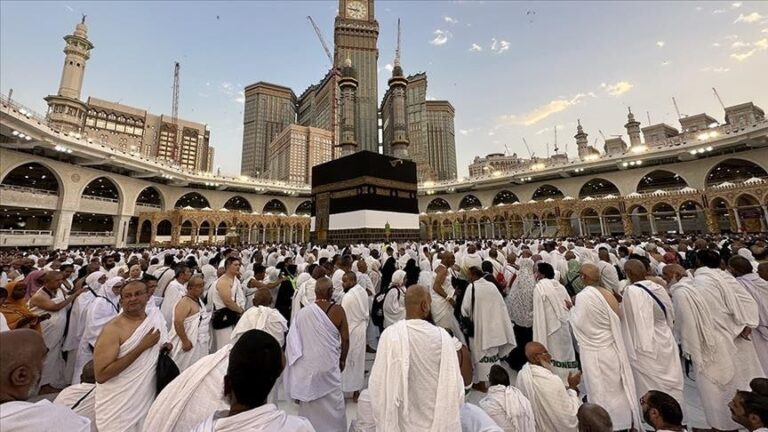
The fasting, which is the fourth pillar of Islam, is practiced during the month of Ramadan. Ramadan is derived from an Arabic word for intense heat and sun-scorched ground. It is the ninth month of the Islamic (Hijri) calendar, established in the year 638 CE. It is considered the most venerated, blessed and spiritually-beneficial month of the Islamic year. Prayers, fasting, charity, and self-accountability are especially stressed at this time; religious observances associated with Ramadan are kept throughout the month.
The most prominent event of this month is the fasting practiced by observant Muslims. Every day during the month of Ramadan, Muslims around the world get up before dawn to eat the Suhoor meal (the predawn meal) and perform their fajr prayer. They break their fast when the fourth prayer of the day, Maghrib (sunset), is due.
During Ramadan, Muslims are expected to put more effort into following the teachings of Islam and to avoid obscene and irreligious sights and sounds. Purity of both thought and action is important. The fast is intended to be an exacting act of deep personal worship in which Muslims seek a raised level of closeness to God Almighty. The act of fasting is said to redirect the heart away from worldly activities, its purpose being to cleanse the inner soul and free it from harm. Properly observing the fast is supposed to induce a comfortable feeling of peace and calm. It also allows Muslims to practice self-discipline, sacrifice, and sympathy for those who are less fortunate, intended to make Muslims more generous and charitable. Muslims can eat after the sun has set. Pregnant women, the elderly, the ill, travelers and children who have not reached puberty are all exempt from fasting as lack of food and liquid in these situations could be detrimental to health.