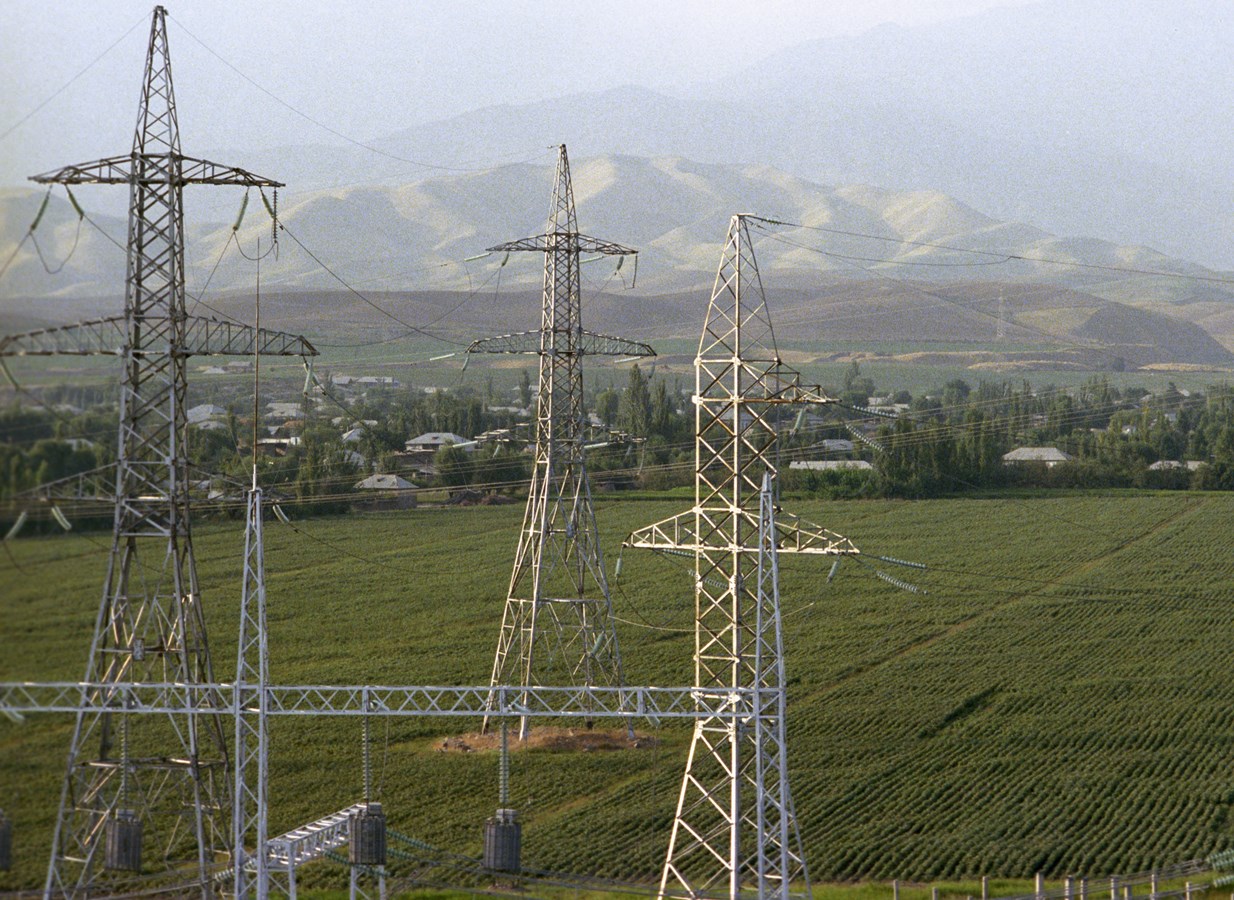
In Tajikistan, due to the arrival of the holy month of Ramadan, the electricity supply schedule for the population will be adjusted. During this month, electricity will be supplied for 17 hours a day. Qurbon Ahmadzoda, a spokesman for Open Joint Stock Company (OJSC) Barqi Tojik (power generation company), reported this at a news conference in Dushanbe.
According to his statement, starting from February 19, electricity will be supplied from 3:00 PM to 8:00 AM. From 8:00 AM to 3:00 PM, the electricity supply will be suspended.
Until now, residents of the regions received electricity only for 7 hours a day — from 5:00 AM to 8:00 AM and from 5:00 PM to 9:00 PM. However, the exact timing of electricity supply has not always been strictly adhered to and varies across different areas.
Earlier, at a press conference in late January, Minister of Energy and Water Resources Daler Juma promised that electricity supplies would increase during Ramadan. He expressed confidence that this year, the provision of electricity to the population would be better than in the previous year.
Mr. Juma also mentioned that, due to recent rainfall and measures taken by the energy authorities, there is a possibility that electricity supply restrictions will be lifted earlier than usual, though he did not specify when this would happen.
Electricity supply restrictions in Tajikistan typically begin in the second half of September. In recent years, Barqi Tojik has officially acknowledged the existence of such limits, whereas in the past, they would not confirm them. However, no official announcement regarding restrictions was made in the fall of 2025.
In his address to the parliament in December 2025, Tajikistan’s president, Emomali Rahmon, stated that after the commissioning of the third unit of the Roghun Hydro Power Plant in September 2027, the country would achieve energy independence.
Tajikistan struggles with electricity rationing 30 years after independence, despite long-held dreams of becoming an energy export powerhouse.
Measures rationing electricity supplies are usually introduced in all regions of the country except Dushanbe, regional administrative centers and major cities of the country and they seek to curb the country's rising electricity consumption. In addition to curbing rising consumption, the move also stems from a decline in the water level in the country's reservoirs powering the main hydroelectric power plants.