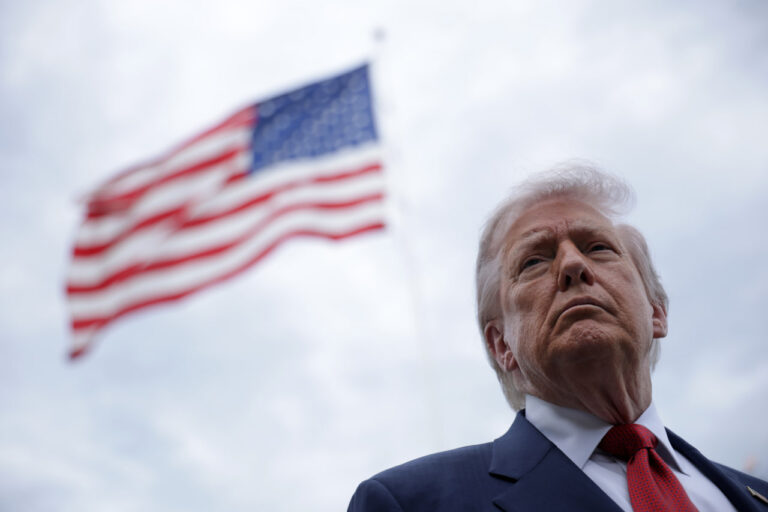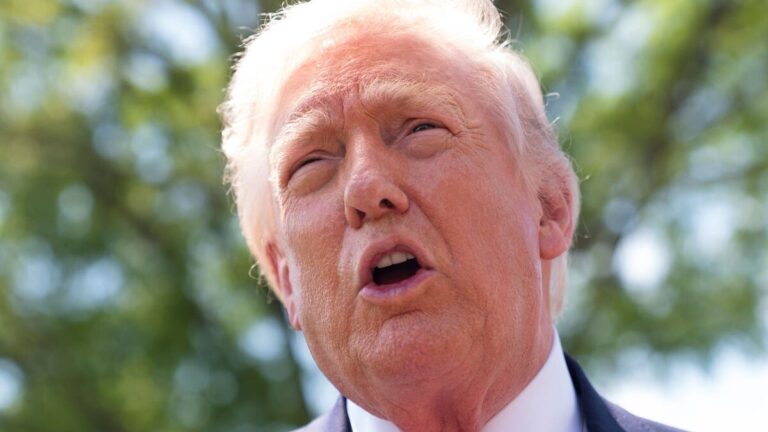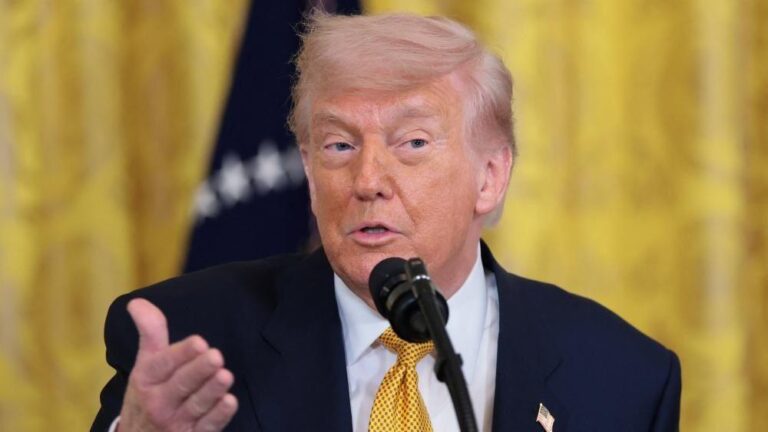




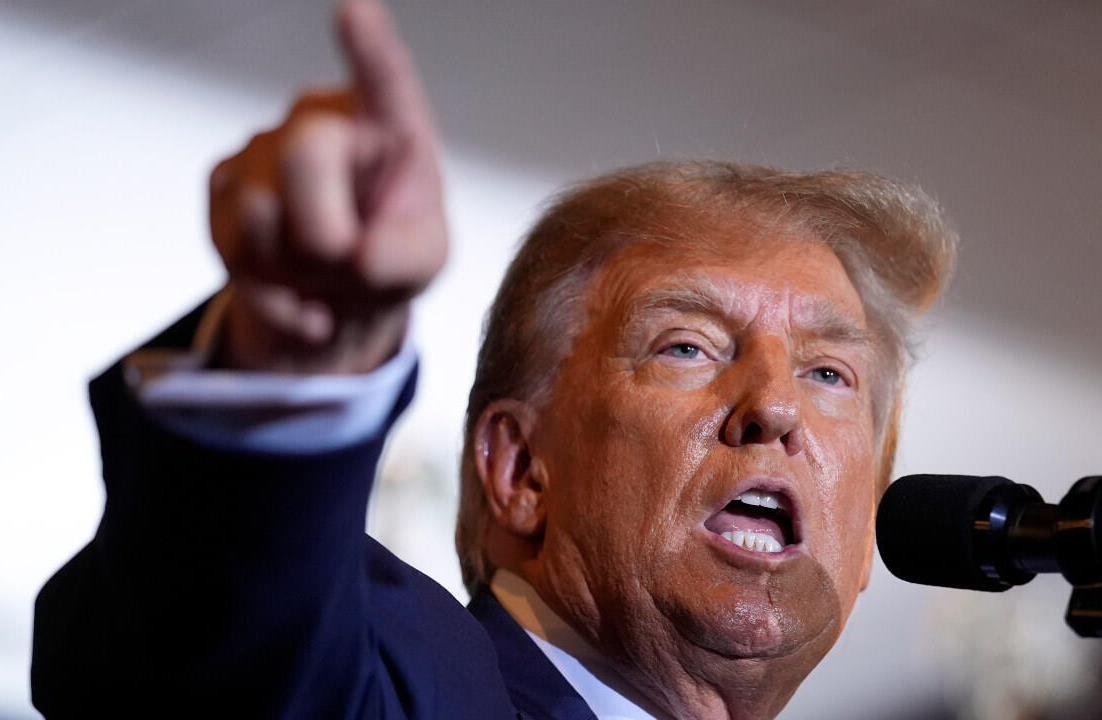
U.S. President Donald Trump stated that a second round of direct consultations with representatives of Iran could take place within the next two days, the BBC reports.
“Something might happen in the next two days, and we are more inclined to go there,” Trump said on April 14 in an interview with the New York Post.
This statement was made against the backdrop of Pakistan’s diplomatic efforts to break the deadlock following an unproductive meeting in Islamabad last weekend. According to AFP, Pakistani authorities are currently working on two fronts: organizing a new platform for dialogue and extending the existing two-week ceasefire.
Pakistan’s Finance Minister Muhammad Aurangzeb told the Associated Press that Islamabad will continue to act as a mediator. He reminded that the recent consultations were a historic event — they were the first direct negotiations between Washington and Tehran in nearly half a century.
UN Secretary-General António Guterres called the resumption of contacts “very likely.” After meeting with Pakistan’s Deputy Prime Minister Ishaq Dar, he again urged the parties to abandon a forceful scenario.
“There is no military solution to this crisis. Peace agreements require constant interaction and political will. Serious negotiations must resume,” Guterres emphasized.
At present, neither side has confirmed the exact location and time of the potential meeting.
According to CNN sources, U.S. Vice President J.D. Vance, along with Trump’s special envoys Steve Witkoff and Jared Kushner, who led negotiations with Iranian officials in the first round in Islamabad, will again participate in the second round of consultations with Tehran. Trump has tasked them with finding a diplomatic solution to the conflict.
Despite the failure of the first round, J.D. Vance previously expressed optimism about the negotiations with Iran, stating that the negotiators “made great progress” in Islamabad, but Trump is eager to strike a “great Trump-style deal” with Iran.
What is Happening in the Strait of Hormuz
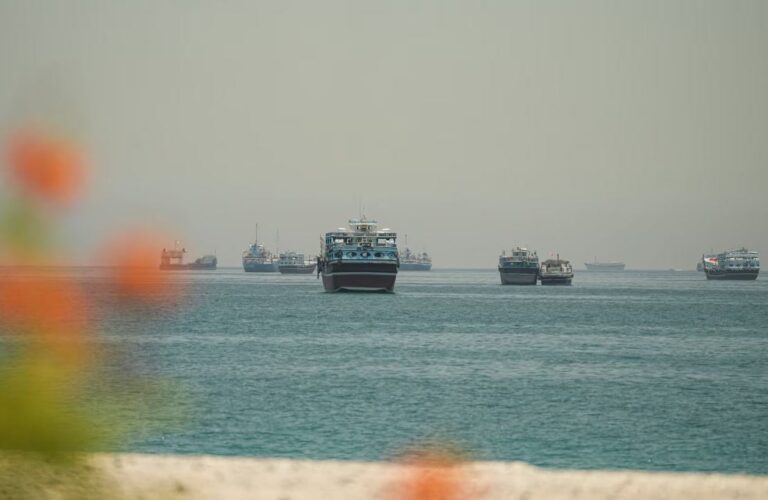
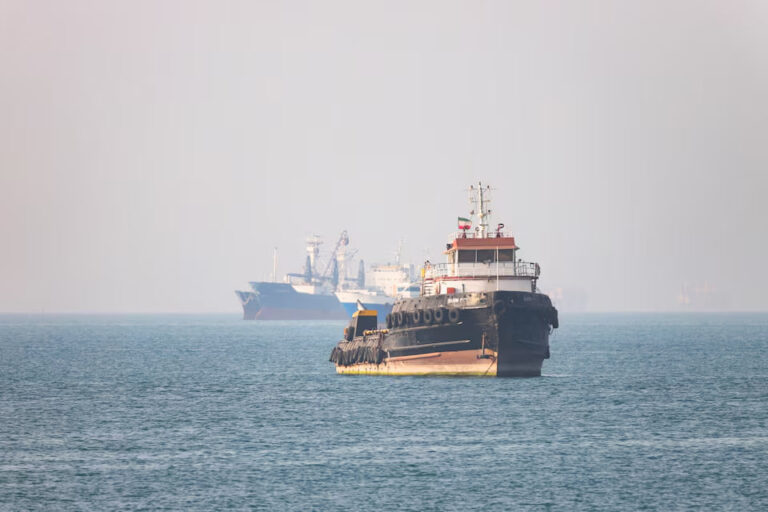
According to available data, since the announcement of the U.S. blockade on April 13, several ships have crossed the Strait of Hormuz, successfully leaving Iranian ports. Tehran sharply reacted to Washington’s actions, calling the U.S. retaliatory blockade an “act of piracy.” However, the actual effectiveness of the U.S. Navy’s efforts to isolate Iranian harbors remained in question during the first day.
An analysis of shipping data conducted by BBC Verify specialists confirms that on April 14, at least four vessels related to Iran passed through the strait, with two of them directly departing from Iranian ports. Another three foreign vessels crossed this zone shortly after the official start of the blockade the day before. Additionally, the Wall Street Journal, citing American sources, reported that more than 20 commercial vessels passed through on April 14.
This information directly contradicts official data from the U.S. Central Command (CENTCOM), which stated that no vessel managed to break the blockade on the first day, emphasizing that colossal resources are involved in the operation: over 10,000 military personnel, as well as dozens of warships and aircraft. According to the American military, 6 commercial vessels were forced to turn around and return to Iran, complying with their orders. BBC Verify’s research also recorded that two Iran-related vessels indeed changed course after passing through the strait following the introduction of restrictions.
On the international stage, the U.S. actions have drawn sharp criticism from China. Beijing called the blockade “dangerous and irresponsible,” warning that such steps would only exacerbate regional tension and jeopardize the extremely fragile ceasefire agreement.
Simultaneously, a diplomatic shift has been noted in Washington on another front: Israel and Lebanon held direct talks — the first since 1993. However, a senior U.S. administration official emphasized that these contacts are not related to the negotiation process between the U.S. and Iran taking place in Islamabad.
The war that began on February 28 continues to inflict severe blows on the global economy and markets. Shipping in and around the Persian Gulf is effectively paralyzed, and massive airstrikes have led to widespread destruction of military and civilian infrastructure throughout the region.
The conflict has resulted in significant human losses: at least 3,000 people in Iran, over 2,100 in Lebanon, 23 in Israel, and the number of casualties in the Arab states of the Persian Gulf has exceeded a dozen. Additionally, the conflict has claimed the lives of 13 American servicemen.
Read all the news about the Middle East war in our coverage.