
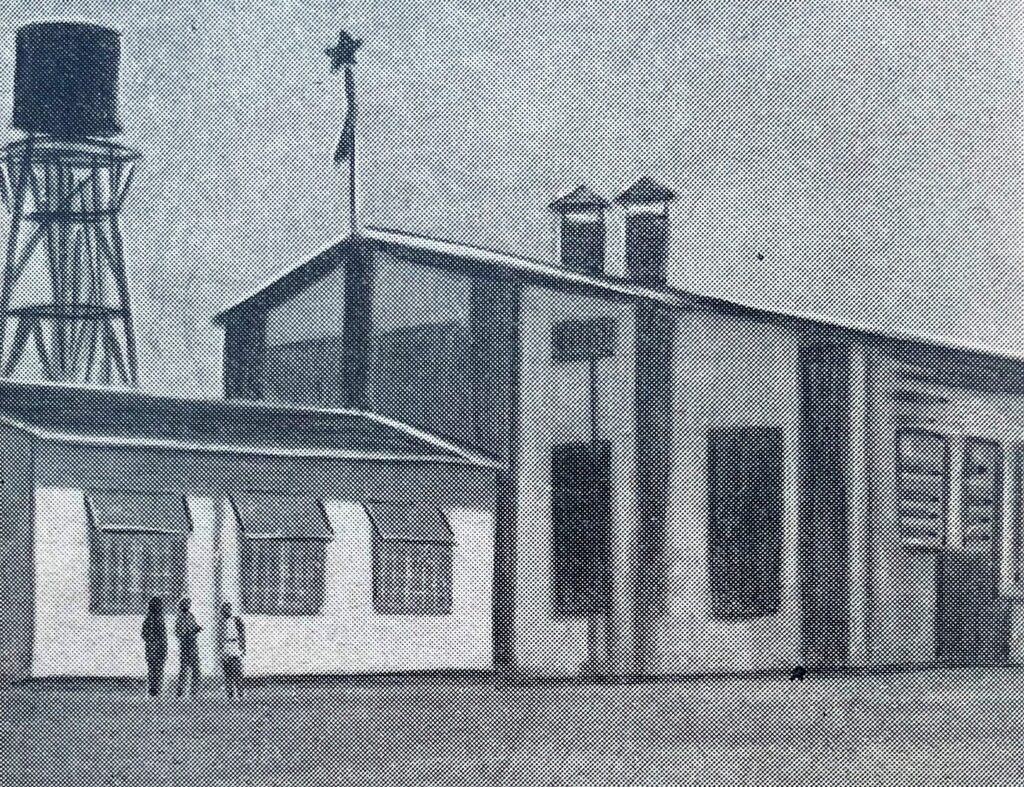
100 years ago – on April 15, 2026, in Dyushambe, as the capital of Tajikistan was then called, a remarkable event occurred: the first diesel power station with a capacity of 78 kW was put into operation, and the city received electricity for the first time in its history.
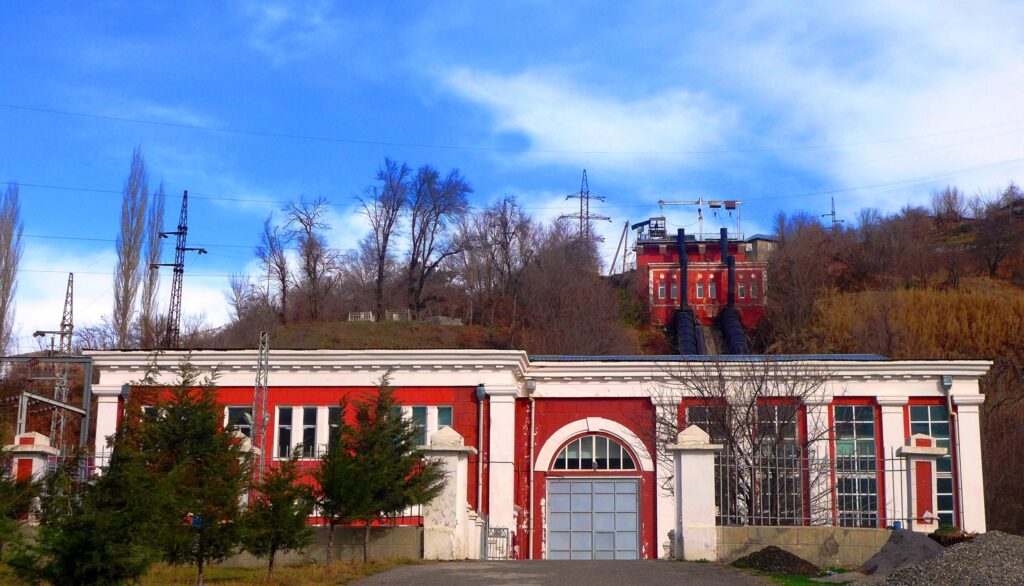
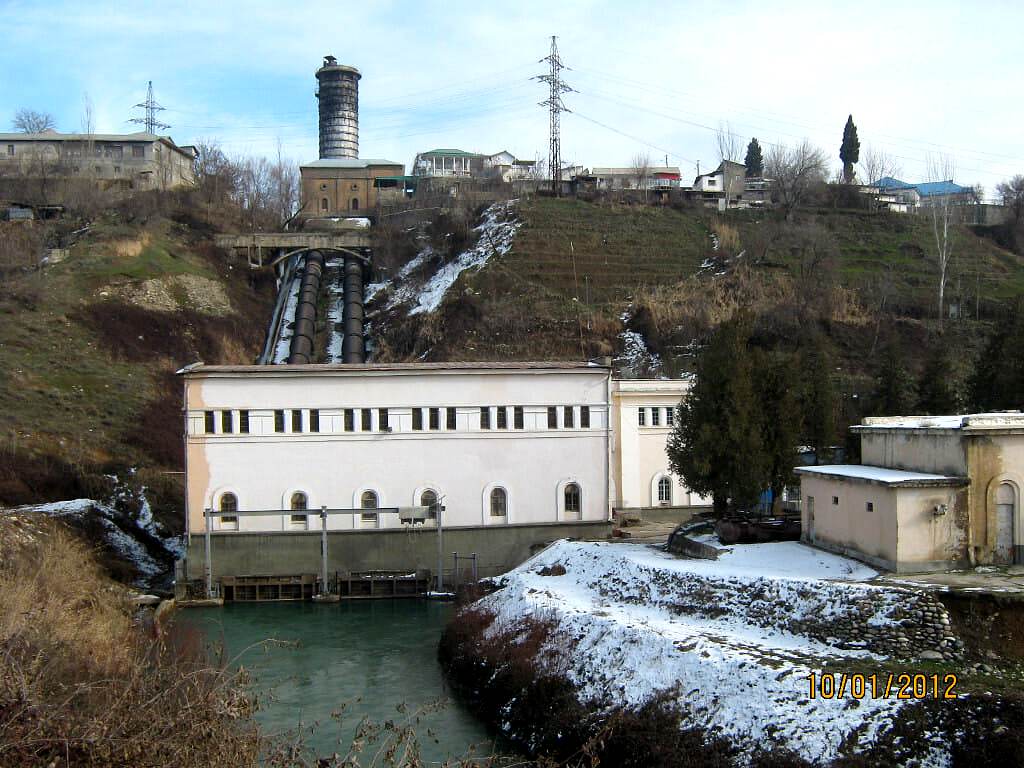
Following Dushanbe, in the second half of the 1920s, communal diesel power stations were put into operation in the district centers of the republic. The first use of the republic’s hydropower resources was marked by the construction of the Upper Varzob Hydroelectric Power Station and subsequent ones in the Varzob Cascade, HPP-2 and HPP-3.
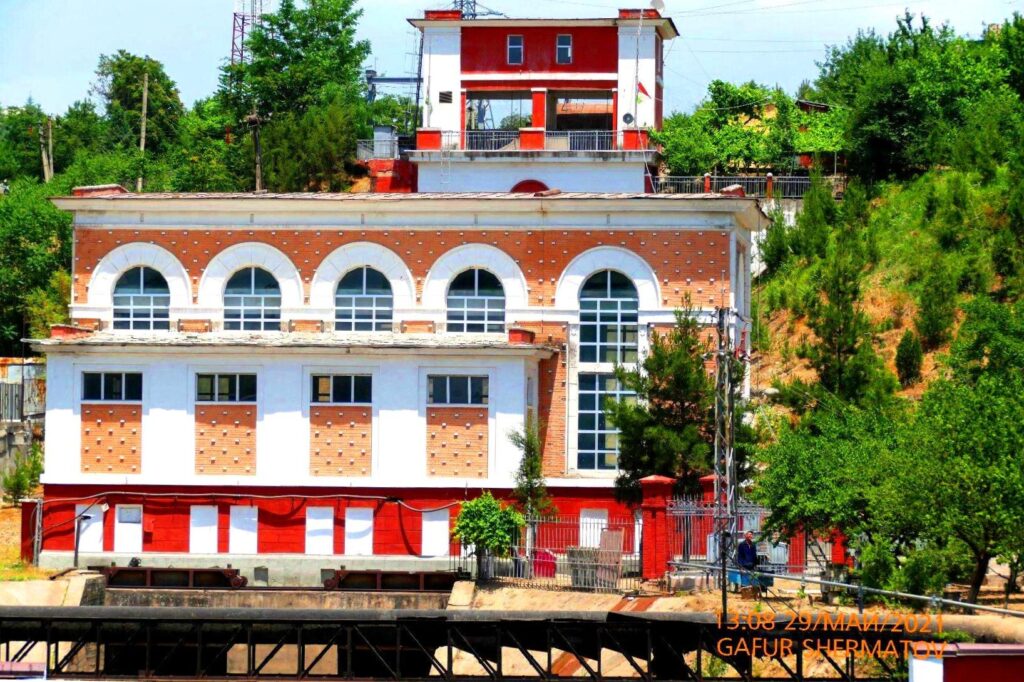
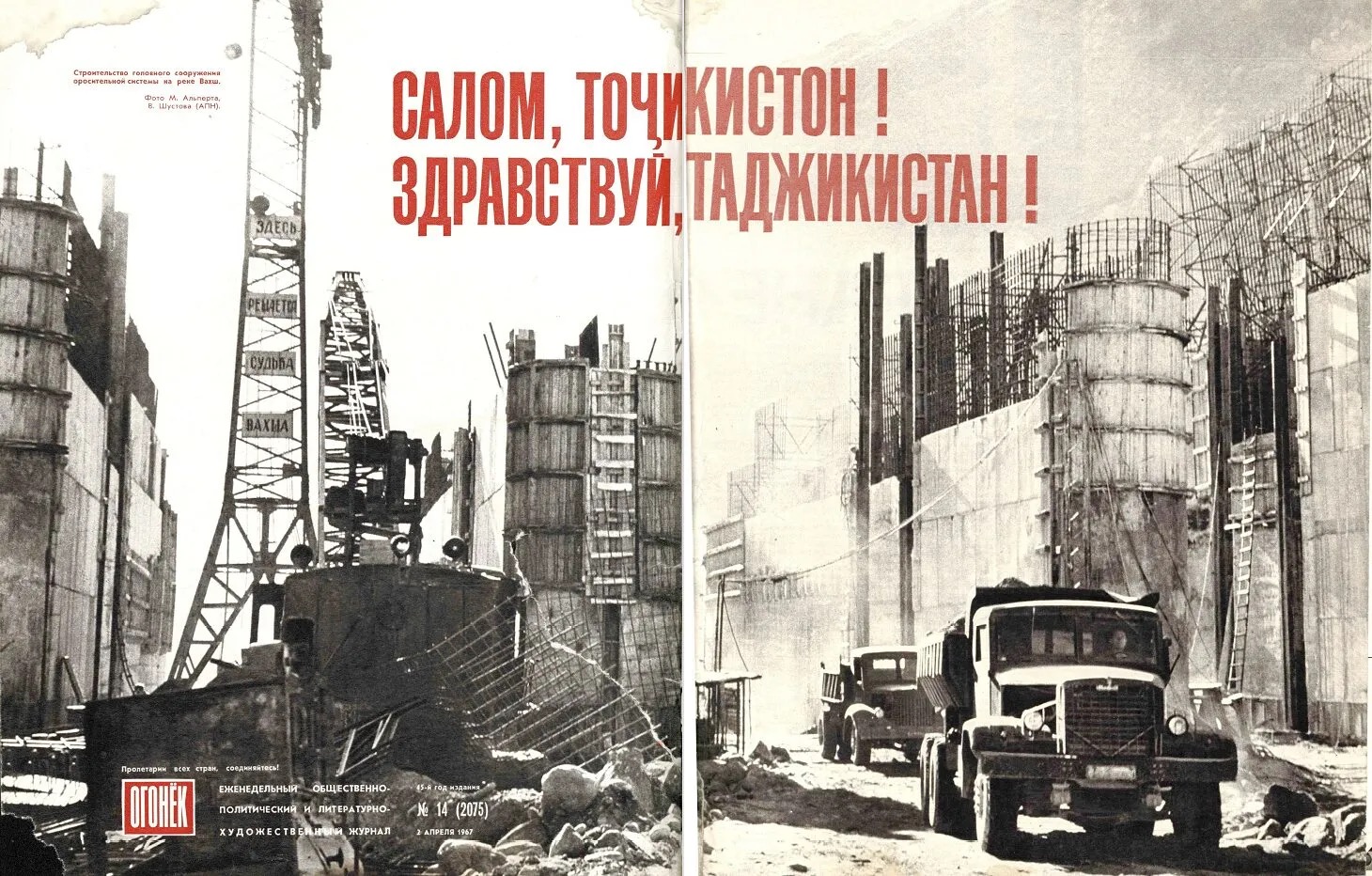
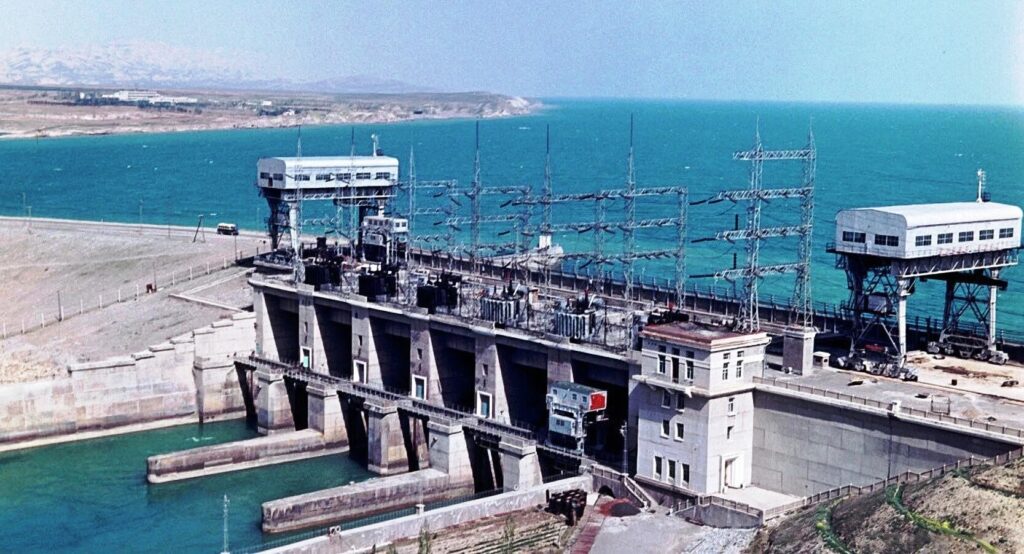
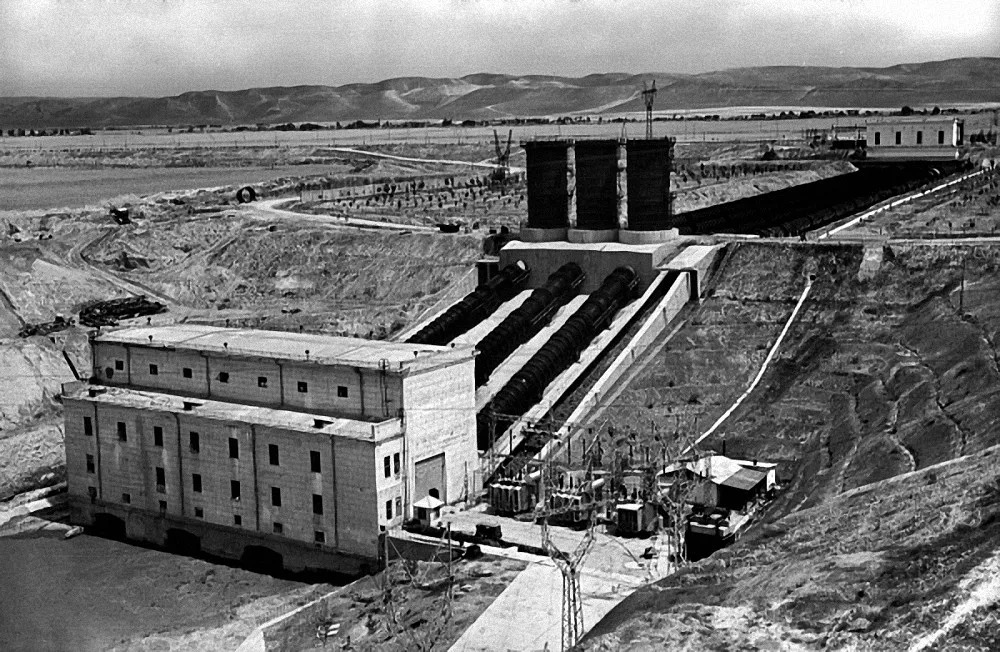
In the 1950s-1970s, the construction of large hydroelectric power stations on the Syr Darya and Vakhsh rivers began – these are the Kayrakkum Hydroelectric Power Station “Friendship of Peoples” and the “Vakhsh Cascade of HPPs”.
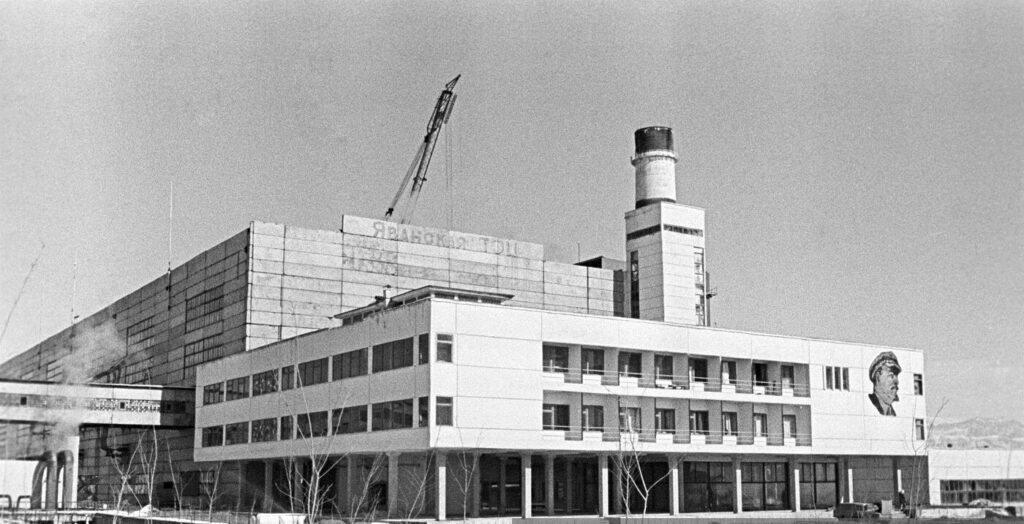
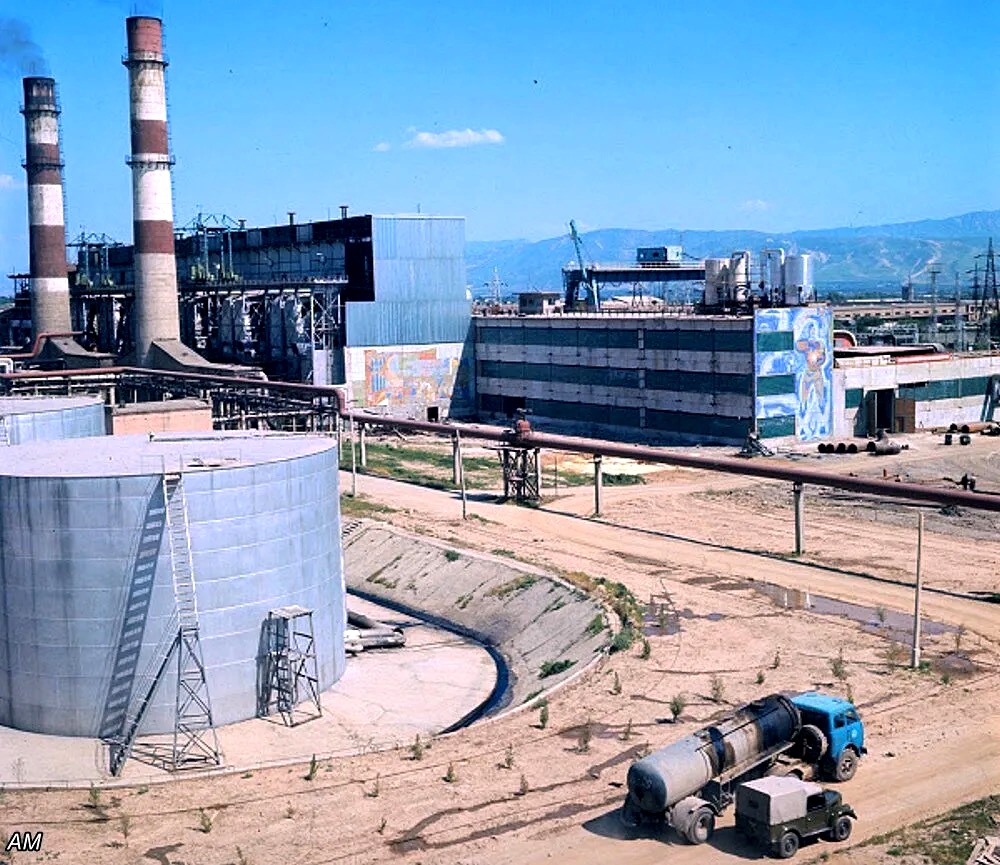
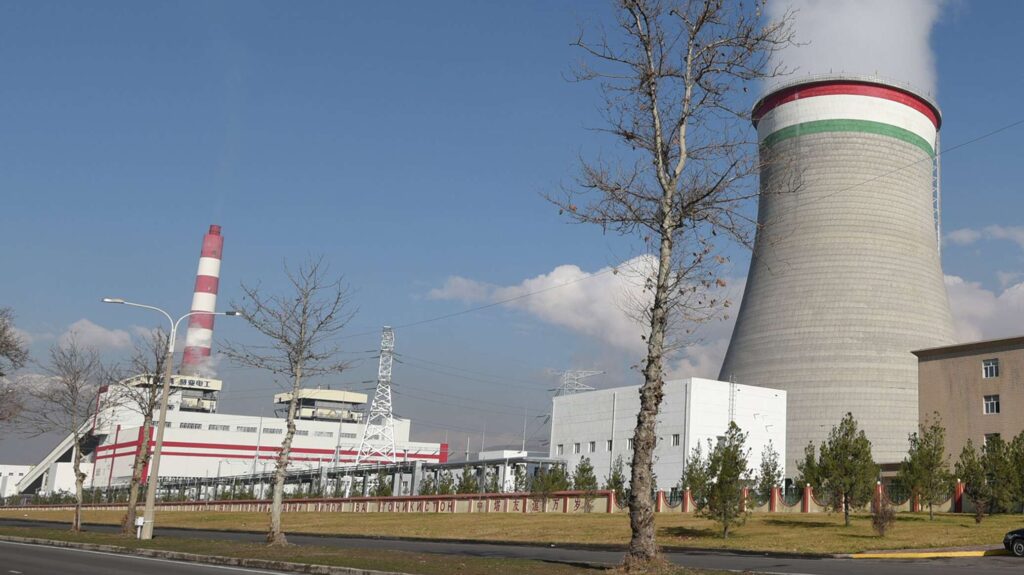
The Dushanbe and Yavan thermal power stations were built.
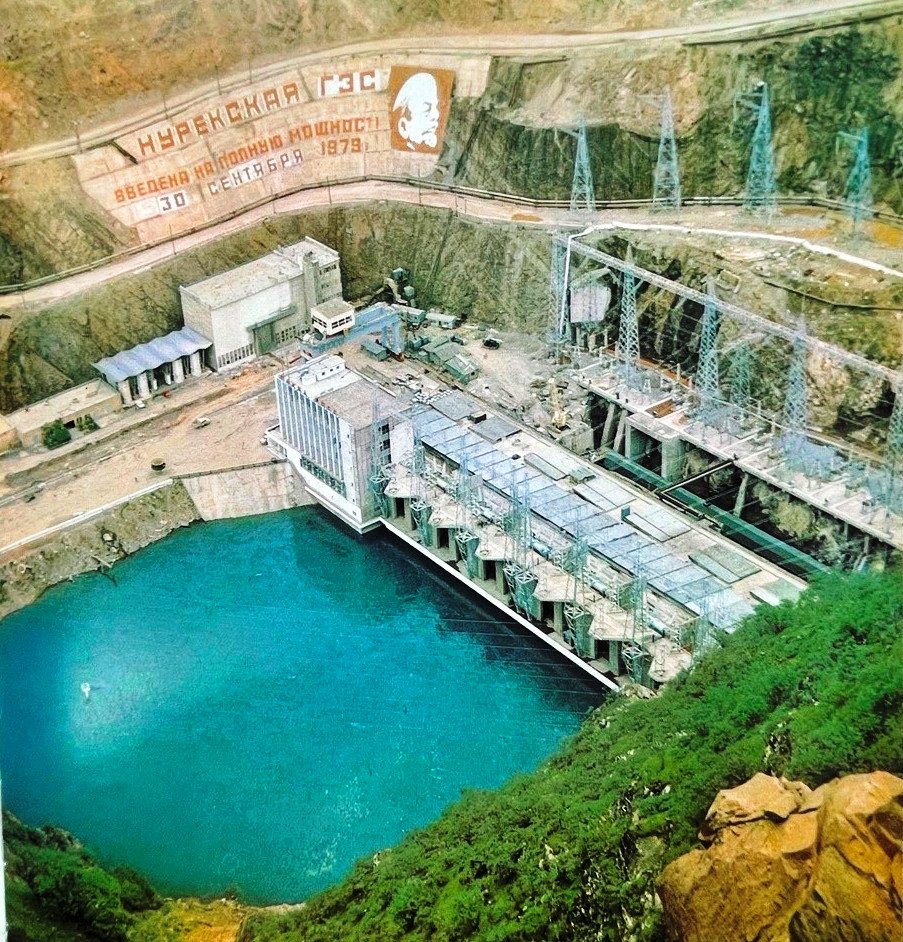
In September 1979, the Nurek HPP, the largest in Central Asia, was put into industrial operation.
In 1976, the construction of the Rogun HPP began. In the 1980s, the Baipazin HPP was put into operation.
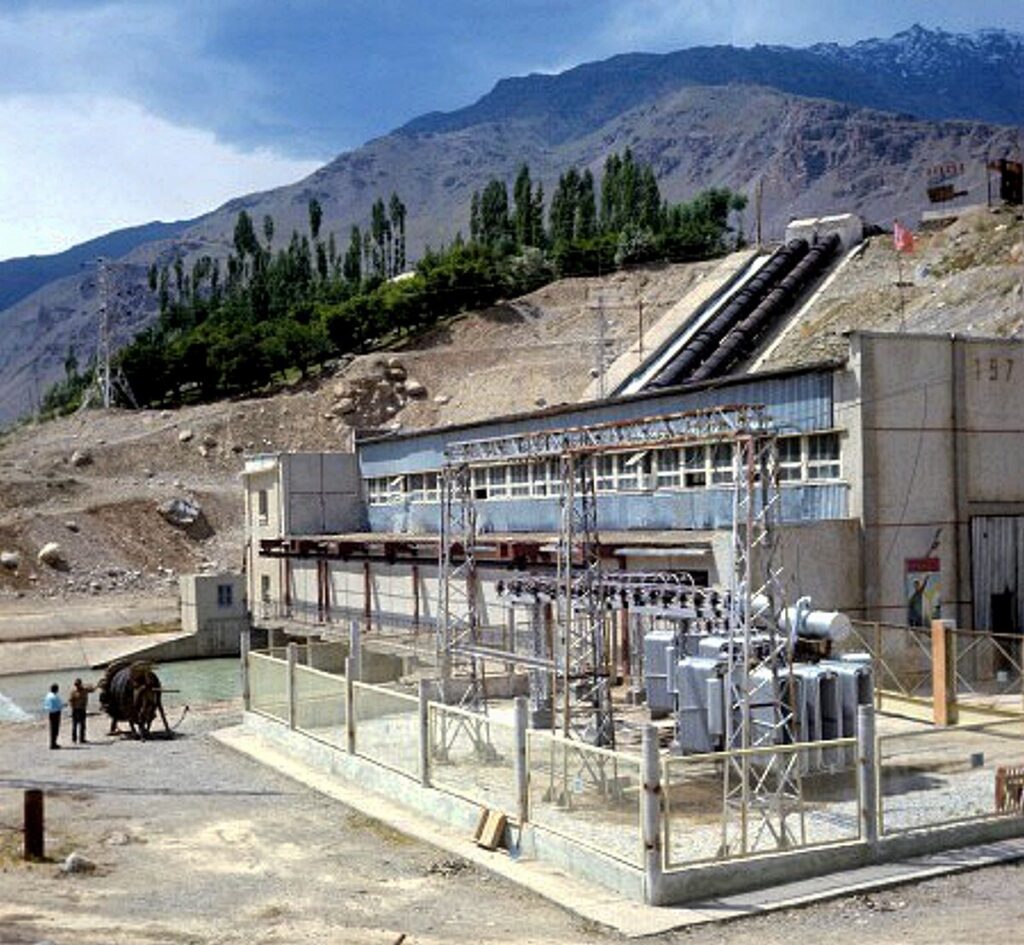
It should be noted that at the turn of the 1960s to 1980s, with comprehensive assistance from the Russian Federation and other fraternal republics of the USSR, Tajikistan achieved significant success in the construction of hydro and thermal facilities.
In the post-Soviet years, with the republic gaining independence, the issue of energy development in Tajikistan has been constantly in the focus of the government. Hundreds of small hydroelectric power stations have been built in the country, and the Sangtuda HPP-1 and HPP-2, as well as Dushanbe TPP-2, have been commissioned.
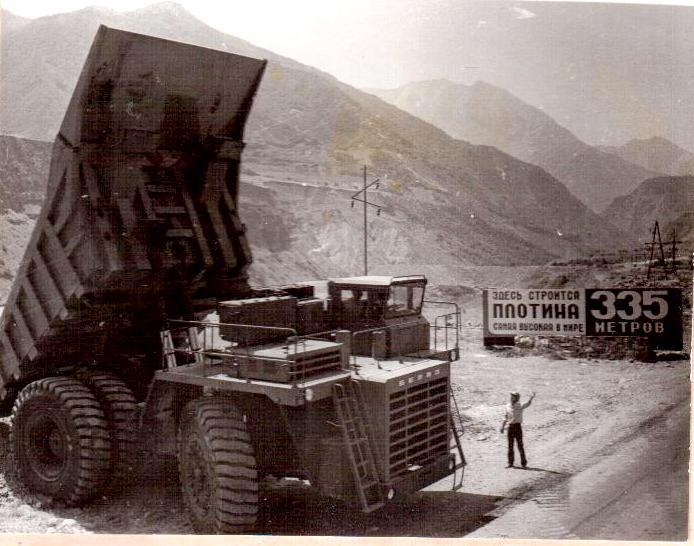
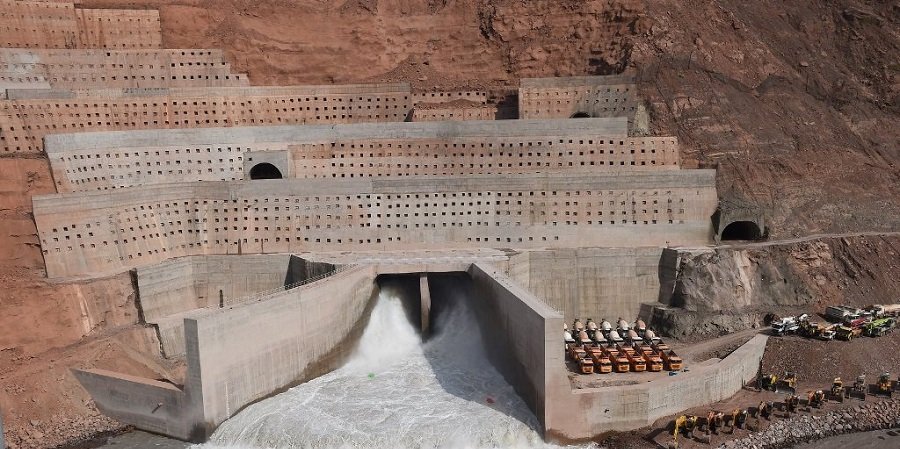
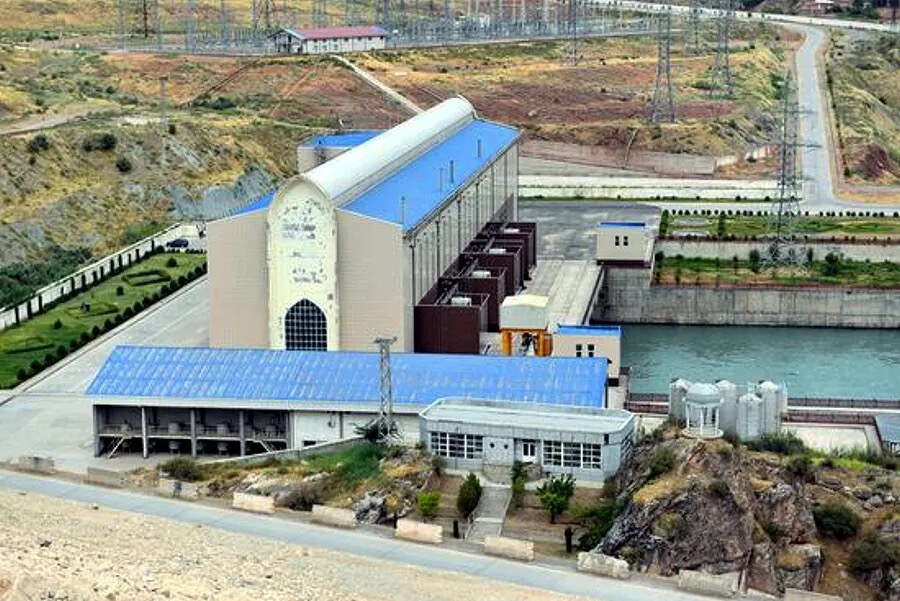
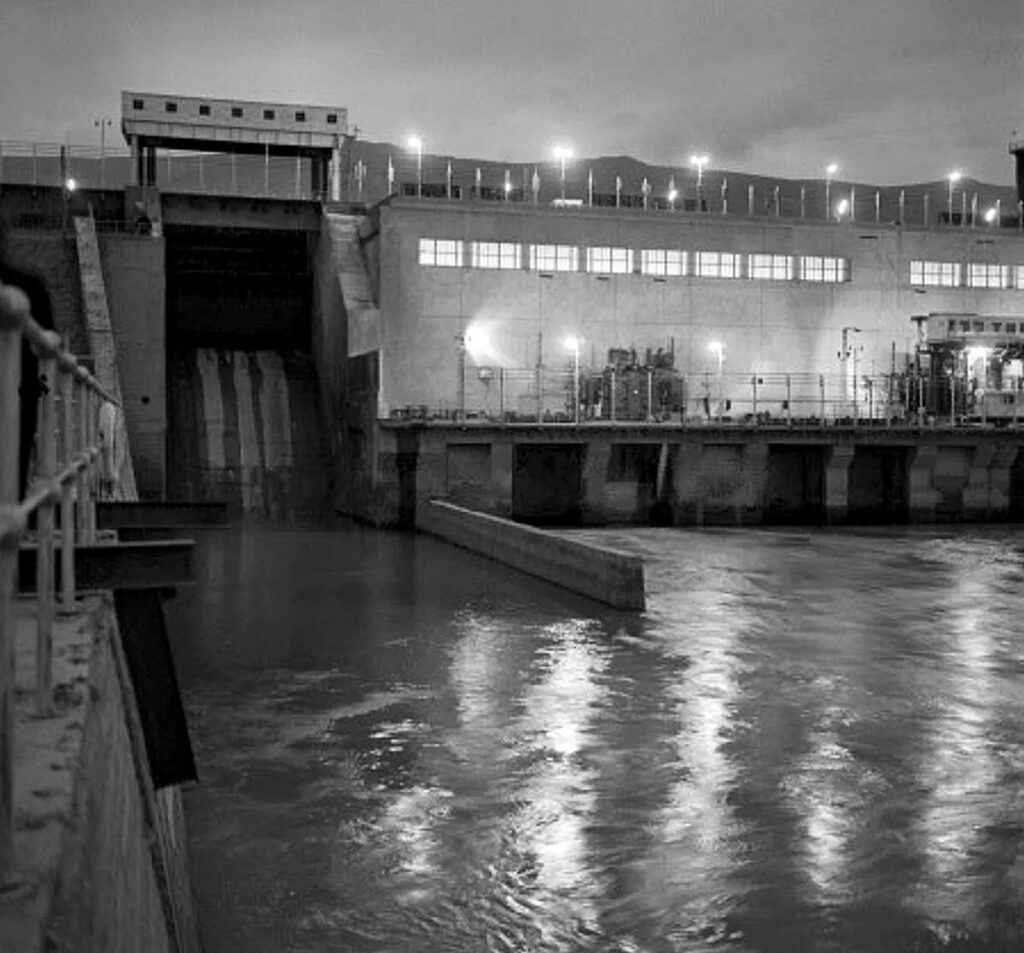
The construction of Rogun continues. This HPP will be able not only to fully meet its own electricity needs but also enable Tajikistan to sell energy to neighboring countries.
