

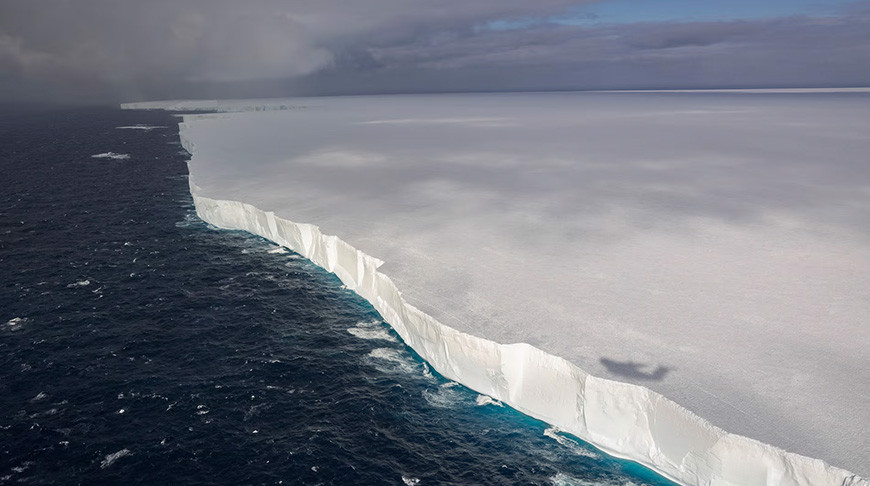
Iceberg A23a, long considered the largest in the world, is effectively coming to an end. The Arctic and Antarctic Research Institute (AARI) stated that the giant is “ending its story,” rapidly breaking apart in open waters.
Meduza writes that according to experts, in January 2026, the iceberg’s area was about 1300 km², but now it has shrunk to less than 50 km² — losing about 99% of its original size.
The ice mass continues to actively crack and melt before our eyes.
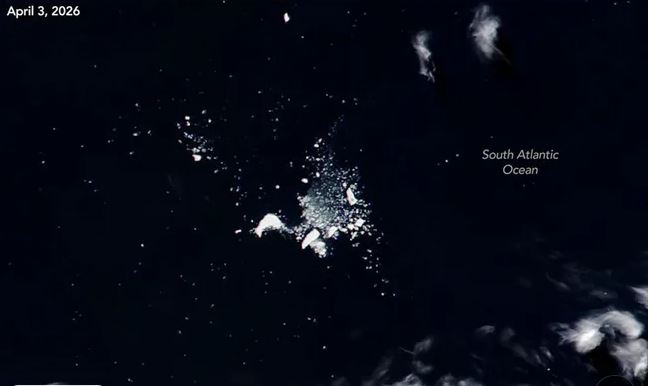
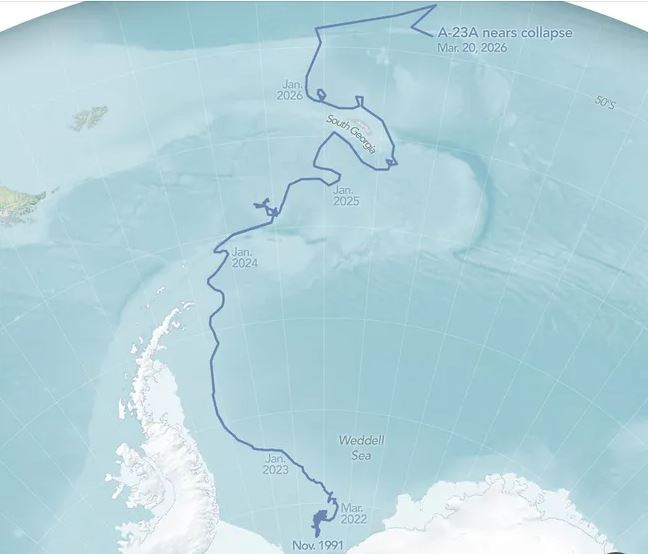
Over the last three months, A23a has traveled about thousand kilometers, crossed the boundary between the Southern and Atlantic Oceans, and is now drifting around the 49th southern parallel in open water.
The AARI succinctly summed up the situation: “Iceberg A23a is done.”
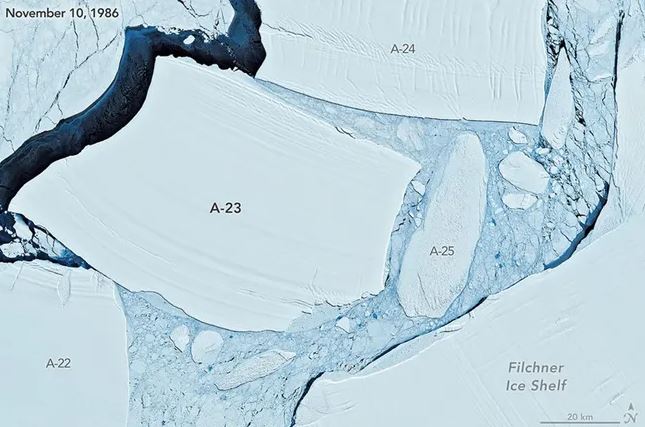
The history of this icy giant began in 1986 when it broke off from the Filchner Ice Shelf in Antarctica.
Its original area was 4170 km² — almost twice the size of St. Petersburg.
For over 30 years, it remained grounded in the Weddell Sea, then began drifting along the coasts of Antarctica, periodically grounding again and resuming movement.
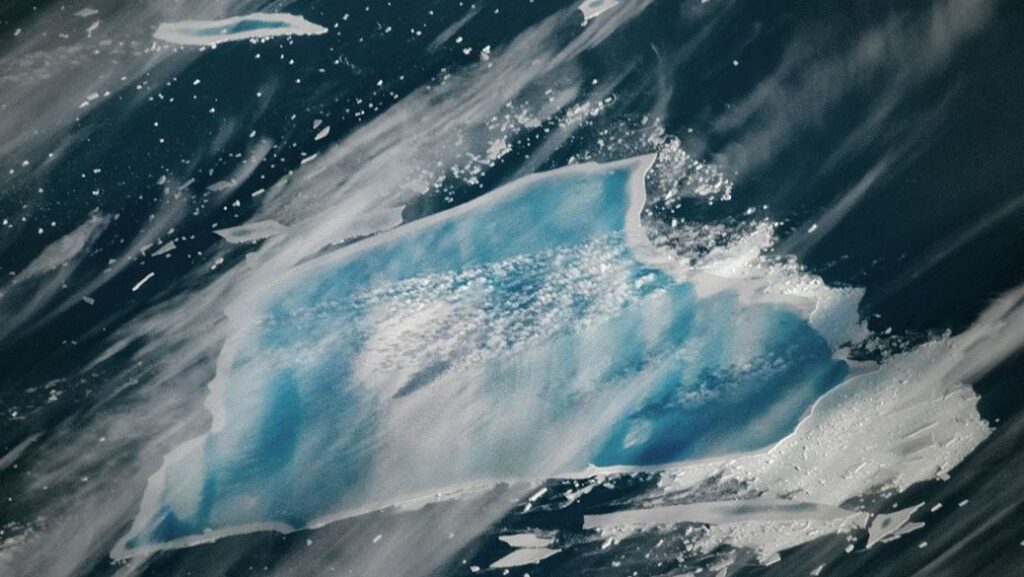
By the end of 2025, its area had reduced to 1370 km², and it lost its status as the largest iceberg on the planet.
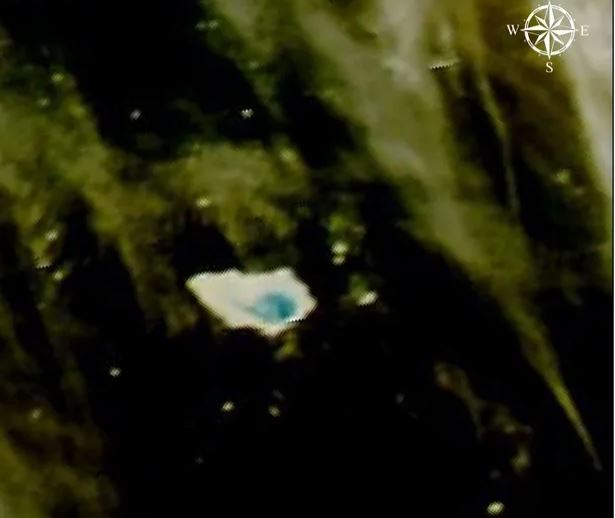
Now, only fragments remain of the once giant ice mass, continuing to rapidly disintegrate in the ocean.