A project to protect soil from degradation to be developed in Central Asia

The initiative is of great significance for the mountainous countries of the region, including Tajikistan.

Saifiddin Qarayev, Asia+

Central Asian countries are preparing a new large-scale climate project aimed at soil protection, land fertility preservation, and the development of sustainable land use. Kazinform reports that the application for funding the initiative has already been submitted to the UN Green Climate Fund. 

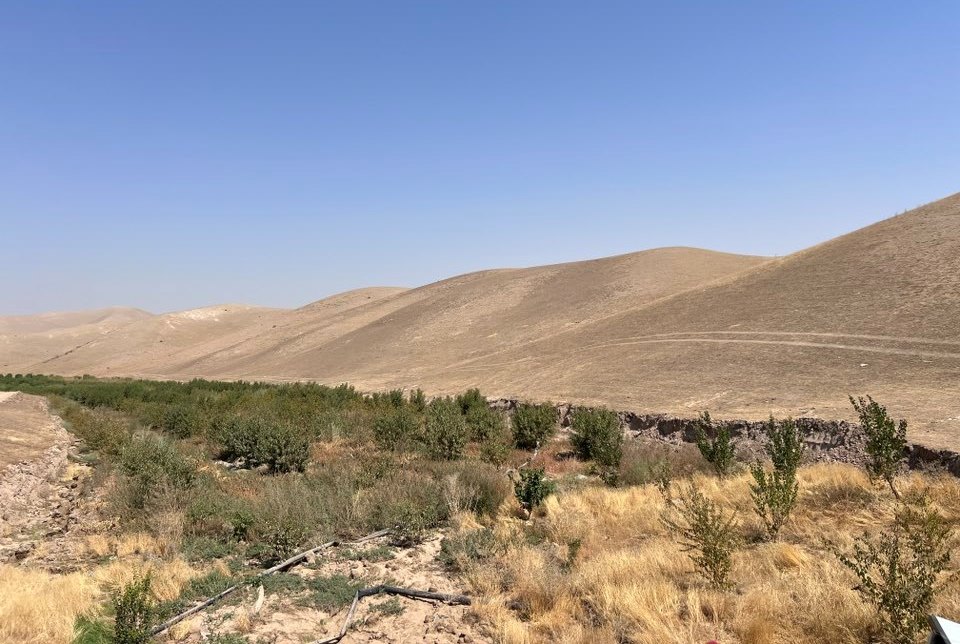
The key objective of the project is to preserve soil fertility against the backdrop of accelerating climate change. The region is already experiencing land degradation, desertification, and biodiversity loss, which increase risks for agriculture and food security. The new climate project for soil protection is being prepared for implementation with the participation of the German Society for International Cooperation — GIZ.

According to Daniel Gerke, head of the regional program “Integrated Land Use Considering Climate Change in Central Asia,” if the application to the Green Climate Fund is approved, the project could begin as early as the beginning of next year.

Meanwhile, GIZ is already implementing the ILUCA program in the region, aimed at introducing integrated approaches to land use considering climate change.

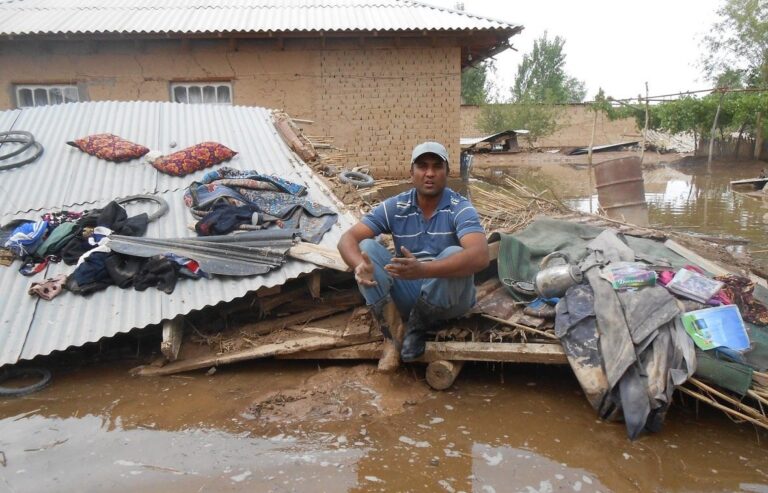
The initiative is of particular importance for the mountainous countries of the region, including Tajikistan. According to GIZ materials, the country is particularly vulnerable to the effects of climate change: landslides, floods, and droughts frequently occur here, and residents of remote areas largely depend on the natural environment as a source of livelihood. Restoration and sustainable management of forests are considered one way to reduce soil erosion, stabilize slopes, protect settlements from floods, and increase the resilience of local communities.

An equally pressing issue for Tajikistan remains the condition of pastures. More than 90% of the country’s territory is mountainous, and pastures covering about 3.9 million hectares account for approximately 80% of agricultural lands. Meanwhile, the growth of livestock numbers and overgrazing exacerbate the degradation of pasture ecosystems.  
Join us on social media!

Article translations:

Related Article

Оби зулол
Оби зулол

Most Read

Recent Articles

GITEX AI Kazakhstan 2026: how Almaty became the main AI hub of Central Asia

More than 300 companies and startups, over 200 speakers and 100 investors from 50 countries — the region is entering the global stage.

A trade and economic park to be built at the border junction of Tajikistan, Kyrgyzstan, and Uzbekistan

President of the Kyrgyz Republic Sadyr Japarov familiarized himself with the project.

Mudslide, death, and destroyed homes: hundreds of families in Tajikistan left homeless

A correspondent from "Asia-Plus" visited Kulob and spoke with the families of those who died and were affected by the disaster.

Spring 2026 bright event: new issue of VIPzone now on sale

This issue is about people and ideas that change everything: from business and investments to fashion, food, and urban environment.

Godfrey Sullivan: “Tajikistan is a promising market for Visa to develop digital payments”

The Vice President of Visa explained why Tajikistan is becoming a promising market for digital payments and how artificial intelligence is influencing the future of finance.

Seven students in Dushanbe were threatened with expulsion for arriving at universities in personal cars

The materials for each case have been sent to the Ministry of Education and Science for appropriate actions.

India’s blockchain push and lessons for the global south

The Indian Government has started pushing aggressively its agenda...

India’s blockchain push and lessons for the global south

The Indian Government has started pushing aggressively its agenda...

25 Years in Touch: On Generation Change, “Digital” and “Invisible” Work

In its 25th anniversary year, "MegaFon Tajikistan" summarizes its...

The number of entrepreneurs in Tajikistan increases by 4.3%

The number of entrepreneurs operating under a patent is increasing the fastest.