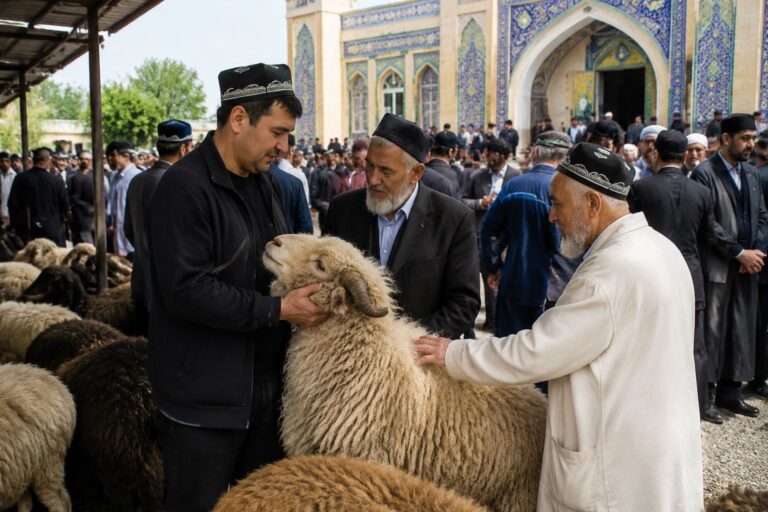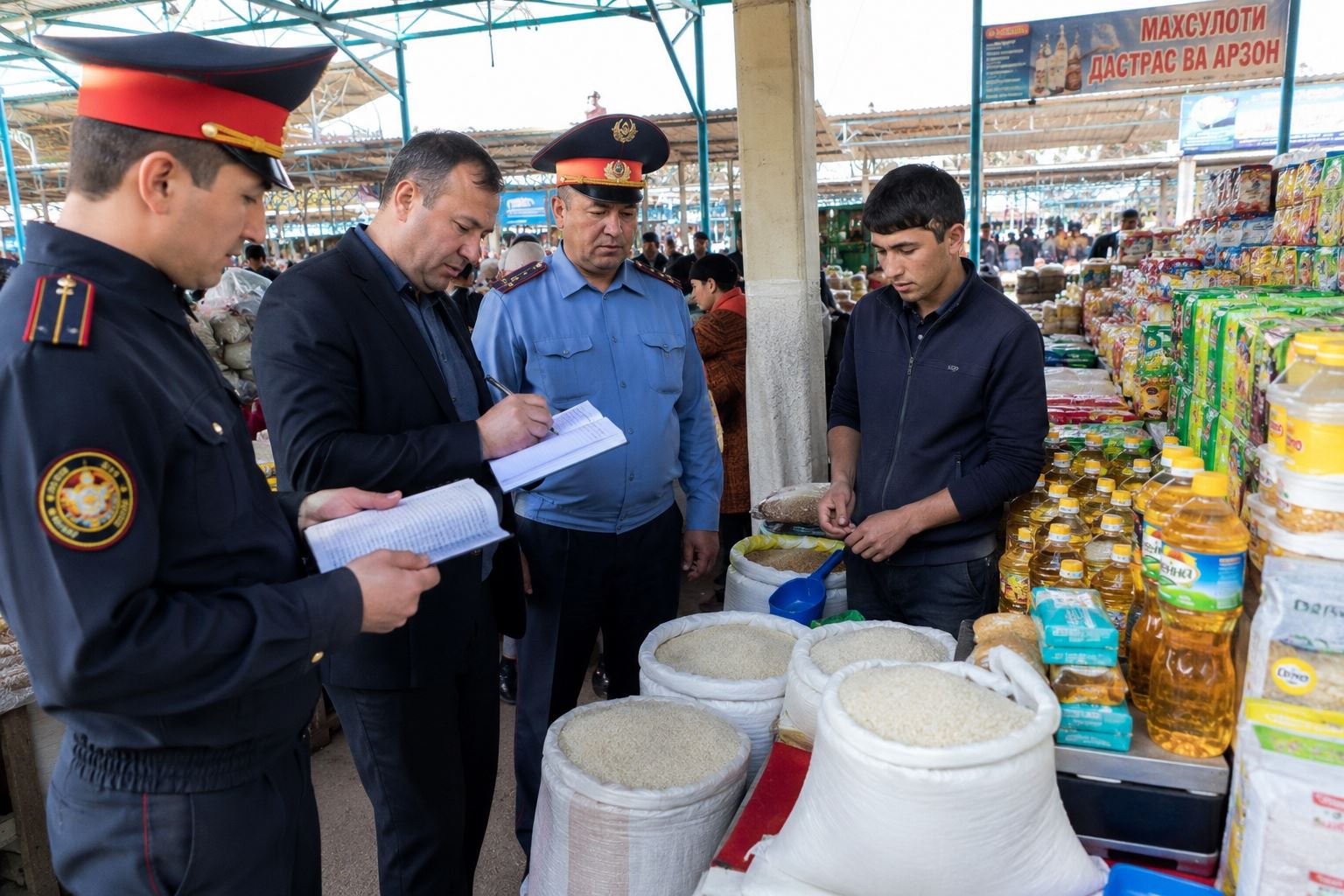
The Dushanbe Police Department has set up working groups to monitor and regulate the prices of essential goods at the city’s bazaars and shopping centers. In anticipation of the Eid al-Adha (Idi Qurbon) holiday, police officers conduct raids, inspections, and explanatory discussions with entrepreneurs, merchants, and citizens.
The Dushanbe police note that every year before Eid al-Fitr (Idi Ramazon) and Eid al-Adha holidays, some entrepreneurs and sellers take advantage of increased demand to unjustifiably raise prices on goods.
The Dushanbe Police Department urged entrepreneurs, shopping center managers, and market sellers not to allow arbitrary price increases and to comply with legal requirements. Otherwise, administrative protocols will be drawn up against violators under Articles 479, 555, 627, and 633 of the Administrative Code of Tajikistan.
It is worth noting that earlier, Tojikstandart (the Agency for Standardization, Metrology, Certification and Trade Inspection under the Government of Tajikistan) urged sellers and entrepreneurs in Dushanbe to refrain from unjustified price increases on food products, especially meat and meat products, ahead of the Eid al-Adha holiday.
The agency noted that during this period, the demand for food products traditionally increases, which can lead to attempts at unjustified price hikes and negatively impact the social situation of the population.
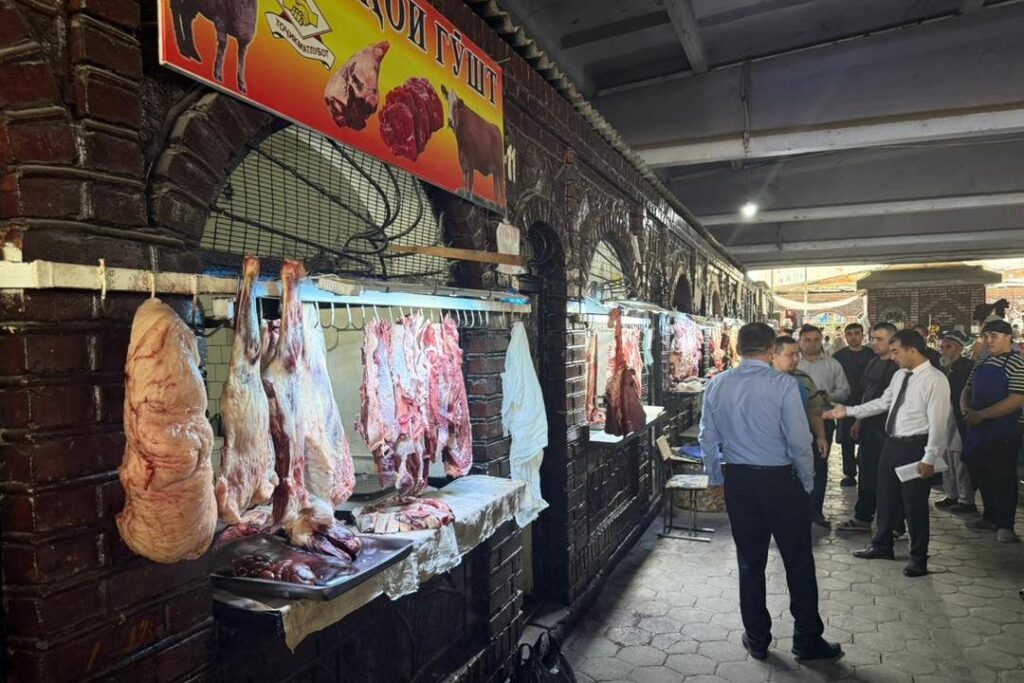
To prevent such cases, Tojikstandart employees conducted explanatory discussions with sellers and entrepreneurs of the capital’s markets. They were reminded of the need to comply with trading rules, legal requirements, ensure price transparency, and provide responsible customer service.
The agency emphasized that adherence to trade culture, the sale of quality products, and the prevention of speculative price increases are important for maintaining the stability of the consumer market and protecting the interests of the population.
Every year on the eve of Eid al-Fitr and Eid al-Adha holidays, traders increase food prices in the markets, causing dissatisfaction among the population. Meat, vegetables, fruits, and dried fruits become particularly expensive.