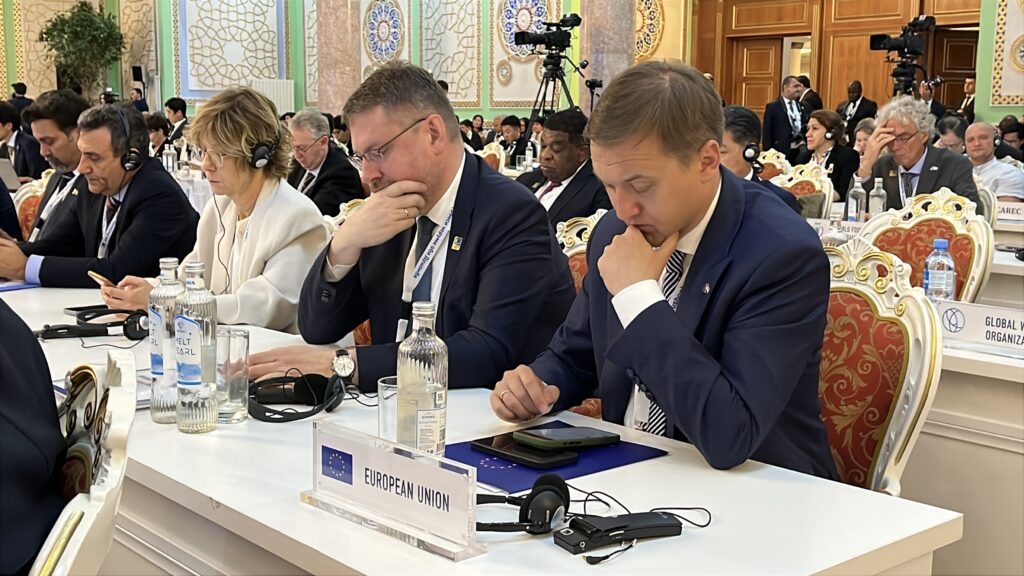
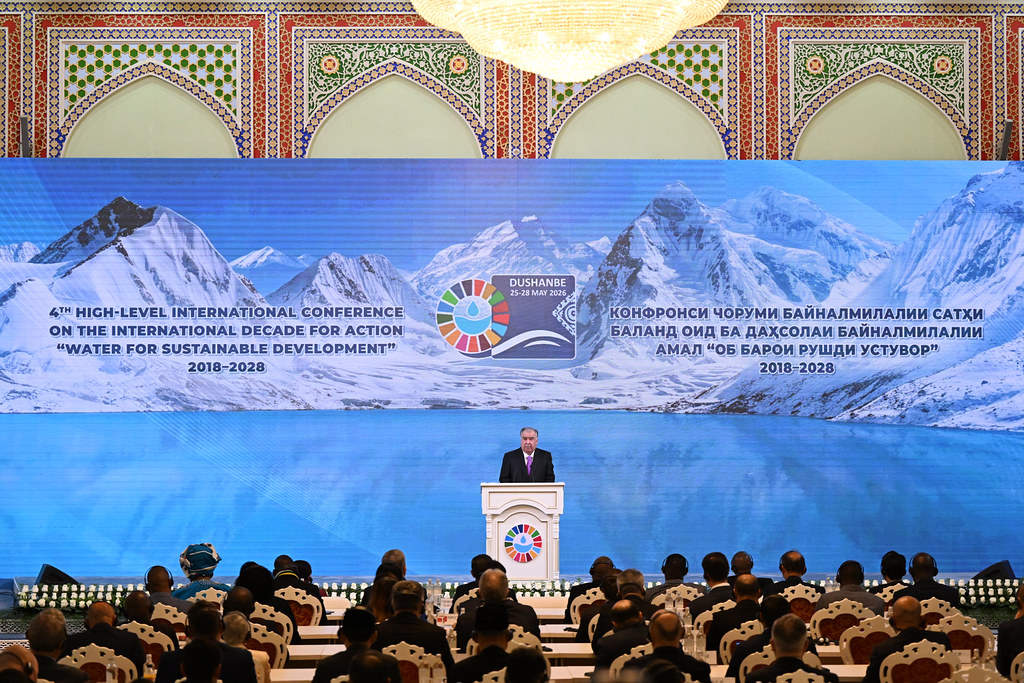
The Fourth High-Level International Conference on the Decade of Action “Water for Sustainable Development, 2018–2028” was held in Dushanbe from May 25 to 28, 2026.
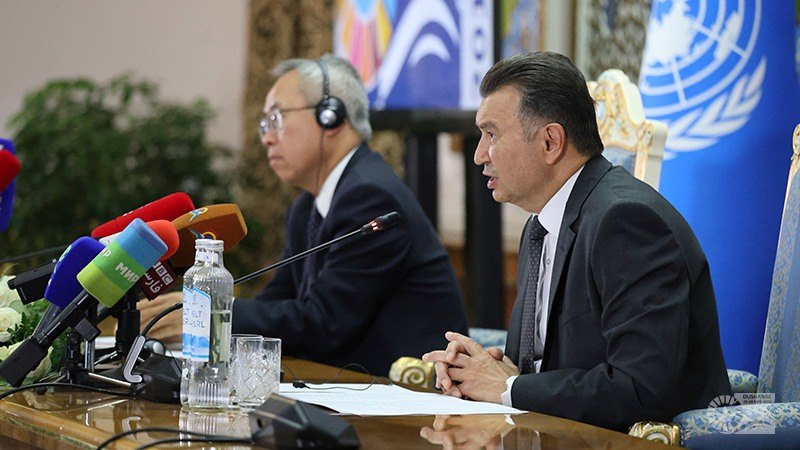
The conference was organized by the government of Tajikistan, the UN, and international partners. On May 27, its results were presented at a press conference featuring the Prime Minister of Tajikistan, Kohir Rasulzoda.
1. Dushanbe Became the Center of Global Water Dialogue Again
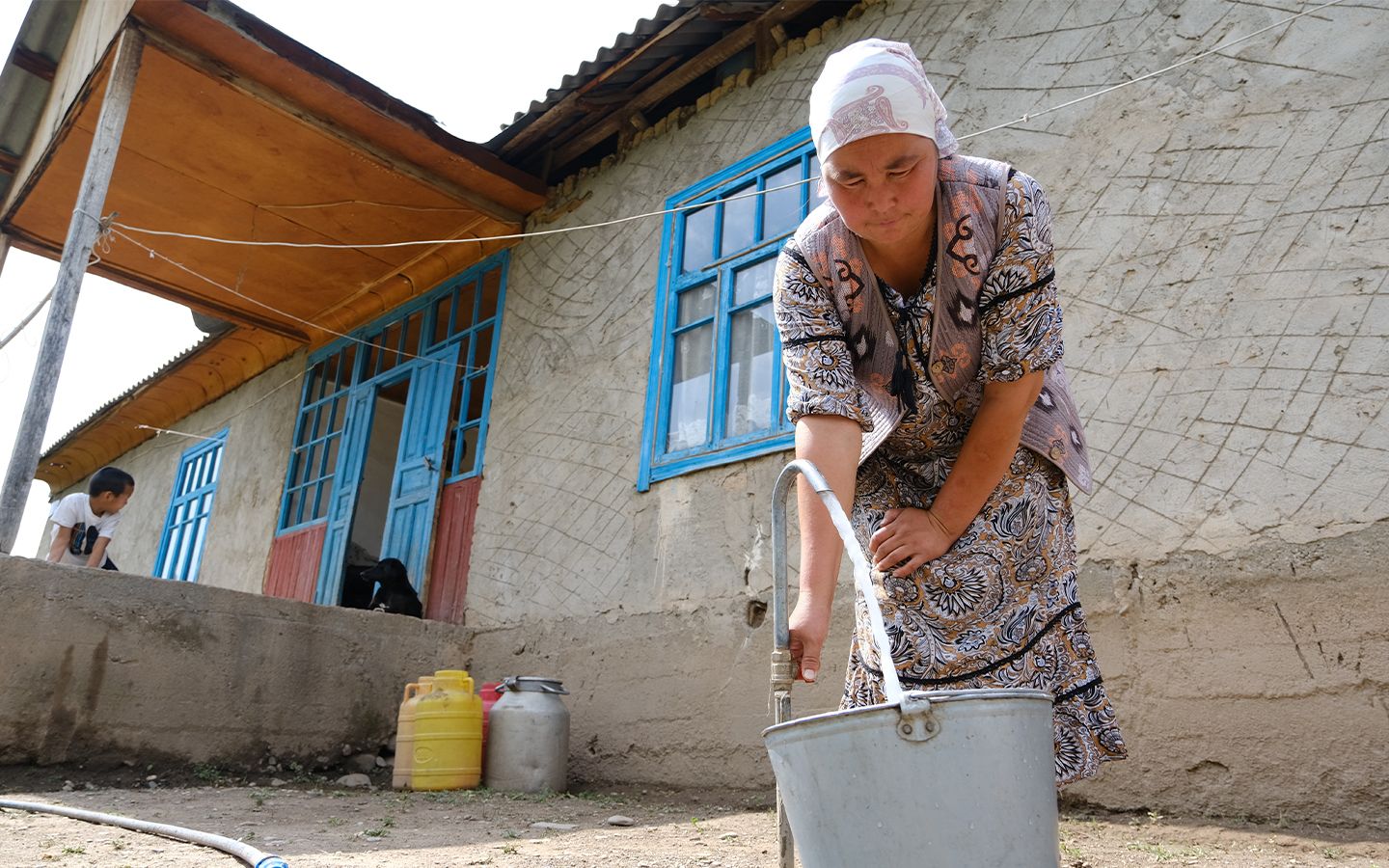
For several days, issues of water, climate, and sustainable water resource management were discussed in Dushanbe.
The conference agenda included access to clean water and sanitation, water resource management, transboundary cooperation, financing, technologies, innovations, as well as the connection between water, climate, and sustainable development.
The President of Tajikistan, Emomali Rahmon, noted in his speech that the conference is taking place within the framework of the Dushanbe Water Process.
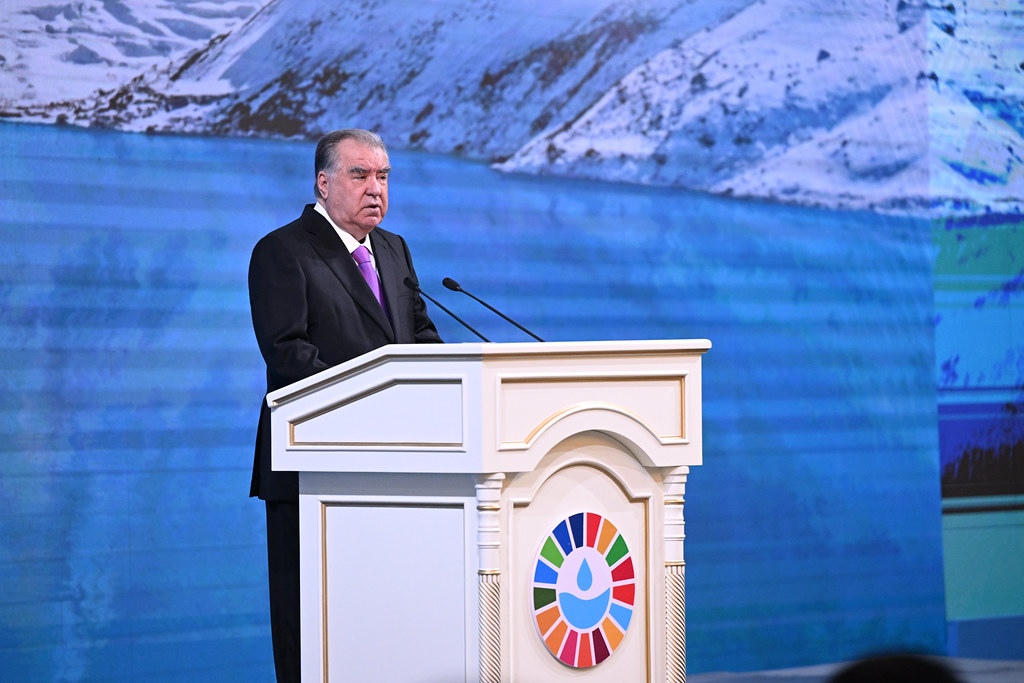
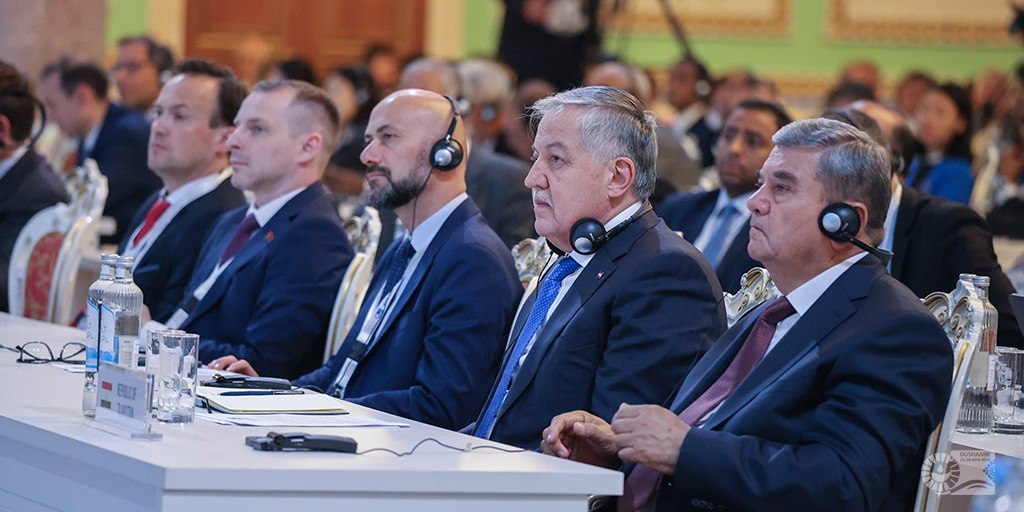
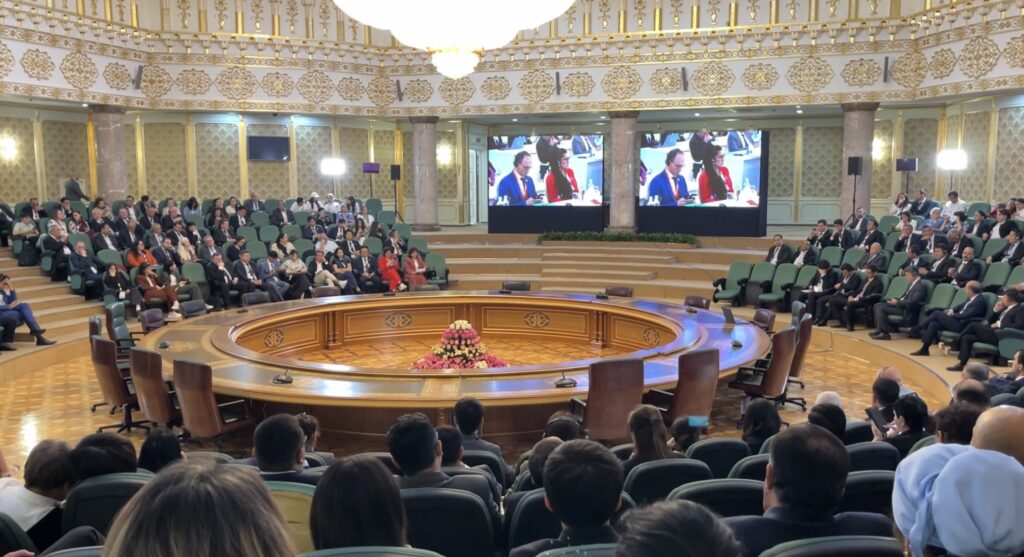
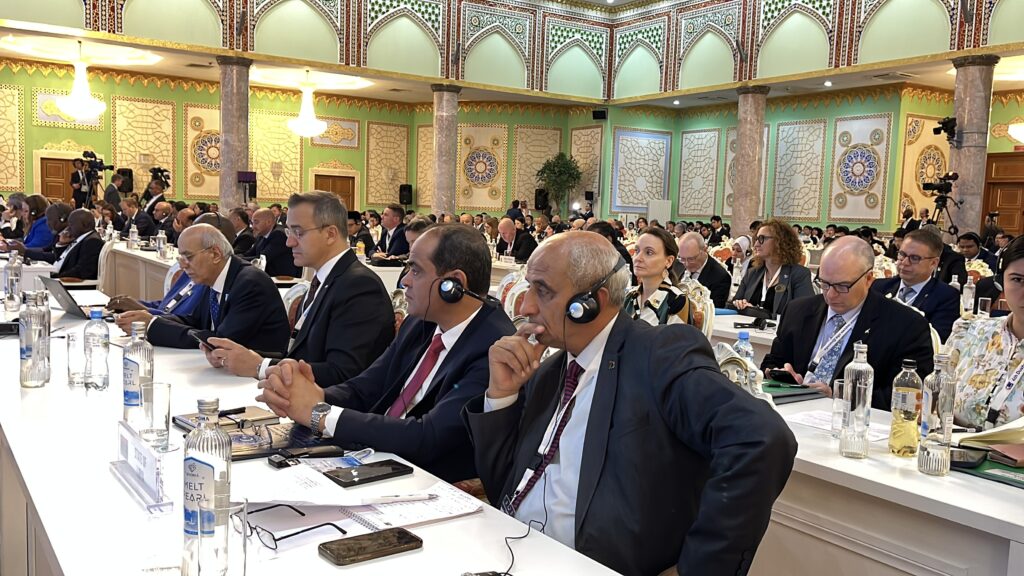
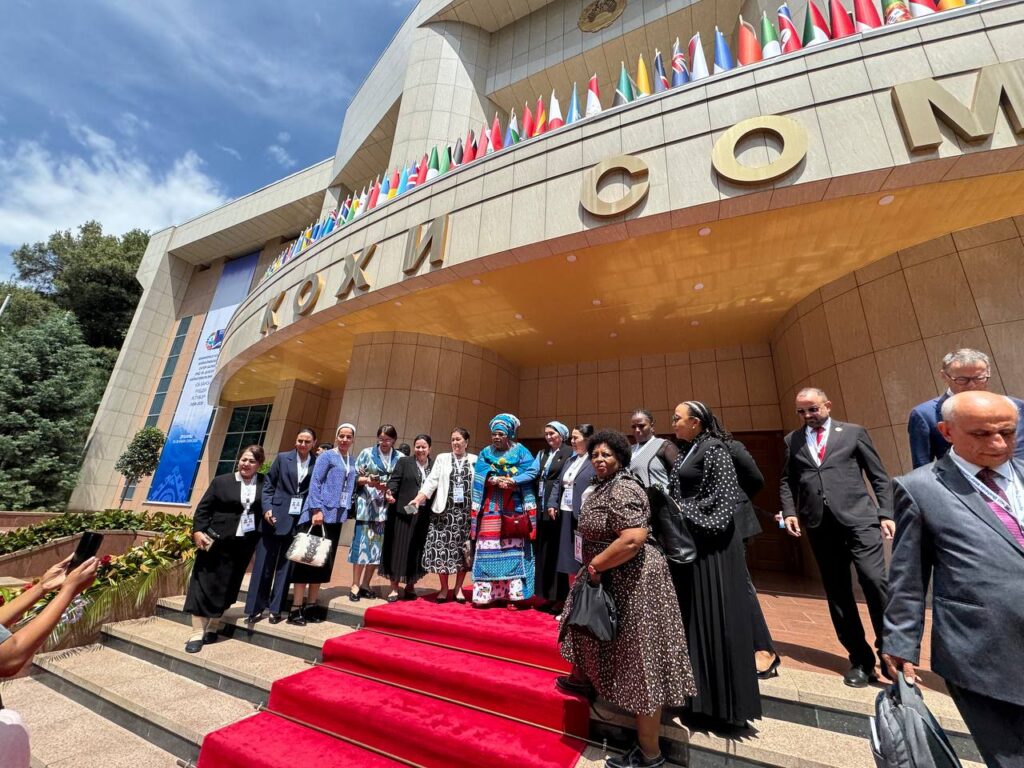
According to the organizers, about 2,500 people participated in the conference. Among them were 1,100 participants from 110 countries, representatives of 75 international and regional organizations, as well as 170 non-governmental organizations and academic institutions.
The organizers stated that such a composition of participants confirms the high international interest in the Dushanbe Water Process.
2. The World is Lagging Behind the Goal for Access to Water and Sanitation
One of the main themes of the conference was the Decade of Action “Water for Sustainable Development, 2018–2028.”
Participants specifically discussed Sustainable Development Goal 6, which is a UN goal concerning access to clean water and sanitation.
The conference addressed how to accelerate the achievement of this goal. Discussions revolved around water resource management, access to water and sanitation, international and regional cooperation, as well as partnerships between countries and organizations.
The Minister of Foreign Affairs of Tajikistan, Sirojiddin Muhriddin, noted that the Water Decade aims to promote sustainable water resource management, develop partnerships, share knowledge, and ensure access to water and sanitation.
He also stated that the remaining years of the Decade cannot proceed on a “business as usual” basis.
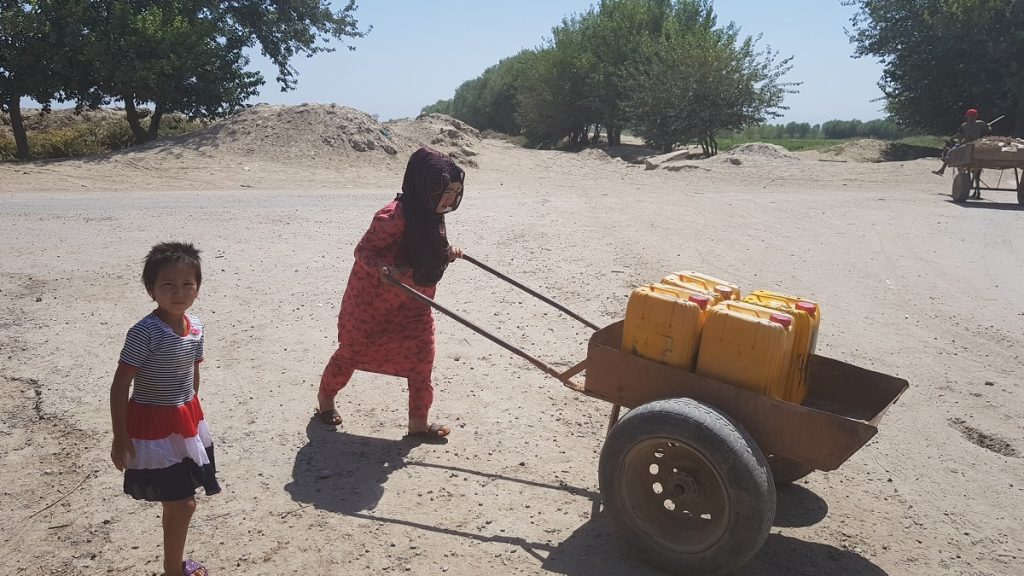
At the press conference, UN Under-Secretary-General for Economic and Social Affairs, Li Junhua, reported that the world is lagging behind achieving SDG 6. According to him, 2.2 billion people still lack access to clean drinking water, and 3.5 billion people do not have safe sanitation conditions.
3. The Results of the Conference Will Be Linked to the Global UN Water Agenda
The conference in Dushanbe was a continuation of the 2023 UN Water Conference.
It is also connected to the preparations for the 2026 UN Water Conference and the final review of the Water Decade in 2028.
During thematic sessions and panel discussions, participants discussed the implementation of voluntary commitments, financing, technologies, innovations, as well as the connection between the water agenda and climate, sustainable development, ecosystems, and UN processes.
In Dushanbe, there was also a discussion on what the global water agenda might look like after 2030. Participants in a separate discussion talked about the future of international cooperation in the water sector after the Sustainable Development Agenda until 2030 concludes.
4. Three Key Documents Will Be Adopted and Prepared as a Result of the Conference
As a result of the conference, the Dushanbe Declaration was adopted.
Two more documents will also be prepared and presented — a summary of the co-chairs and the contribution of the Dushanbe Water Process to the 2026 UN Water Conference.
The Dushanbe Declaration became the main final document of the conference. It contains recommendations and practical guidelines for strengthening international cooperation, developing partnerships, and accelerating the fulfillment of commitments in the field of water resources.
The summary of the co-chairs will reflect the main conclusions of the discussions that took place during the plenary sessions, thematic sessions, panel discussions, forums, and other events.
The third document is the contribution of the Dushanbe Water Process to the 2026 UN Water Conference. It should link the results of the meeting in Dushanbe to the preparations for the next global water conference under the auspices of the UN.
The Prime Minister of Tajikistan, Kohir Rasulzoda, stated that the results of the conference will contribute to the further implementation of the Decade of Action “Water for Sustainable Development, 2018–2028,” preparations for the 2026 UN Water Conference, and the final conference in 2028.
5. More than $130 Billion Per Year is Needed for Water and Sanitation
The conference specifically addressed financing, technologies, and innovations in the water sector.
Participants discussed investments in the water sector, international cooperation, and practical initiatives ahead of the 2026 UN Water Conference.
Li Junhua noted that over $130 billion is needed annually to improve people’s access to clean water and sanitation.
“More funding is needed, especially for developing countries,” he noted.
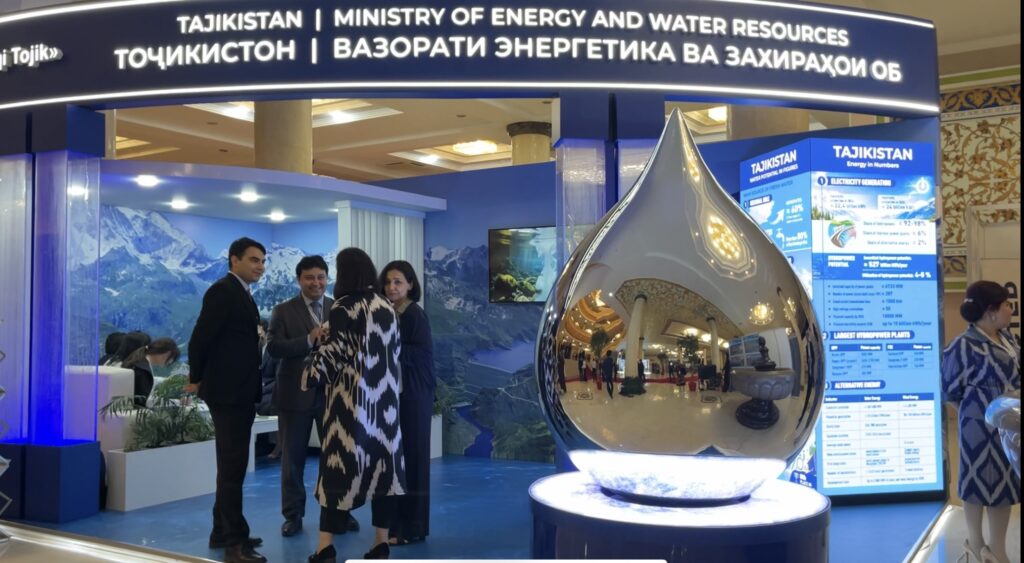
A special exhibition was also held on the sidelines of the conference. It showcased modern technologies, scientific developments, innovative solutions, and experiences in water resource management.
Prime Minister Kohir Rasulzoda emphasized that water resources are directly linked to sustainable development, economic growth, food and energy security, environmental protection, and the well-being of the population.
6. More Women, Youth, Science, and Business Were Involved in Water Discussions
The conference discussed the need to engage various groups more broadly in the water agenda.
Particular attention was given to the participation of women, youth, the scientific community, the private sector, and other stakeholders.
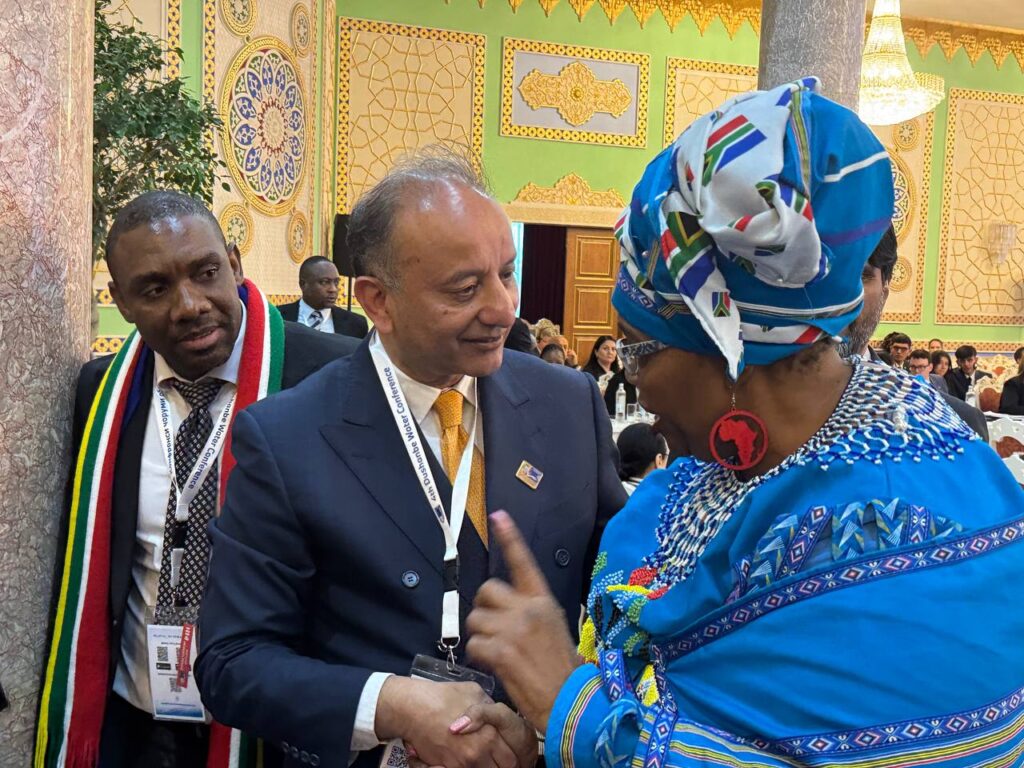
Within the framework of the conference, a Youth Forum, Women and Water Forum, a Private Sector Forum focused on Africa, and other events were held.
As part of the “Women and Water – 2026” forum, the Dushanbe Declaration “Women and Water” was adopted. It is expected that this document will contribute to the agenda of the 2026 UN Water Conference.
Additionally, the launch of the “Women and Water” partnership network was announced, along with the development of a regional action plan.
7. Tajikistan Announced Water Plans Until 2040
President Emomali Rahmon spoke about the measures Tajikistan is taking at the national and regional levels.
According to him, within the framework of water sector reforms, the legal and institutional foundations for implementing integrated water resource management have been strengthened. Key infrastructure has also been modernized.
The President announced that to accelerate the achievement of SDG 6, Tajikistan has adopted a National Water Strategy until 2040 and a State Program on Drinking Water Supply and Sanitation for 2025–2029.
He stated that Tajikistan aims to fully implement integrated water resource management at the national and basin levels by 2030.
Moreover, Tajikistan plans to increase the implementation of water-saving technologies more than 40 times and by 2040 achieve an 80% level of digitalization in water resource management.
In the regional agenda, Emomali Rahmon highlighted the importance of transboundary cooperation in Central Asia. He proposed to improve the structure of the International Fund for Saving the Aral Sea and create an Intergovernmental Energy Commission for Central Asia within its framework.
The President separately proposed to create a Dushanbe Framework Program on water issues.
In conclusion, he announced the establishment of the International Prize of the President of the Republic of Tajikistan in the field of water resources.
According to him, the prize is aimed at recognizing contributions to international cooperation, scientific research, sustainable water policy, and promoting solutions to global water issues.