Saudi Arabia has deployed thousands of cameras, drones, artificial intelligence systems, and smart applications to ensure the safety and management of the flows of pilgrims. New technologies allow for real-time tracking of people’s movements, preventing crowding, and responding swiftly to any incidents.
While pilgrims in Saudi Arabia perform the rites of Hajj and Muslims celebrate the holiday of Eid al-Adha, Mecca and Medina are under the surveillance of cameras, drones, robots, and artificial intelligence systems.
The Hajj of 2026 is being called unprecedented in terms of digital control. Saudi Arabia has installed cameras and thermal imaging devices, uses surveillance drones, robots for issuing fatwas and providing medical assistance, as well as digital applications “Nusuk,” “Sawahir,” “Basir,” and “Tawakkalna” to ensure the safety of pilgrims.
From the moment of entry into Mecca until the completion of Hajj, nearly all movements of the pilgrims are under surveillance.
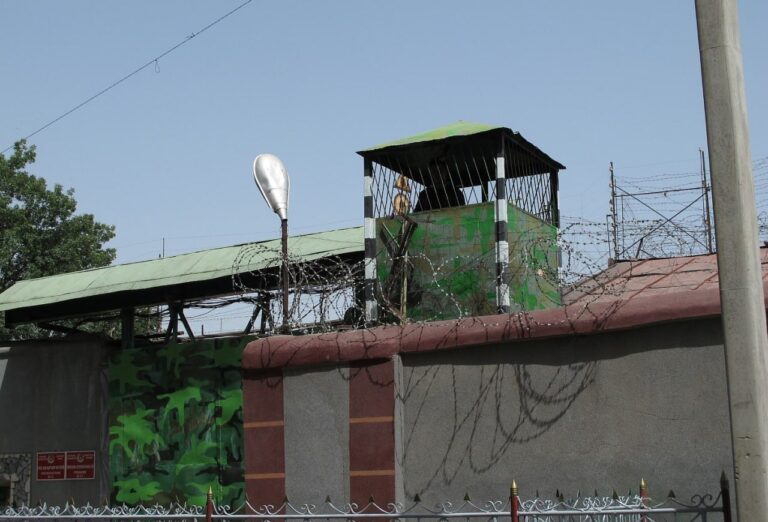
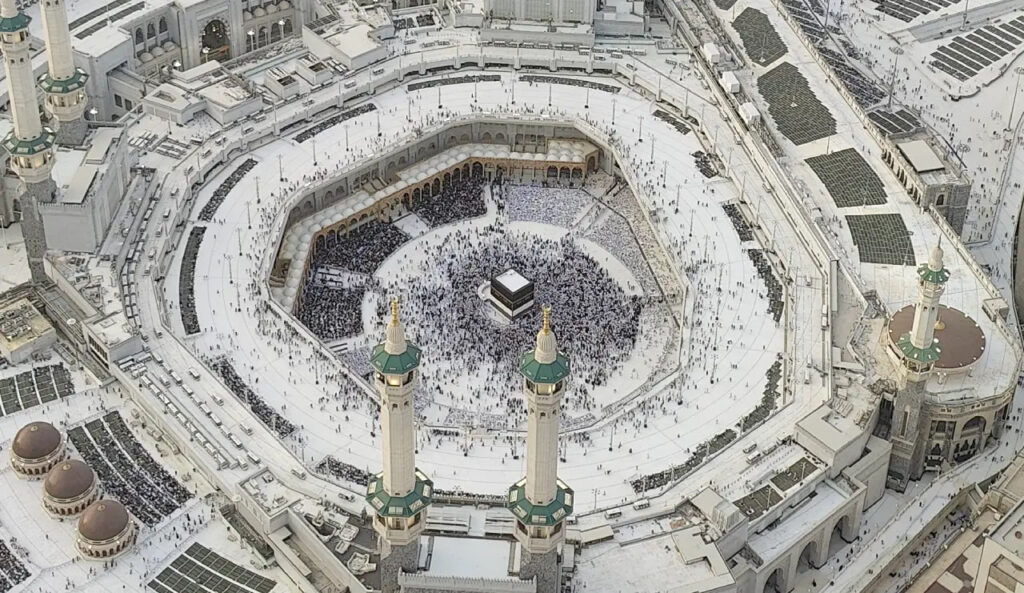
In Mecca, sacred places, and the routes between them, more than 15,000 cameras have been installed. They are placed on hills, buildings, and along roads, monitoring an area of over 20 kilometers between Mecca and Mount Arafat.
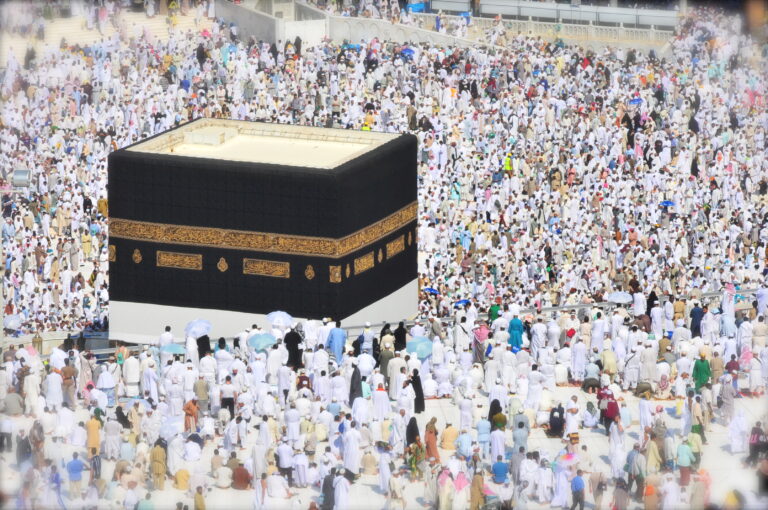
In the Grand Mosque alone, there are 326 intelligent cameras, integrated into a single system with 881 fire hydrants and 42 backup generators.
What are thermal imaging cameras for?
Thermal imaging cameras installed in Mecca and other sacred places detect body temperature and can identify sick individuals even at night. In case of danger, they automatically send signals to emergency services.
What are “Basir” and “Sawahir”?
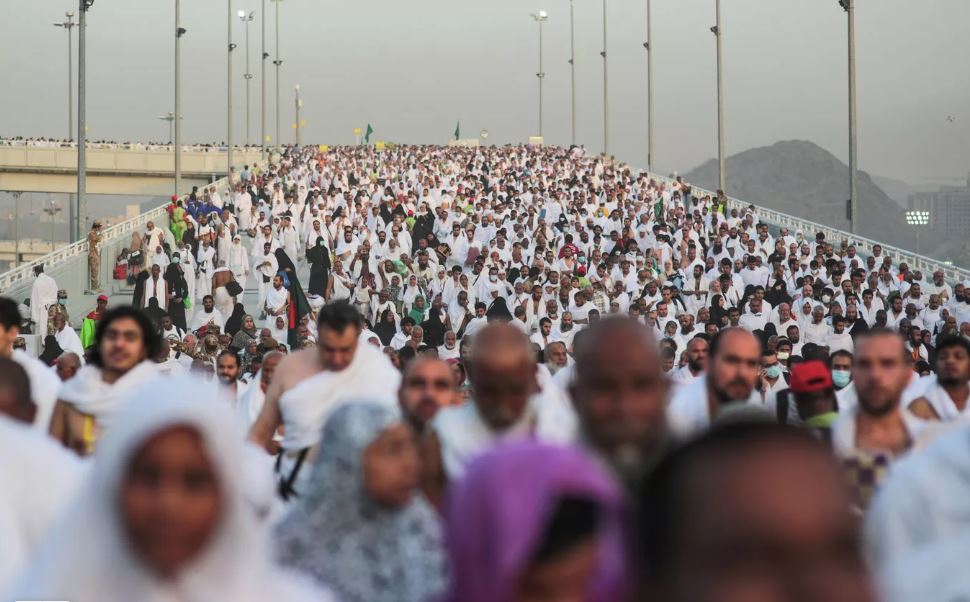
“Basir” is Saudi Arabia’s national artificial intelligence system, developed by the Data and Artificial Intelligence Authority (SDAIA) in collaboration with the country’s Ministry of Interior. The system analyzes images from cameras, predicts crowd formations, and tracks the flows of pilgrims. During Ramadan, “Basir” was already tested: when the Grand Mosque became overcrowded, the system automatically restricted entry.
Unmanned Aerial Vehicles
Two types of aerial vehicles are used during Hajj: small drones for identifying violators of Hajj rules and unmanned aircraft to prevent illegal access to sacred areas. All this is implemented under the slogan: “Hajj without permission is impossible.”
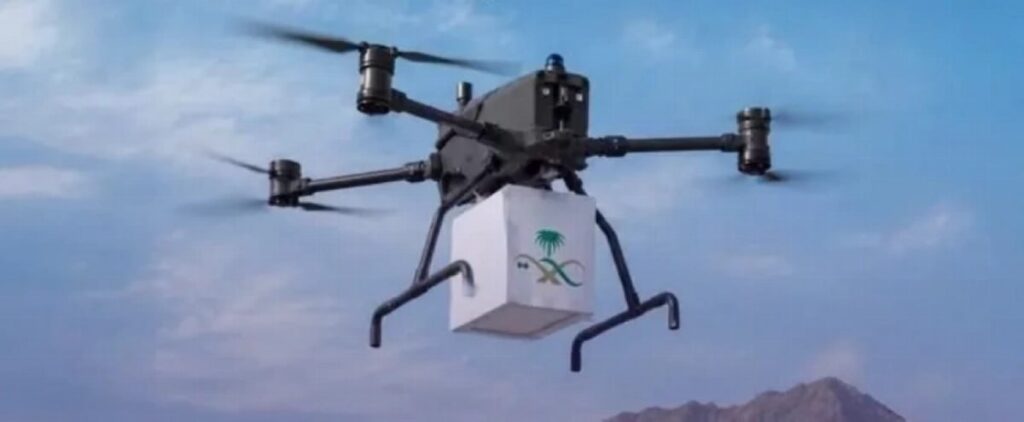
Drones allow operational teams to receive information in real time and respond quickly to incidents.
Additionally, Saudi Arabia’s civil defense utilizes special drones to detect chemical and radioactive substances.
Facial Recognition Technologies and Smart Glasses
The facial recognition system is used to identify individuals attempting to enter sacred places without official permission. It is connected to a unified security network in Mecca and operates at key checkpoints.
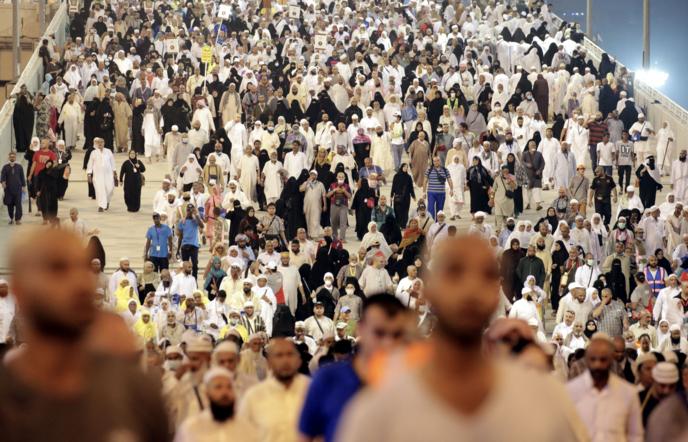
Security personnel are equipped with smart glasses that allow them to instantly see the permit and passport data of the pilgrim directly on the lenses of the device. This speeds up the verification process and makes control more efficient.
The “Nusuk” Application and Digital Services
The Nusuk application offers over 120 types of services, including digital Hajj permits, navigation, weather forecasts, emergency assistance, doctor calls, and the determination of the Qibla direction.
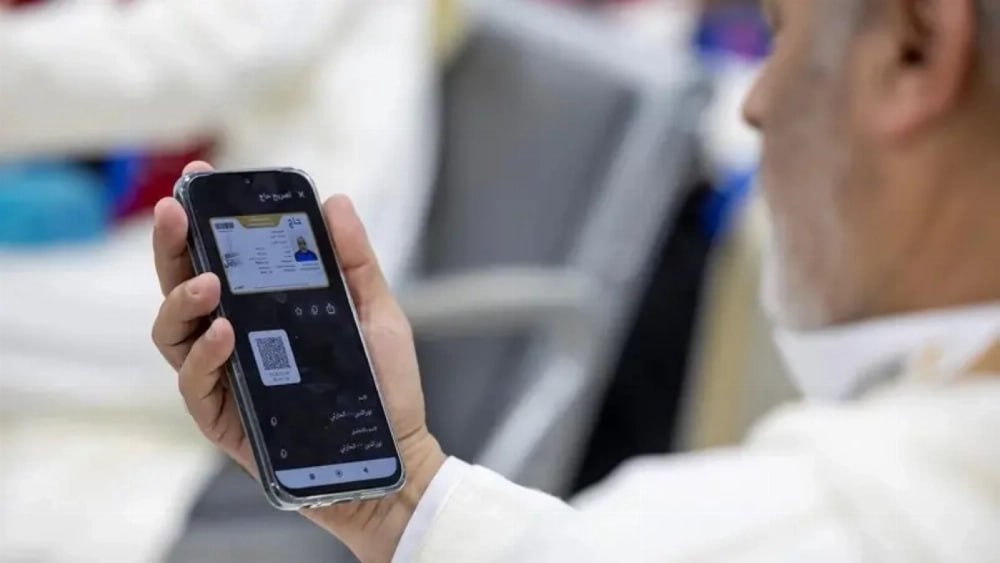
The “Nusuk card” stores the personal data of the pilgrim, medical information, and emergency contact details. The application is available in 126 countries worldwide.
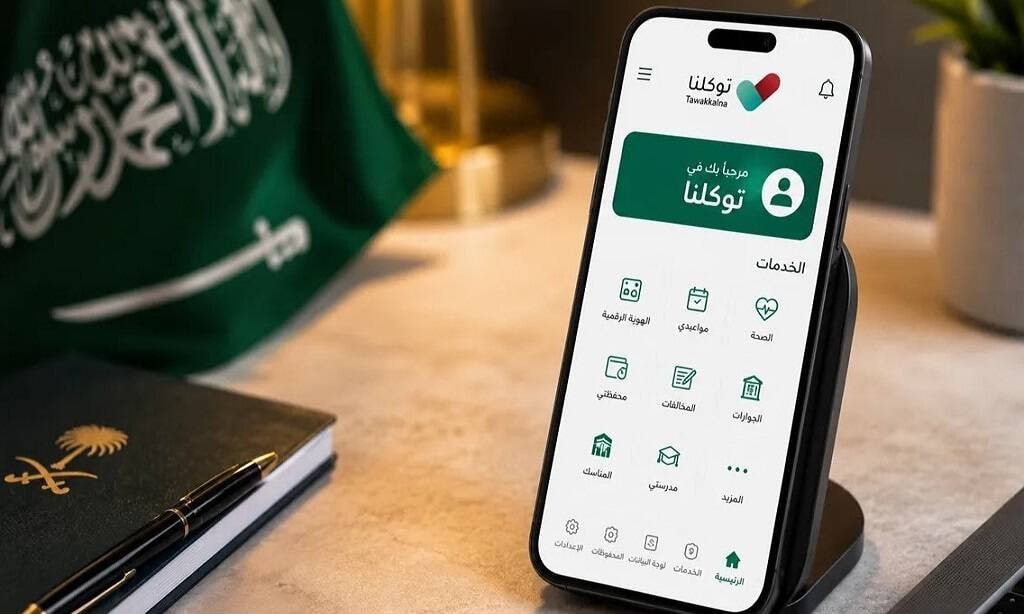
The Tawakkalna application is integrated with the Tasrih service and allows all Hajj permits to be stored on a smartphone. The Aasafny (“Save Me”) service provides the ability to call for medical or emergency assistance with one press of a button.
From 2026, the digital “Nusuk card” will be displayed directly in the application and can be used even without internet access.
Sensors and Smart Bracelets
For the first time, the Saudi Ministry of Hajj has implemented a system of sensors and intelligent scanners for the “Nusuk cards.” They enable the tracking of pilgrims’ movements in real time, controlling the flow of people, and predicting potential crowd formations.
Nusuk smart bracelets equipped with GPS and IoT monitor the vital signs of pilgrims — pulse, oxygen levels, and body temperature. In case of danger, the system automatically sends a signal to medical personnel.
Robots for Fatwas and Medical Assistance
The “Manarat al-Haramayn 2” robot assists foreign pilgrims and answers religious questions in more than 11 languages. It is equipped with a touchscreen and video communication with Islamic scholars for consultations on complex issues.
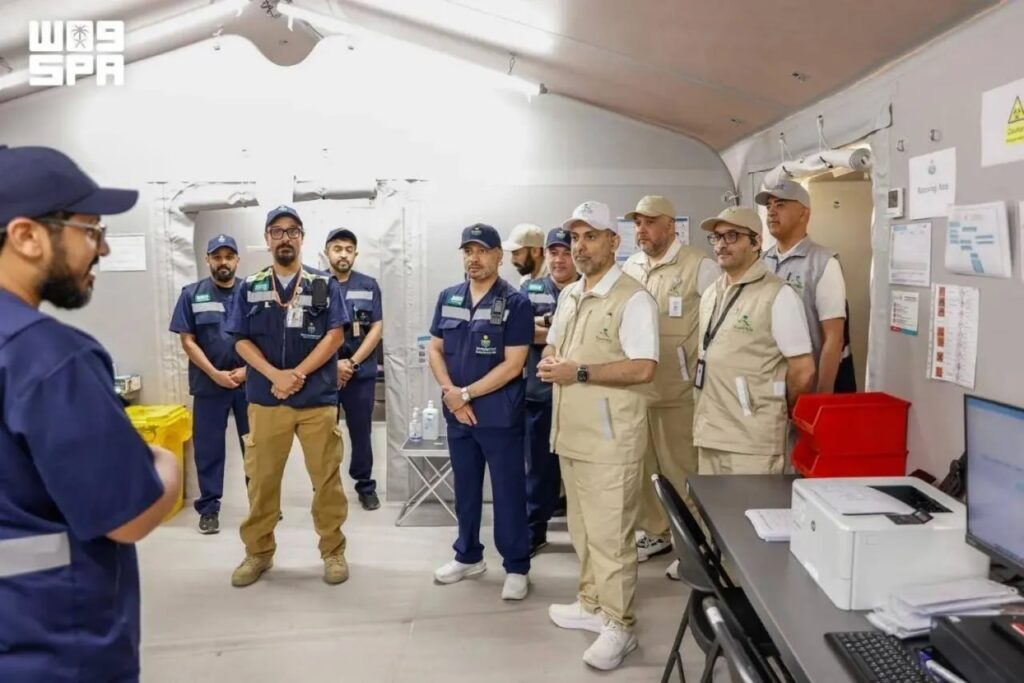
In hospitals in Mecca, medical robots based on 5G and natural language processing (NLP) technologies are at work. They register patients, communicate in various languages, and assist doctors in making faster decisions.
Smart Transport and Flow Management
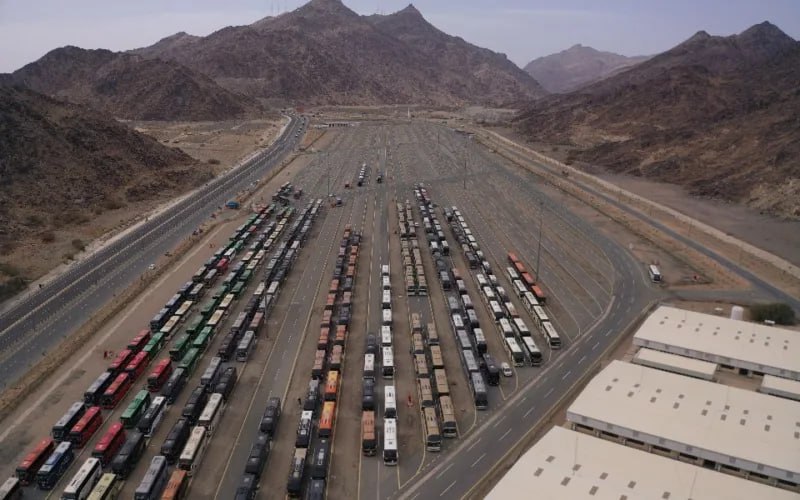
More than 20,000 “smart” buses are used to transport pilgrims. Artificial intelligence analyzes road conditions and automatically changes routes in case of traffic jams.
In the Grand Mosque, a system of color indicators and Smart Maps has been implemented. Additionally, 84 navigation boards have been installed to help pilgrims navigate the vast complex.
Unified Security Center
The main operational security center is located in Mecca. Here, specialists monitor the safety of pilgrims using digital maps, camera feeds, and AI analytics.
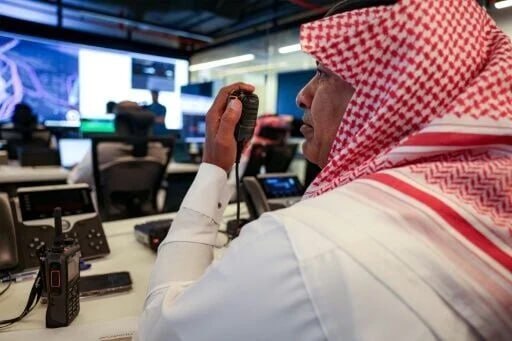
All systems — cameras, “Basir” and “Sawahir” applications, bracelets, drones, buses, and digital services — are integrated into a single intelligent network managed from the central security headquarters.