EAEU countries urge Armenia to hold a referendum on joining the European Union

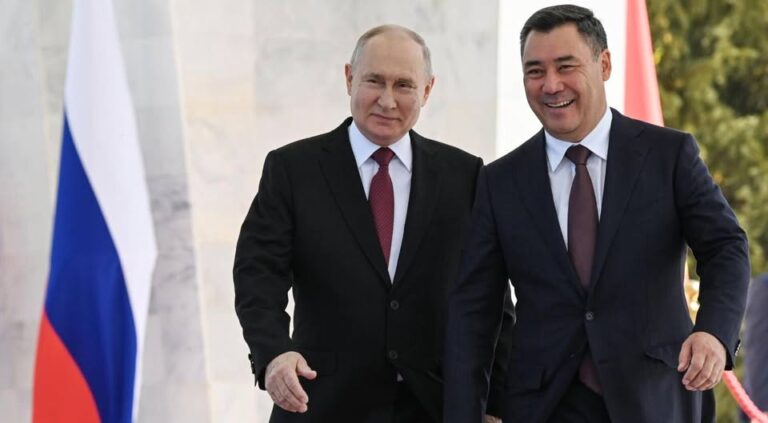
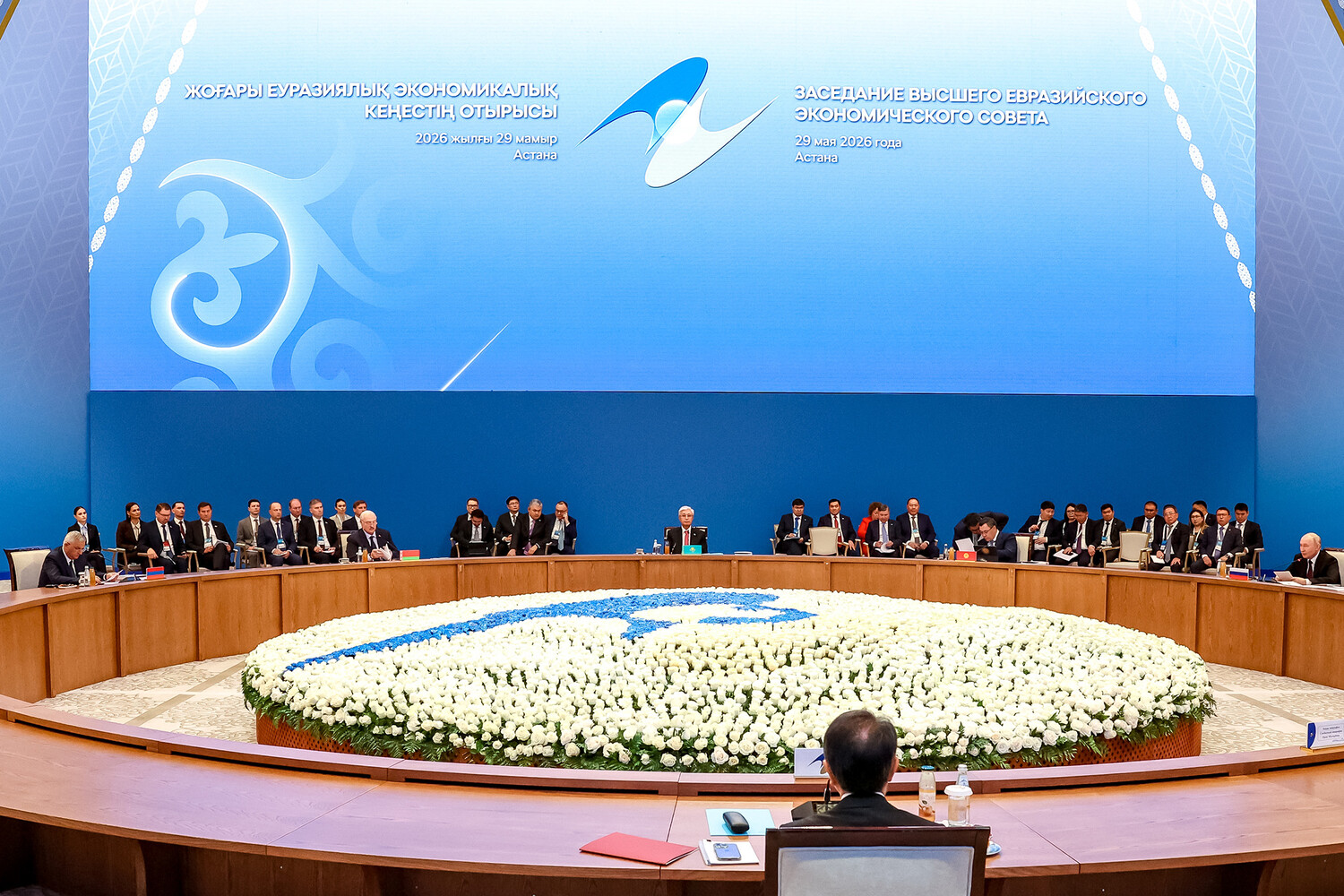
The presidents of Russia, Belarus, Kazakhstan, and Kyrgyzstan made a joint statement at the EAEU summit in Astana.

Asia+

The presidents of Russia, Belarus, Kazakhstan, and Kyrgyzstan issued a joint statement calling on Armenia to make a decision between closer ties with the European Union and continued participation in the EAEU.

The document, adopted at the EAEU summit in Astana on May 29 and published on the Kremlin’s website, states that the potential preparation for Armenia’s accession to the EU could create “serious risks to the economic security” of the Eurasian Economic Union.

The EAEU countries expect that by December a special report will be prepared on the possible consequences for Armenia in the event of its suspension from the Union.

Earlier, the Armenian parliament adopted a law to initiate the process of the country’s accession to the European Union. Armenian Prime Minister Nikol Pashinyan stated at that time that the document on starting euro-integration “does not mean Armenia’s membership in the European Union in the direct sense of the word,” emphasizing that a decision on this matter could only be made through a referendum, RBC reminds.

Pashinyan has repeatedly emphasized that the question of Armenia’s exit from the EAEU is not being considered. According to him, Yerevan does not intend to harm relations with Moscow, but will not place Russian interests above national ones.

Russian President Vladimir Putin, in turn, urged Yerevan to decide between the two integration associations, noting that in the case of a course towards the EU, a “soft and intelligent divorce” is possible. The Kremlin believes that as Armenia moves closer to the EU, it may face contradictions between European norms and the rules of the EAEU.

The Russian side also warned of a possible suspension or denunciation of the agreement on the supply of natural gas and petroleum products to Armenia in the event of a continued course towards EU accession. Against this backdrop, restrictions were imposed on the supply of a number of goods from Armenia, including agricultural products, flowers, and alcohol.

Join us on social media!

Article translations:

Related Article

Оби зулол
Оби зулол
Tenisi

Most Read

Коммерсбонк Точикистон

Recent Articles

By 2050, Tajikistan’s population expected to reach 14.5 Million: what lies ahead?

Tajikistan's population is growing rapidly, while productivity in key sectors such as industry, construction, and agriculture is not keeping pace.  Meanwhile, arable land per...

RZD announces the restoration of passenger services between Moscow and Dushanbe

Direct rail services between the capitals of Russia and Tajikistan were suspended in March 2020 due to the COVID-19 pandemic.

#AP30/Stories. “Selam! Heller nichek?” How Tatars live today in Sughd province

On the 30th anniversary of "Asia-Plus," we continue to publish reports that remain relevant even after years. This story was told in 2021, and since then, little has changed in the life of the Tatar community in Tajikistan.

15,000 cameras, drones, and robots: how technology monitors pilgrims in Mecca and Medina

During Hajj 2026, Mecca and Medina were under unprecedented digital control.

Another child in Dushanbe removed from family and sent to boarding school

The Ministry of Internal Affairs reports that the parents did not pay adequate attention to the child.

Emomali Rahmon instructs to address issues in seed production following criticism of the industry

Issues have been noted with certification, seed quality, and the material and technical base of the industry.

Water, climate, and a $130 billion deficit: seven key outcomes of the Water Conference in Dushanbe

At the forum, countries and international organizations discussed new mechanisms for cooperation, investments, and technologies that are essential for addressing the global water crisis.

Eskhata Bank introduces a new generation children’s wallet

"Eshkata Bank" has created a full-fledged digital platform that helps children aged 7 to 16 learn how to manage money.