President of Kyrgyzstan Sadyr Japarov proposed that Central Asian countries return to a system of mutual compensation in the water-energy sector, emphasizing the need for a balance of interests, infrastructure modernization, and strengthening regional cooperation.
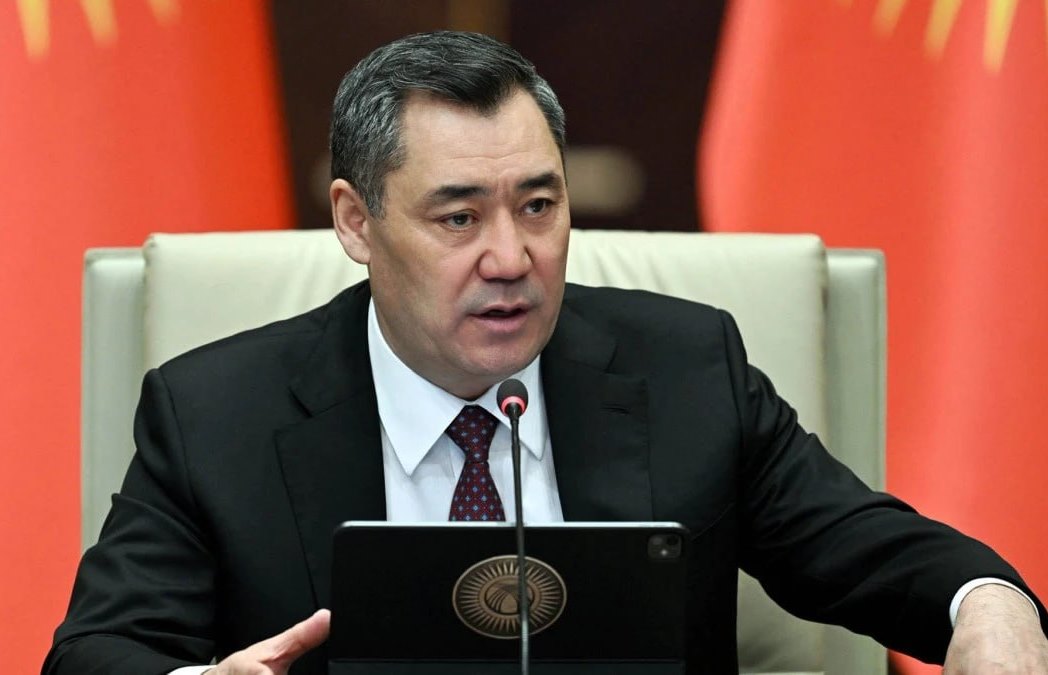
President of Kyrgyzstan Sadyr Japarov spoke at the Regional Ecological Summit 2026 (RES 2026) in Kazakhstan’s capital, Astana, where he outlined the key challenges in the field of water resources and energy.
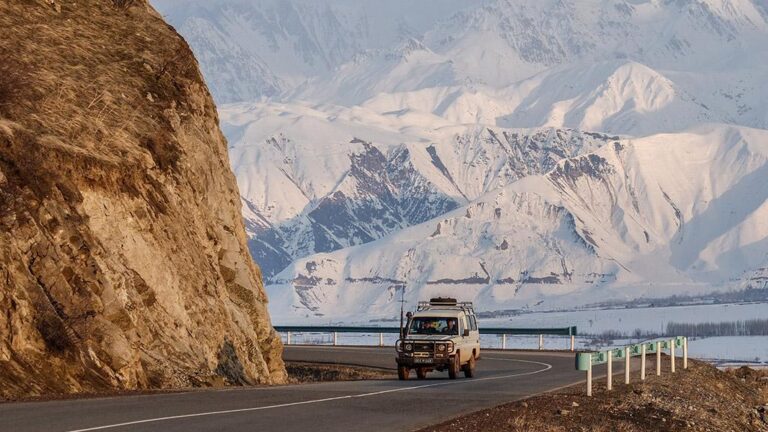
Japarov reportedly emphasized that in recent years, the number of emergencies in Kyrgyzstan has significantly increased — landslides and floods have become three times more frequent, and the annual damage amounts to about 16 million dollars. In addition, the area of glaciers has decreased by 16%, and by the end of the century, the country could lose up to 80% of its glaciers.
According to him, Kyrgyzstan plays an important role in providing water to the region: approximately 50 billion cubic meters of water resources are formed annually, of which only about 12 billion cubic meters are used within the country. In this regard, Japarov proposed to revise approaches to cooperation and return to a system of mutual compensation in the water-energy sector.
“We propose to resume the implementation of a mutually beneficial economic compensation mechanism in the water-energy sector on modern terms. It is necessary to find a balance of interests and develop mutually acceptable solutions based on a comprehensive approach,” Japarov stated.
He also noted the need for infrastructure updates and the introduction of modern technologies.
“I consider it particularly important to modernize water management facilities and infrastructure, widely implement water-saving and resource-saving technologies, and also strengthen joint actions with our neighbors and international partners,” the President of Kyrgyzstan emphasized.
Japarov paid special attention to energy projects. In particular, Kyrgyzstan plans to build the Kambar-Ata HPP-1 with a capacity of 1880 MW together with Kazakhstan and Uzbekistan, which is of strategic importance for the entire region.
He expressed confidence that the outcomes of the summit will help develop practical solutions and strengthen cooperation in the fields of ecology, water, and energy.
The RES 2026 was held in Astana from April 22 to 24 with the participation of Central Asian countries, international organizations, and experts.