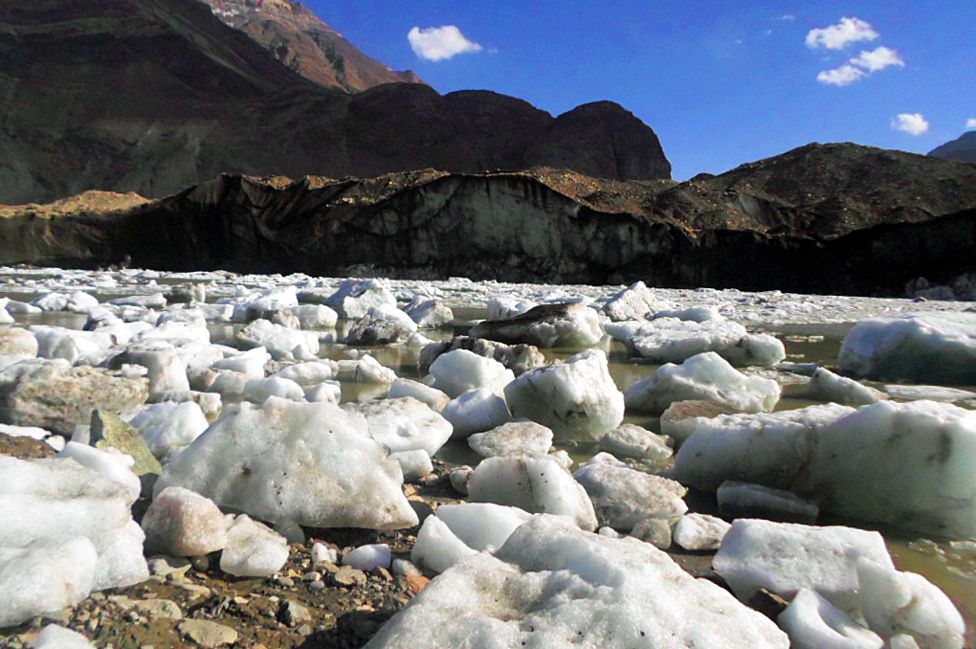
The idea of creating a carbon market in Tajikistan is becoming relevant in the face of global climate challenges and the need to adapt to climate change. The country is facing a number of environmental and economic issues, such as glacier melting and water resource scarcity.
The implementation of a carbon market could become one of the tools for attracting international investments and developing sustainable environmental projects, such as renewable energy and ecotourism.
But what needs to be done for this?
Carbon market: reality for Tajikistan
Attracting investments through carbon markets will open opportunities for participation in international initiatives such as the UN Green Energy Program or the Asian Development Bank project. International organizations actively support Tajikistan, which can increase investor confidence and contribute to the successful implementation of the carbon market.
However, the creation of a carbon market in Tajikistan is associated with a number of risks and challenges. The economic situation in the country requires significant financial resources for the implementation of climate projects, which may amount to up to $96 billion.
According to the Tajikistan Climate and Development Country Report, to implement an ambitious green economy development scenario, $34 billion must be invested in 2025-2030 and an additional $45 billion in 2031-2050.
These figures cast doubt on the country’s ability to cover expenses independently, making the creation of a carbon market dependent on external assistance.
Moreover, the functioning of the carbon market requires the development of infrastructure and a legislative framework, including a carbon credit certification system, which is currently absent in Tajikistan.
There is also a need to consider the criticism of environmentalists, who express concerns about the impact of large hydropower plants on the environment.
Experts believe that specific steps are needed to create a carbon market in Tajikistan.
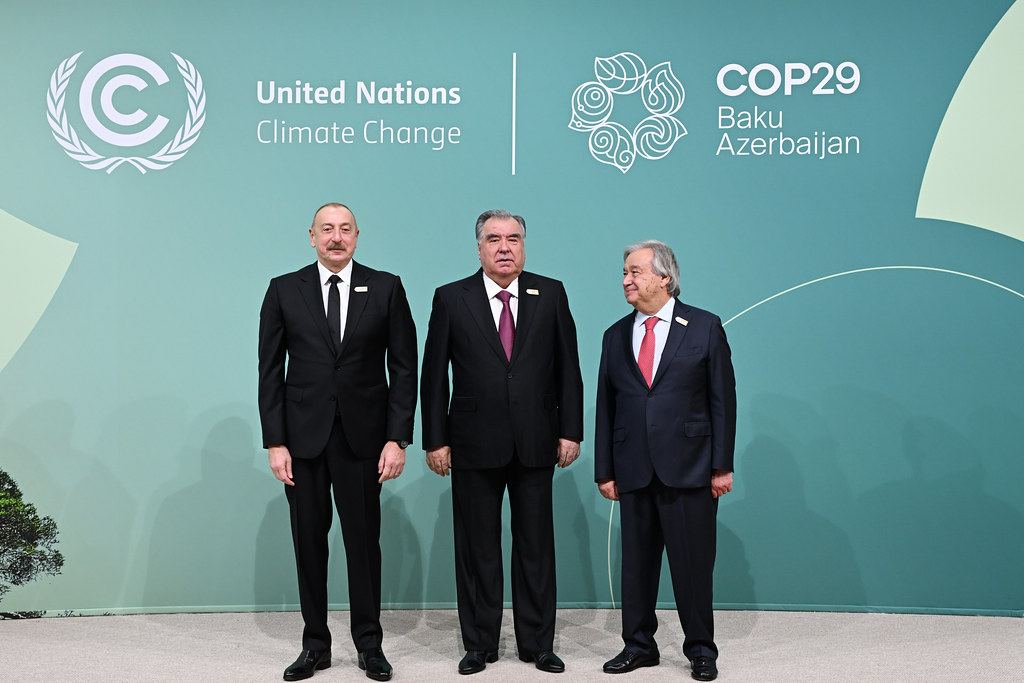
During the COP-29 climate conference held in Baku in 2024, Tajikistan’s Minister of Energy and Water Resources, Daler Juma, emphasized that the volume of climate financing for supporting developing countries should be increased at least fourfold. He noted that despite the correctness of the decision to increase financial aid to $300 billion by 2035, this is not enough.
“We believe that for the effective and equitable adoption of adaptation and mitigation measures in the countries that have it hardest, the amount of $300 billion a year is still insufficient. Moreover, the lack of progress on the loss and damage compensation mechanism and the blocking of the decision on the ‘transition from fossil fuels’ by a number of oil and gas countries disappointed us,” – noted Ikrom Mammadov, head of the Youth Group for Environmental Protection.
Vadim Ni, head of the Socio-Ecological Fund of Kazakhstan, in a comment for Asia-Plus, noted that for the creation of a carbon market in Tajikistan, it is necessary to establish quotas at the level of large enterprises. However, the presence of large entities is needed for this.
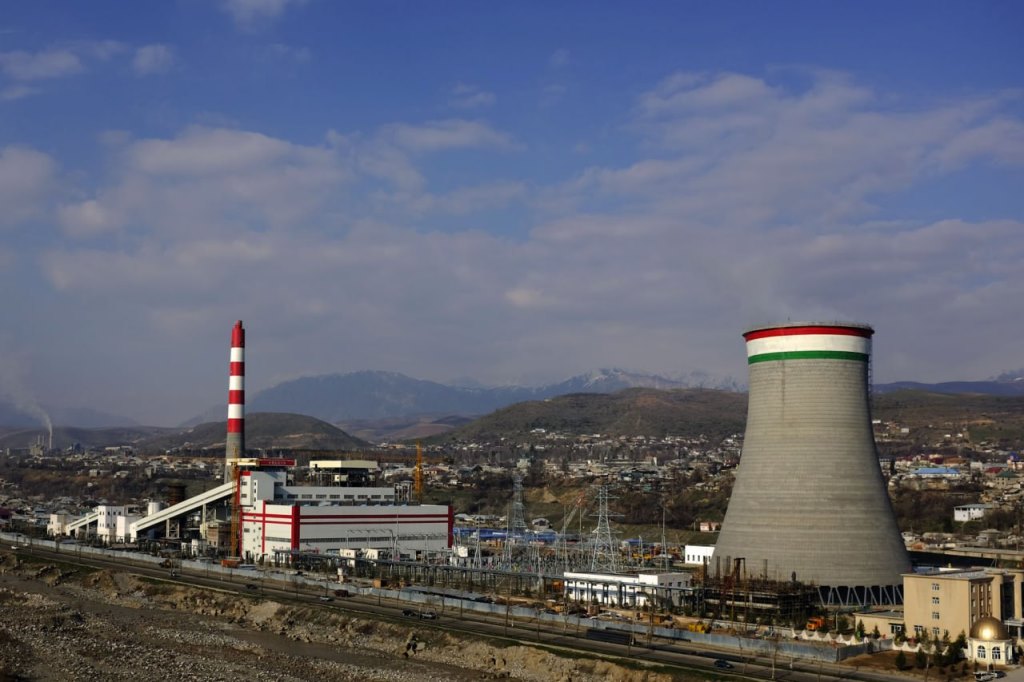
Currently, enterprises such as TALCO, Dushanbe CHPP-1 and CHPP-2, and several others could be allocated quotas for greenhouse gas emissions. But according to Ni, this number of enterprises is “insufficient for the formation of a full-fledged carbon market.”

Muazama Burhanova, Director of the Dastgiri-Center Fund, which supports the development of the civil sector through the implementation of environmental initiatives, argues that carbon credits can effectively regulate emissions and contribute to economically beneficial climate change mitigation.
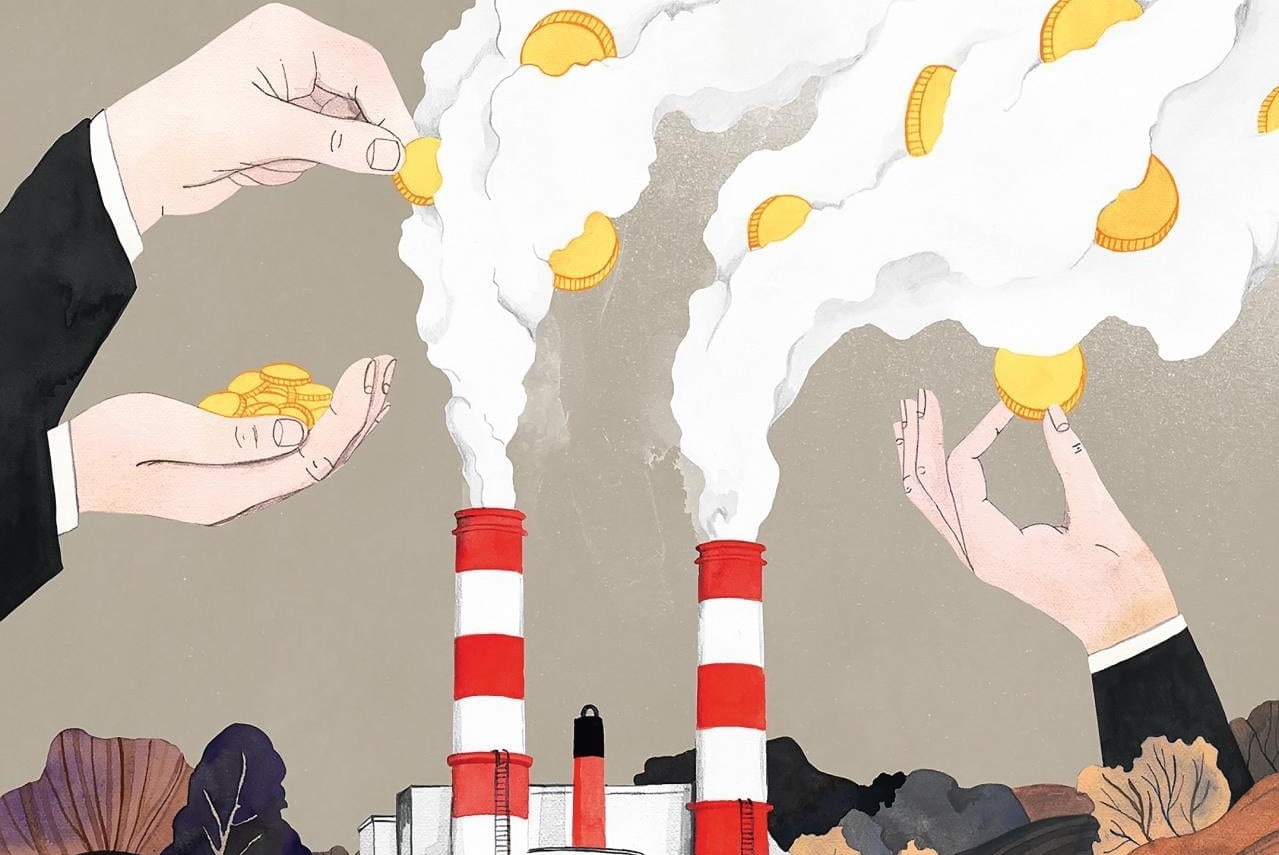
Carbon credits are quotas for the allowable amount of emissions into the environment, equivalent to one ton of carbon dioxide. Each state entity receives a certain quota for emissions, which is then distributed among companies.
Carbon markets allow governments and other non-state entities (enterprises) to trade these quotas, helping to achieve climate goals using cost-effective methods.
However, Tajikistan currently lacks a system for monitoring, reporting, and verifying CO₂ emissions control. At present, enterprises without CO₂ emission norms can account for voluntary carbon footprints using ISO 14064 standards and participate in international programs for selling carbon credits from hydropower plants through the Gold Standard.

It is possible that the first laws on CO₂ regulation will be adopted in Tajikistan in 2025-2026 (IMF and WB).
The sale of carbon credits is possible for the Rogun HPP, although the HPP formally has no CO₂ limits, it can be certified by VCS and sell credits.
“It is also possible to sell carbon credits by the ‘Huaxin’ cement plant through voluntary emission reductions by modernizing production and by other large industrial enterprises, such as the Dushanbe CHPP, which plans modernization and a transition to natural gas,” – says Burhanova.
In addition, she says, forest projects can make a significant contribution to Tajikistan’s carbon market. “According to scientific research, one tree can offset from 21.77 to 31.5 kg of CO₂ per year. To offset 1 ton of CO₂, 31 to 46 trees are required,” notes the specialist.
Opportunities and risks of the carbon market
The creation of a carbon market in Tajikistan could be an important step towards sustainable development, but the process is fraught with risks.
But first, the advantages. One of them is attracting international investments for implementing environmentally friendly projects, such as the development of renewable energy sources. This will open new financial opportunities for the country, which can be used to enhance energy security and adapt to climate change.
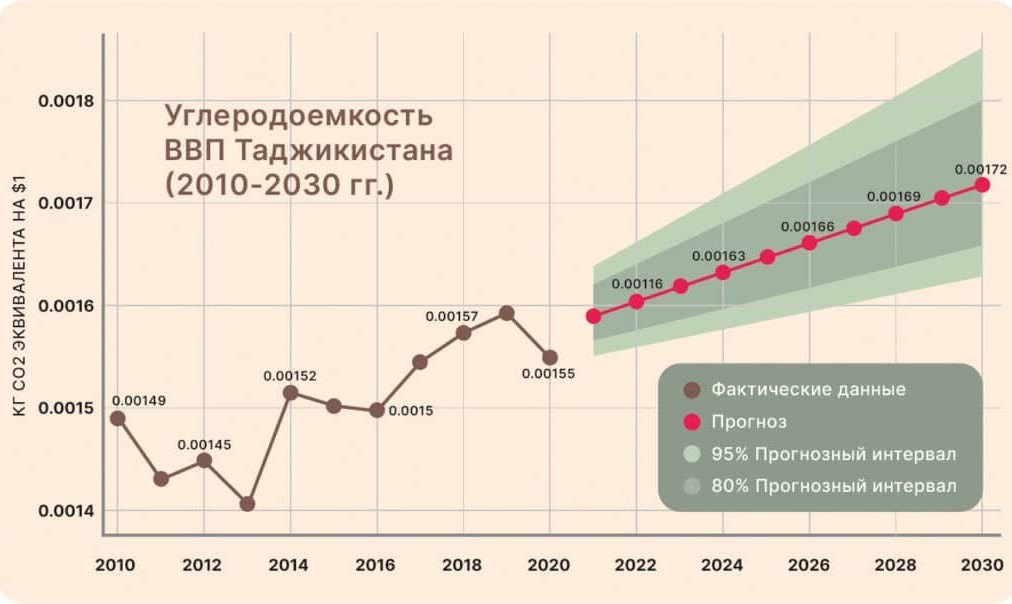
Participation in international carbon trading will also allow Tajikistan to become part of the global climate system of CO2 emissions compensation, which, in turn, can stimulate economic growth.
Tajikistan has significant potential in renewable energy, especially hydropower, and using this resource to obtain carbon credits opens additional prospects. It is important to note that such projects can contribute to diversifying the energy market, making the country less dependent on carbon sources.
The director of the Energy Saving Fund, Astkhine Pasoyan, previously shared her opinion on the risks and opportunities of creating a carbon market in Tajikistan with “Asia-Plus”:
“The main risks of creating a carbon market in Tajikistan are the lack of technical specialists, the absence of necessary financial instruments, and the low level of business awareness. However, the opportunities of this market are related to attracting international investments, improving the environmental situation, and creating new jobs through the implementation of ‘green’ technologies.
It is important to understand that for the successful creation of a carbon market, not only legislative regulation is necessary, but also raising awareness among local entrepreneurs and specialists, as well as the presence of appropriate technical solutions and financial conditions.
One of the risks is the lack of sufficient infrastructure for monitoring and verifying carbon dioxide emissions. For the carbon market to function effectively, an emissions accounting system must be created, and standards for carbon credits must be implemented.
Vadim Ni, head of the “Social-Ecological Fund” of Kazakhstan, adds: “The absence of effective solutions for reducing emissions and implementing carbon pricing will complicate the fight against climate change in Tajikistan.”
Expert Muazama Burhanova points out that the continued use of coal as the main energy source can lead to serious environmental consequences, including air pollution and health threats. She emphasizes:
“Burning coal at thermal power plants releases volatile compounds and toxic substances such as mercury, arsenic, and lead, which can cause organ damage and malignant tumors.”
Additionally, the creation of a carbon market may face economic challenges related to possible additional expenses for emission reductions, which, in the context of increasing energy consumption, may have a negative impact on the country’s economy.
Lessons from carbon markets in other countries
Tajikistan can use the experience of countries with similar economic conditions to address climate change issues and create a carbon market. Particularly useful are the practices of Kazakhstan, Kyrgyzstan, and Uzbekistan. These countries face similar challenges and are actively implementing sustainable solutions in energy and climate change adaptation.
Kazakhstan invests in renewable energy sources, such as solar and wind energy, which can serve as an example for Tajikistan in developing a legislative framework to support green projects and attract private investments.
Kyrgyzstan focuses on sustainable agriculture, developing water supply and farming technologies, which can also be useful for Tajikistan.
Uzbekistan is developing ecotourism and green economy projects, which can serve as an example for Tajikistan in the sustainable use of natural resources and job creation.
As expert Vadim Ni noted, for the effective functioning of the carbon market, Tajikistan needs to regularly monitor and publish emissions data, which is not currently happening.
“Tajikistan needs to focus on the experience of countries where carbon market development has occurred in recent years, such as Vietnam and Indonesia,” he noted.
Vietnam is developing a carbon taxation system and participating in international carbon markets, allowing it to regulate emissions and reduce pollution while growing economically.
Indonesia focuses on forest projects, which is an important direction for Tajikistan, given the potential of this sector.
…Creating a carbon market in Tajikistan could be an important milestone in transitioning to sustainable development and attracting international investments. However, the country will face significant challenges—from lack of infrastructure and specialists to the absence of regulatory frameworks and emission monitoring systems.
As experts note, success depends on a clear government strategy, the development of quotas for large enterprises, and cooperation with international partners. Without these steps, the carbon market in Tajikistan risks remaining an unrealized opportunity.