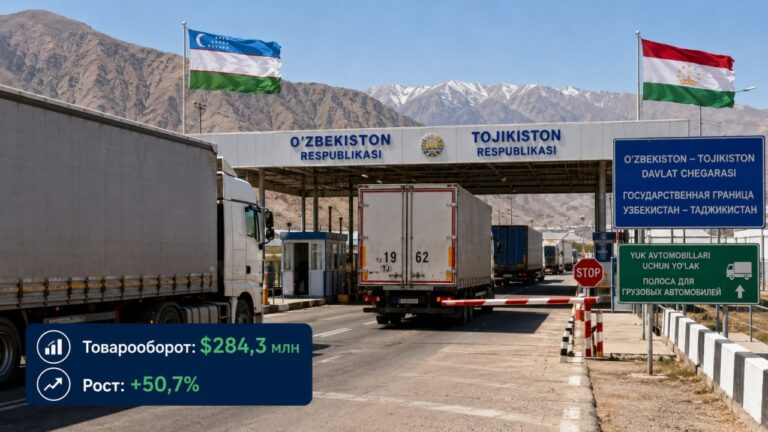
Tajikistan is continuing to modernize the Fotehobod border crossing point (BCP) on its border with Uzbekistan, introducing new infrastructure and digital customs technologies aimed at facilitating trade and improving border procedures.
The latest upgrades include the commissioning of a new customs inspection hangar, the installation of modern X-ray scanning equipment, and discussions between Tajik and Uzbek customs officials on expanding cooperation and increasing the efficiency of border operations.
New inspection hangar and digital technologies
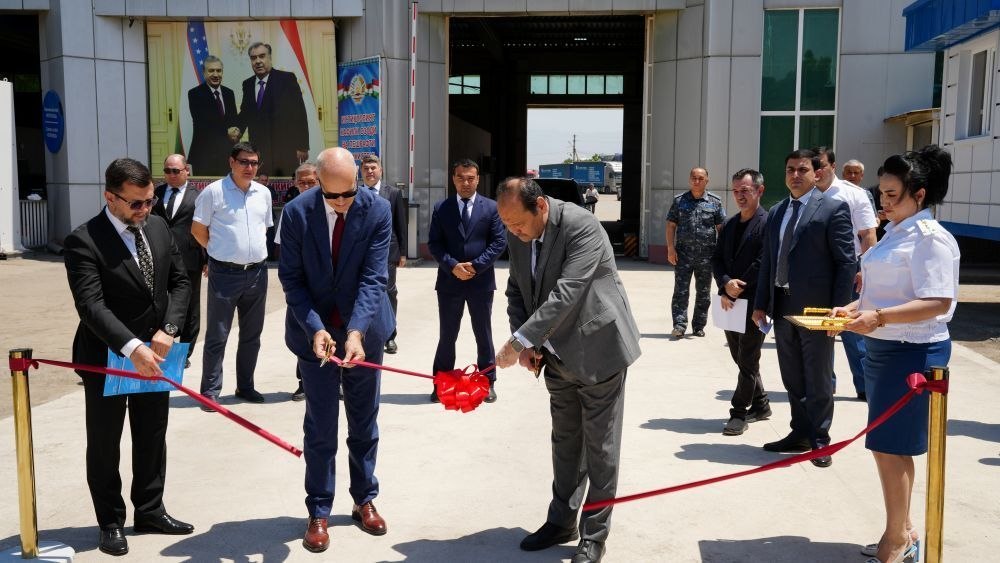
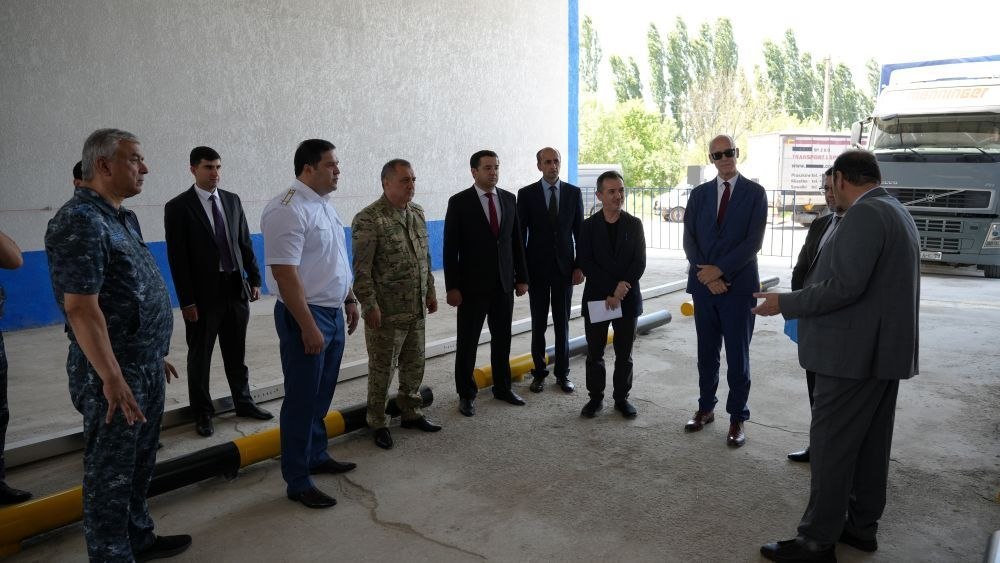
A new customs control hangar has been put into operation at the Fotehobod BCP as part of cooperation between the Customs Service under the Government of Tajikistan and the Regional Office of the United Nations Office on Drugs and Crime (UNODC) under the Global Programme on Passenger and Cargo Control.
The opening ceremony was attended by First Deputy Head of the Customs Service Azim Tursunzoda, UNODC Regional Representative for Afghanistan, Central Asia, Iran and Pakistan Oliver Stölpe, representatives of international organizations, and customs officials.
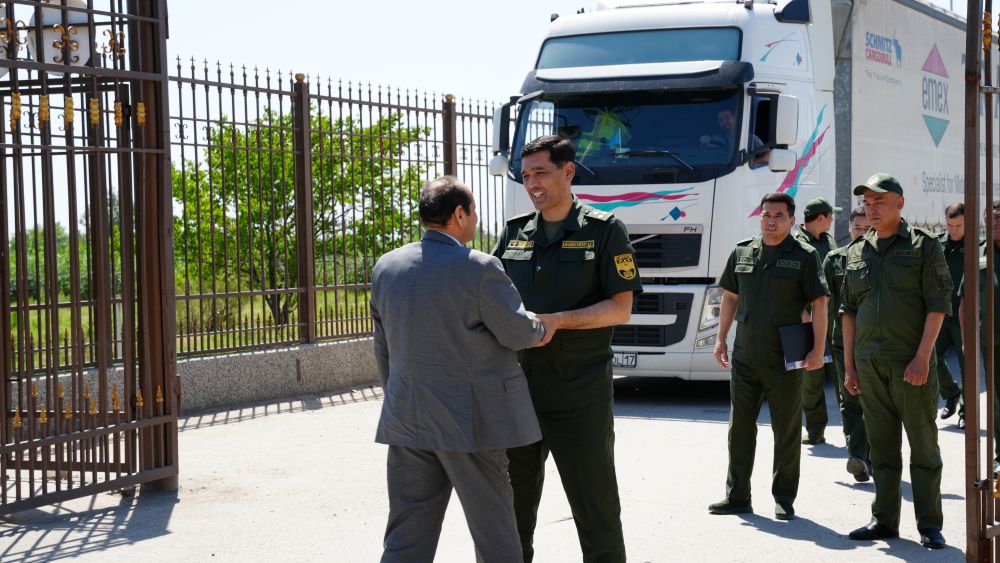
The participants were briefed on the role of the checkpoint in facilitating legal trade while preventing the illegal movement of goods, narcotics, and other prohibited items across the state border.
According to customs officials, the new facility will improve cargo inspection procedures, enhance working conditions for personnel, and strengthen the operational capacity of one of Tajikistan’s busiest border crossings.
In addition, modern X-ray equipment for inspecting vehicles and cargo has been installed at the checkpoint. The equipment was purchased using state budget funds with support from the Agency for Innovations and Digital Technologies under the President of Tajikistan.
Officials said the introduction of new digital management systems and scanning technologies is expected to accelerate customs clearance, improve inspection quality, and strengthen economic security.
Tajik-Uzbek customs cooperation
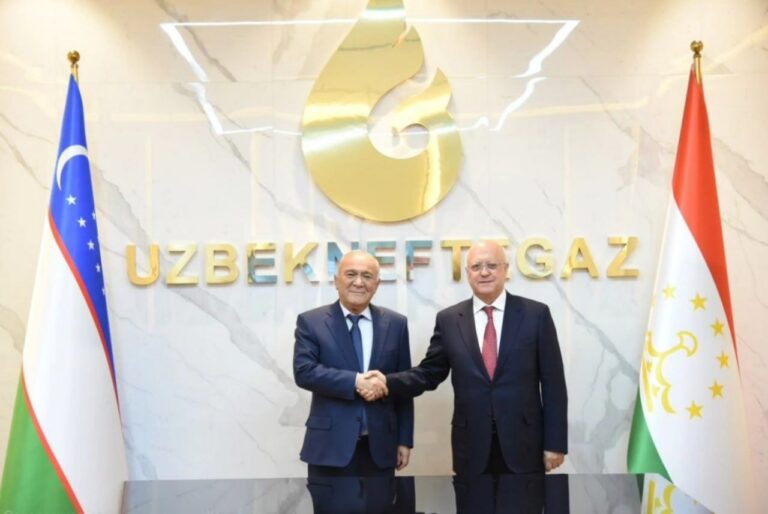
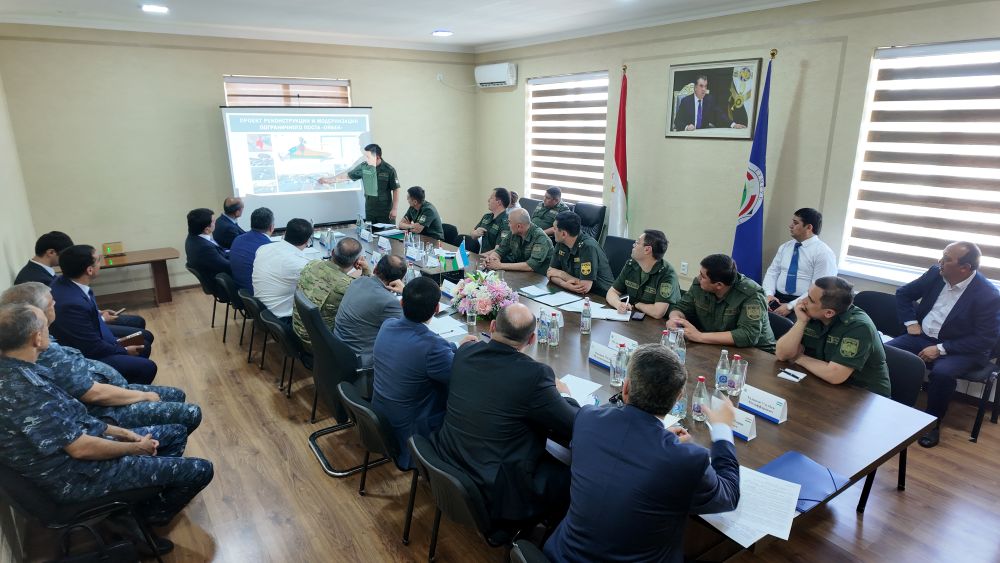
On May 29, representatives of the customs authorities of Tajikistan and Uzbekistan held a working-group meeting at the Fotehobod–Oybek border crossing.
The meeting was chaired by Azim Tursunzoda and attended by senior officials from the Customs Service of Tajikistan, representatives of the state-owned Single Window Center, and a delegation from Uzbekistan’s customs authorities.
The discussions focused on expanding the checkpoint’s capacity, simplifying border-crossing procedures, and exchanging experience in the digitalization of customs administration.
Participants also reviewed challenges encountered during customs and border control procedures and discussed mechanisms for resolving them more efficiently.
Particular attention was given to the possibility of introducing joint customs control based on the “one-stop” principle, which would allow border procedures to be completed more quickly and with fewer formalities.
The two sides also discussed accelerating the approval of technical documents related to electronic systems used to certify the origin of goods.
At the conclusion of the meeting, both parties reaffirmed their commitment to strengthening cooperation, improving coordination between customs authorities, and introducing modern approaches to border management.
Officials noted that such measures are expected to facilitate trade, improve conditions for businesses engaged in foreign economic activity, increase cargo throughput, and further strengthen economic ties between Tajikistan and Uzbekistan.